 EN
EN

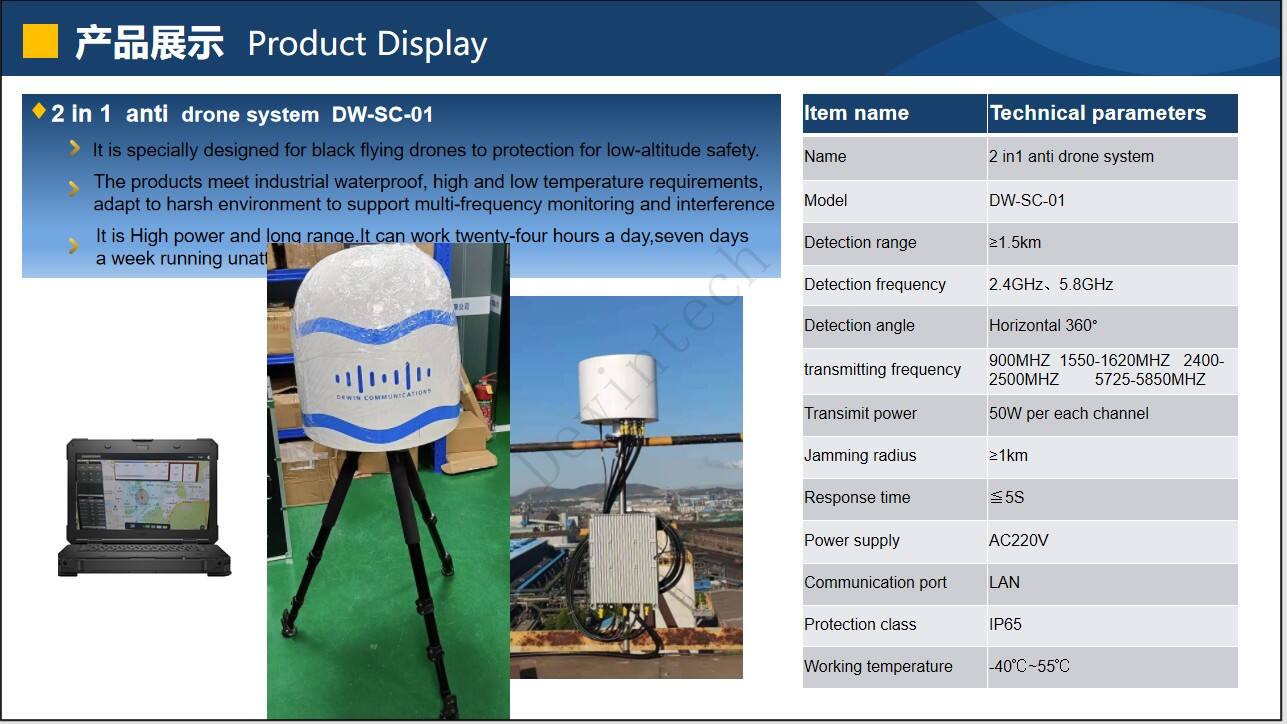
Why FPV UAVs Challenge Conventional Drone Detectors
Most standard drone detection systems have trouble spotting First Person View (FPV) UAVs because they operate so differently than other aircraft. These little machines zip around just above the ground, usually staying under 50 meters high where all sorts of things get in the way of radar signals from trees, buildings, and other urban stuff. What makes them even harder to catch is that operators don't use regular GPS systems or communication modules which most detectors look for. FPV drones tend to dart around like crazy, speeding up from zero to 100 km/h in less than two seconds and making sudden turns that look almost bird-like or blend into background noise. The radio frequency detectors often can't keep up when pilots switch frequencies rapidly, and cameras aren't much help either since they struggle at night or when something blocks the view. All these factors together mean there are big blind spots in current detection methods. Studies show that existing tech misses roughly 70% of FPV drones in complicated settings like cities or industrial areas.
How Advanced Drone Detectors Improve FPV Identification Accuracy
Multimodal Sensing: Fusing Visual, Thermal, and RF Data for Robust Detection
Modern drone detection systems get around the problems of relying on just one type of sensor by combining regular cameras, thermal imaging tech, and radio frequency scanning all in one package. During the day, normal cameras take detailed pictures so they can recognize shapes and sizes. Thermal cameras pick up the heat coming off drone motors and batteries, which matters because almost three quarters of unauthorized drone flights happen when visibility is poor, per the latest DHS report from last year. At the same time, these systems scan for radio signals specific to first person view setups, helping security folks figure out where operators might be hiding. Putting all these different sensing methods together means the system has multiple ways to spot drones at once, cutting down missed detections by nearly half compared to older single sensor approaches. Even when something blocks the line of sight, like when a drone flies behind a building, the system still keeps track by matching leftover radio signals with thermal readings it picked up earlier.
AI-Powered Classification: Deep Learning Models Trained on FPV-Specific Flight Dynamics
ML algorithms boost how accurately we spot FPVs by looking at their unique movement patterns. Commercial drones just don't move like this stuff does. FPVs can hit 60 mph in less than 1.5 seconds flat out, pull off those crazy vertical loops, and weave around obstacles below 15 meters high. These behaviors are all logged in standard threat databases across the industry now. The tech behind this? Convolutional neural networks crunching live sensor data with something called AttnYOLO architecture. Basically, they focus more on strange movements by weighing different parts of the image differently. Training these models takes a lot of data though. We've used sets with over 20 thousand different flying situations, and the results speak for themselves: about 98.8% accurate spotting when skies are clear, dropping only to around 96.2% even when signals get messy or parts of the drone go unseen. What makes this system really stand out is how it keeps getting better on its own through something called federated learning. No need to manually adjust settings every time FPVs change their tricks. This whole approach turns regular drone detectors into active threat assessors instead of just sitting there watching.
Real-World Operational Limits of FPV-Capable Drone Detectors
Environmental and Edge Constraints: Low-Light, Occlusion, and Real-Time Latency Trade-offs
Advanced FPV capable detectors still struggle with major operational limits when deployed in unpredictable settings. The optical sensors we rely on for visual confirmation simply don't work well in dim lighting situations or when something blocks the line of sight. Thermal imaging helps at night but can't see through solid objects completely covering the target drone. RF detection gets messed up by all the signals bouncing around in cities, and radar just doesn't pick up small drones weighing less than 250 grams. There's also the issue with real time processing. While fancy AI systems cut down response times to about 2-5 seconds, they require powerful edge computing hardware that's not really feasible for portable or battery operated equipment most of the time. All these interconnected problems are why none of today's drone detectors hit that perfect 100% FPV identification mark in actual field operations. That's why smart security folks know they need multiple layers of protection that adapt to different situations instead of putting all their eggs in one technological basket.
Frequently Asked Questions
Why are FPV UAVs difficult to detect?
FPV UAVs are challenging to detect because they operate at low altitudes, have quick and erratic movements, and often don't use conventional GPS or communication systems.
How do advanced drone detectors improve accuracy?
Advanced drone detectors use a combination of visual, thermal, and radio frequency sensors along with AI-powered classification to enhance detection accuracy.
What are the limitations of current FPV-capable drone detectors?
Current FPV-capable detectors face challenges such as low-light conditions, occlusion, RF interference, and the need for powerful real-time processing hardware.