 EN
EN

Environmental Challenges in Mining: How Extreme Conditions Affect Anti-UAV Systems
Impact of Extreme Temperatures on Mining Operations and Anti-UAV System Reliability
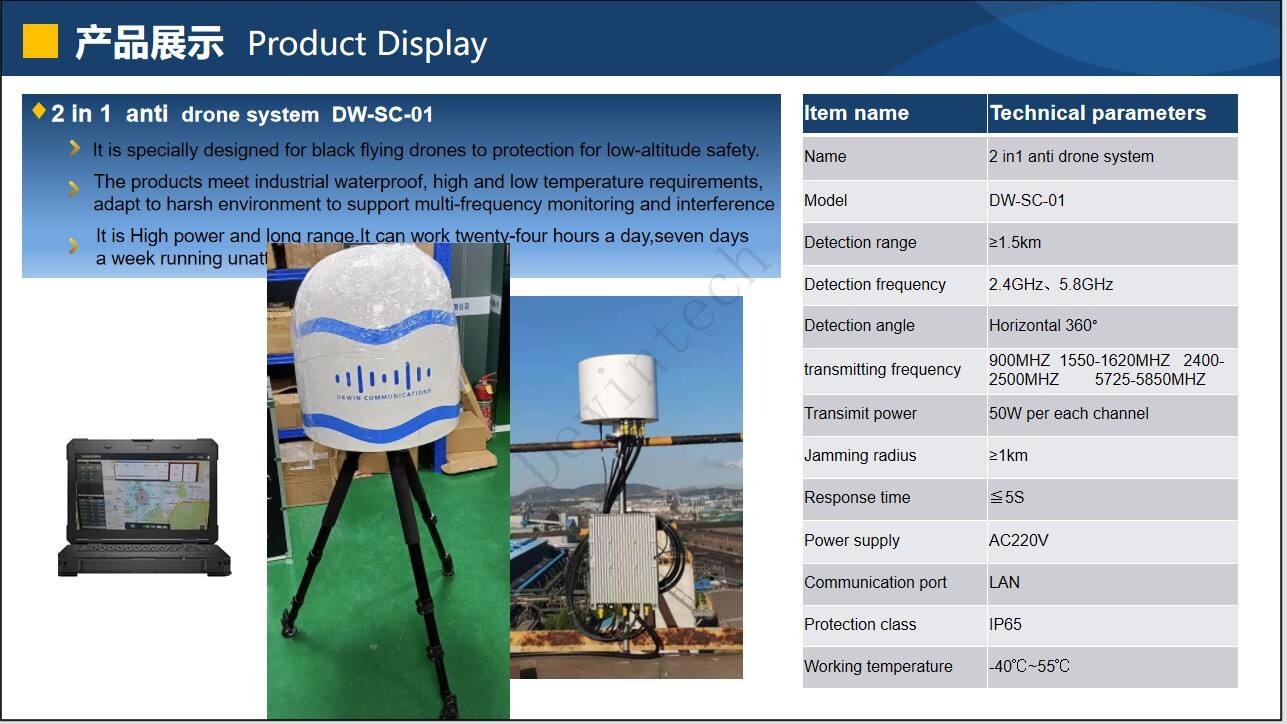
The temperature swings at mining locations can be brutal, ranging all the way from freezing cold at minus 40 degrees Celsius in Arctic areas to scorching hot plus 55 degrees in desert mining zones. This creates real headaches for both regular equipment and those fancy anti-drone systems. According to research published last year looking at twelve big mines across different climates, problems caused by extreme temperatures lead to productivity drops between 5 and 15 percent each year. The report also noted that anti-UAV systems need about 30% extra maintenance work when exposed to such harsh conditions. Lithium ion batteries are particularly sensitive too, losing nearly half their power capacity when temps dip below minus 30. Thermal imaging sensors don't fare much better either, breaking down almost 2.5 times quicker when subjected to continuous heat above 50 degrees Celsius according to findings in the Weather Extremes Report released in 2025.
Thermal Stress and Its Effect on Electronic Components in Anti-UAV Systems
Repeated thermal cycling induces microcracks in circuit boards, leading to an 18% higher failure rate in non-certified components. Radar processors and other critical subsystems experience accelerated wear depending on operating range:
| Temperature Range | Signal Degradation Rate |
|---|---|
| -20°C to 0°C | 12% per 100 cycles |
| 0°C to 40°C | 7% per 100 cycles |
| 40°C to 60°C | 22% per 100 cycles |
To combat this, advanced anti-UAV systems now integrate phase-change materials that absorb thermal shocks, reducing component stress by 37% compared to traditional designs.
Dust, Ice, and High Altitude: Compounding Factors in System Vulnerability
When operating at around 4,000 meters high, those anti-drone propellers just don't perform as well anymore. The air gets so thin up there that they actually lose about 28% of their lifting power. And let's not forget about ice buildup either, which can add anywhere between 15 to 20% extra weight onto surveillance drones during cold operations. Then there's this silica dust issue too. Most systems that aren't properly sealed against it (anything below IP67 rating) end up getting clogged pretty quickly. We've seen false alarm rates jump significantly in these conditions, roughly hitting that one out of three mark across different sites. Take the copper mines in Peru for instance. Operators reported their detection range shrinking dramatically when both dust and altitude came into play together. What started at 800 meters dropped down to just 510 meters – that's almost a third less coverage! To combat this, many mine operators now install dual filtration systems along with pressure compensated enclosures to keep things running smoothly despite these harsh environmental challenges.
Thermal Management Solutions for Anti-UAV Systems in Subzero Mining Environments
Technological Adaptations Enabling UAV Functionality in Freezing Mining Zones
Running anti-UAV systems when temperatures drop below freezing requires some pretty clever engineering solutions. The problem? Lithium ion batteries just don't perform well in extreme cold. According to research published in the International Journal of Aerospace Engineering last year, these batteries can lose anywhere from 30 to 40 percent of their capacity at minus 20 degrees Celsius. That's why engineers have started developing things like heated battery compartments and systems that adjust power usage dynamically based on temperature conditions. For the moving parts, manufacturers are incorporating phase change materials into rotor assemblies to keep lubricants working properly even during those unexpected cold fronts. Meanwhile, special hardened circuit boards help prevent cracks from forming when components contract rapidly in freezing conditions.
Insulated Enclosures and Internal Heating Mechanisms in Anti-UAV Design
Modern thermal management combines passive and active strategies:
| Solution Type | Key Components | Temperature Range Extension |
|---|---|---|
| Passive (Energy-Saving) | Aerogel insulation layers | -40°C to -20°C baseline |
| Active (High-Performance) | Ceramic heating plates | -55°C to -30°C operational |
Multi-stage heating algorithms prioritize sensor clusters and navigation systems during cold starts, supported by redundant coils to ensure reliability in ice storms.
Case Study: Deploying Anti-UAV Systems in Arctic Circle Mining Sites
A 14-month trial at polar mining sites achieved 92% system availability using hybrid thermal solutions. Key findings included:
- Mandatory 45-minute pre-flight battery conditioning
- Hexagonal insulation patterning to minimize wind-driven heat loss
- Automatic flight disablement at -48°C core temperatures
Passive vs. Active Thermal Regulation: Trade-offs in Harsh-Weather UAV Performance
Passive systems offer 60% energy savings but are limited to operational thresholds above -25°C. Active regulation enables functionality down to -50°C but reduces flight times by 22–35%. Emerging graphene-based heating films show promise, delivering 19% efficiency gains in 2024 lab tests, potentially bridging the performance gap.
Battery Performance and Energy Efficiency of Anti-UAV Systems in Temperature Extremes
Anti-UAV systems in mining face severe energy constraints due to temperature-induced battery degradation. Maintaining reliable operation in both polar and desert climates requires understanding how thermal extremes impact electrochemical performance.
How Cold and Heat Impact Battery Life and UAV Operational Duration
Lithium-ion batteries lose 30–40% capacity at -20°C compared to optimal 25°C conditions. In extreme heat (>50°C), accelerated electrolyte decomposition causes permanent 15–20% capacity loss per 100 charge cycles. This thermal double-bind forces operators to either accept shorter missions or carry 35–50% heavier battery loads to compensate.
Lithium-Ion Battery Degradation at -30°C: Field Data from Anti-UAV Deployments
Field data from Arctic mining operations confirm a 40% capacity loss at -30°C. The 2024 Integrated Energy Systems Study revealed that at this temperature:
- Ion transfer rates slow by 60%
- Internal resistance increases 300%
- Charge acceptance drops below 50%
These effects are exacerbated in multi-battery configurations used in heavy-lift platforms, where uneven thermal distribution can create dangerous voltage imbalances.
Extending Flight Time Through Predictive Thermal Modeling and Power Management
Advanced systems now use:
- Electrochemical impedance spectroscopy for real-time health monitoring
- Neural networks predicting thermal drift
- Dynamic power allocation to mission-critical sensors
Breakthrough adaptive thermal management extended flight times by 22% in -25°C conditions through pulsed heating during low-power phases. This method cuts peak energy draws by 18% versus continuous heating, preserving battery life without compromising safety.
Deicing Technologies and Surface Protection for Reliable Anti-UAV Operations
Active Deicing Systems for Drones Operating in Icy Mining Environments
Anti-UAV systems in freezing zones increasingly rely on active deicing technologies. Electrothermal systems and piezoelectric membranes remove ice 40% faster than passive methods. A 2023 deployment of TMEDS (Thermo-Mechanical Expulsion Deicing Systems) in Greenland achieved 92% ice removal efficiency at -25°C while consuming 28% less power than conventional approaches.
Hydrophobic Coatings and Smart Ice-Detection Sensors in Anti-UAV Hardware
Surfaces that have been nanostructured to repel water, based on nature-inspired designs from biomimetics, can cut down ice sticking power by around 68% when compared to regular materials. Combine this with radar systems that work at millimeter wavelengths and can spot ice buildup even when it's just 0.2mm thick, and we get coatings that let us do deicing work only where and when it actually matters. The result? Less wear and tear from repeated heating and cooling cycles on composite materials, which means equipment lasts longer before needing replacement or repair.
Balancing Increased Power Demands for Deicing With Reduced Battery Capacity
Active deicing typically drains 15–22% of available power in subzero conditions. During a 2022 trial in Canadian diamond mines, predictive load distribution systems mitigated this burden, extending drone flight times by 19% despite continuous deicing. These algorithms prioritize rotor thrust and navigation during energy deficits, temporarily scaling back non-essential sensor sampling.
Maintaining Autonomous Navigation and Sensor Accuracy in Harsh Mining Climates
Sensor Fusion Technologies: Lidar, Radar, and Thermal Imaging in Extreme Conditions
Today's anti-drone defenses often mix lidar, radar tech, and thermal cameras to tackle those pesky visibility issues in tough environments. The systems use smart sensor fusion techniques that check multiple data sources at once, keeping things on track even when conditions get really bad - think snow blowing around or sandstorms reducing sightlines to under three meters. A recent study from the mining sector back in 2024 showed something interesting too. When they tested combined lidar and radar setups against regular camera systems, the fused approach spotted obstacles with nearly 99% accuracy during these poor visibility situations. That's way better than the roughly 75% success rate seen with just cameras alone, making a strong case for investing in these multi-sensor solutions.
Sensor Drift and Calibration Issues Caused by Rapid Temperature Shifts
Temperature swings between -40°C and 50°C induce millimeter-level distortions in sensor housings, causing IMU orientation errors exceeding 2.5°. To address this, manufacturers now deploy self-calibrating gyroscopes that adjust every 11 milliseconds using real-time data from embedded thermal probes.
AI-Driven Algorithms Compensating for Environmental Interference
Mining operations have started using neural networks that were trained on around 14 thousand hours worth of site recordings to spot and deal with various types of interference. The results are pretty impressive actually these AI models cut down on false alarms caused by stuff blowing around in the wind by almost two thirds when compared against traditional rule based approaches. A recent test involving multiple sensors showed something interesting too. When temperatures drop fast at rates up to 30 degrees Celsius per hour, the AI powered anti drone systems still manage to keep their location tracking within half a meter or so. That kind of precision matters a lot when working close to those massive haul trucks that roam around the sites.
Case Study: Sandstorm Resilience in Australian Iron Ore Mine Drone Surveillance
During a 2023 Pilbara sandstorm with 75 km/h winds, AI-powered anti-UAV systems maintained 89% uptime, significantly outperforming conventional drones at 22%. Predictive flight path adjustments leveraged ground-penetrating radar to navigate beneath the 40-meter dust layer while sustaining full payload functionality.
FAQs on Extreme Conditions and Anti-UAV Systems in Mining
How do extreme temperatures affect anti-UAV systems in mining areas?
Extreme temperatures can lead to increased maintenance needs and reduced battery capacity for anti-UAV systems. In cold temperatures, lithium-ion batteries lose power capacity and in hot conditions, thermal imaging sensors degrade faster, which impacts the reliability of these systems.
What measures can enhance UAV functionality in subzero mining environments?
Using heated battery compartments, phase change materials in rotor assemblies, and special hardened circuit boards can help maintain UAV functionality in freezing conditions. Passive and active thermal management strategies are also crucial.
How do dust and high altitude affect anti-UAV systems?
High altitudes reduce propeller efficiency by about 28% and dust can clog systems that are not properly sealed, leading to false alarms. Dual filtration systems and pressure-compensated enclosures are used to mitigate these problems.
Table of Contents
- Environmental Challenges in Mining: How Extreme Conditions Affect Anti-UAV Systems
-
Thermal Management Solutions for Anti-UAV Systems in Subzero Mining Environments
- Technological Adaptations Enabling UAV Functionality in Freezing Mining Zones
- Insulated Enclosures and Internal Heating Mechanisms in Anti-UAV Design
- Case Study: Deploying Anti-UAV Systems in Arctic Circle Mining Sites
- Passive vs. Active Thermal Regulation: Trade-offs in Harsh-Weather UAV Performance
- Battery Performance and Energy Efficiency of Anti-UAV Systems in Temperature Extremes
- Deicing Technologies and Surface Protection for Reliable Anti-UAV Operations
- Maintaining Autonomous Navigation and Sensor Accuracy in Harsh Mining Climates
- FAQs on Extreme Conditions and Anti-UAV Systems in Mining