 EN
EN

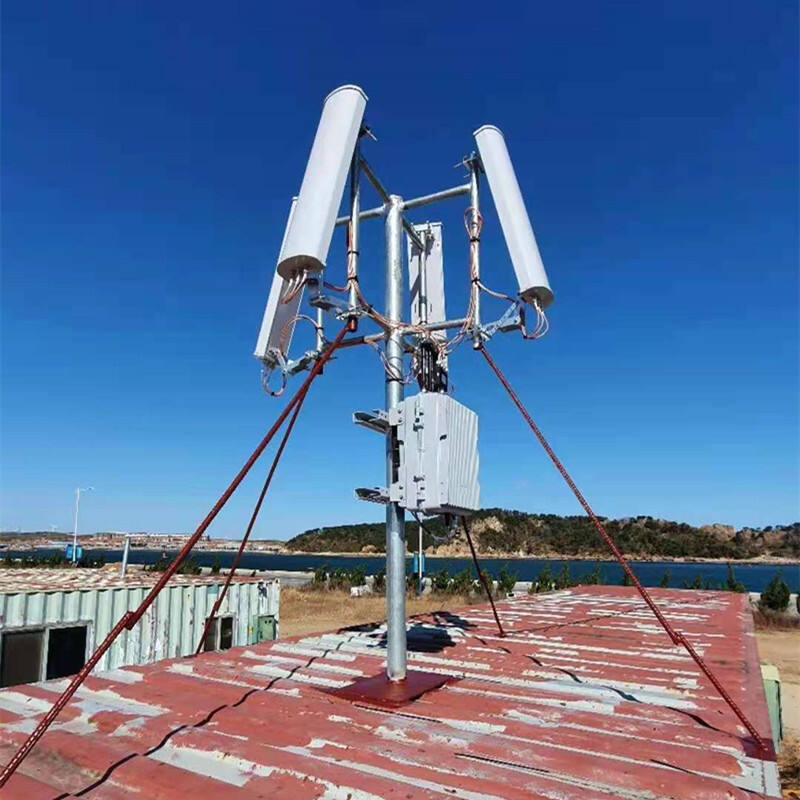
Why Prisons Are High-Risk Targets for Drone Threats
Prisons have become surprisingly vulnerable to drone attacks from above, which means that effective anti-drone security has become absolutely necessary. Standard security setups like walls around the perimeter, regular patrols, and those old fashioned surveillance cameras just don't cut it when dealing with small flying machines zipping through the air at tree level heights. Drones find gaps in the sky where there's no monitoring and can drop packages right into prison yards in less than a minute flat, getting valuable illegal items straight to prisoners waiting below. Because prisons are basically closed systems, whatever gets smuggled inside tends to create mini black markets within cellblocks. Smuggled stuff often sells for something like ten times what it costs on the outside market, so this makes drone runs extremely tempting for people looking to make quick cash.
Contraband delivery via drones bypasses traditional perimeter security
Regular security setups just don't stand a chance against things flying through the air. Small drones that carry stuff weighing less than five kilograms these days can sneak right into prison airspace without anyone noticing. They're so tiny and fly so close to the ground that guards can't spot them even when looking straight at where they should be. Plus, those GPS systems let them drop whatever they're carrying exactly where it needs to go. What happens next is pretty bad too. Inside correctional facilities, this creates whole black markets that keep running on their own. The illegal goods coming in are tied directly to more fights between inmates, staff getting scared, and basically wrecking any chance someone has at actually turning their life around after doing time.
Unauthorized communication channels (e.g., smuggled phones) enable coordination and intelligence leaks
When inmates get their hands on smartphones smuggled in by drone, they establish secret lines of communication that prison authorities can't track. These devices let prisoners plan breakouts, run illegal businesses from outside the facility, and threaten people who might testify against them—all beyond what traditional monitoring systems can catch. Just one phone can send out hundreds of encrypted texts every day, which really undermines security measures and puts correctional staff at risk. Worse still, these hidden networks allow for real time spying on when guards rotate shifts, what patrol times look like, and even details about lockdown procedures. This creates ongoing security problems that just won't go away without constant efforts to detect and stop drone deliveries right at the source.
Detection-First Strategy: Radar, EO/IR, and RF Sensors for Reliable Prison Anti-Drone Monitoring
Multi-sensor fusion overcomes blind spots in complex prison perimeters
Modern radar tech can spot flying things from pretty far away even when visibility is poor like during foggy nights or total darkness. These systems use something called micro-Doppler analysis which helps tell apart drones from birds with about 95 percent success rate based on real world testing. Then there are those RF scanners that watch over specific radio frequencies - mainly 2.4 GHz and 5.8 GHz where most drones communicate. They basically eavesdrop on control signals and can track down whoever's operating a drone within roughly two kilometers distance. For visual proof, EO/IR cameras come into play too. These bad boys capture detailed images using heat signatures so security personnel get clear pictures regardless of lighting conditions. Putting all these together creates comprehensive coverage without leaving any gaps near prison cells or along fences. The combined approach cuts down on wrong alerts by around seventy percent compared to just having one type of system running alone, as seen in actual installations at federal correctional facilities back in 2025. This means staff can respond quicker and with greater certainty when threats appear.
Remote ID integration supports lawful identification without violating privacy or spectrum regulations
Today's prison anti-drone tech makes use of required Remote ID signals these are basically digital license plates that drones send out to help spot registered aircraft without messing with private communications. The system works passively, which means it stays within FCC regulations and doesn't involve jamming signals that could cause problems elsewhere. Correctional staff get important info about each drone including what kind it is, its serial number, and where the person flying it stands through secure channels that can be checked later if needed for court cases. Most good systems automatically ignore legitimate flights like those commercial delivery drones that have special permission from the FAA, so they can concentrate their efforts just on the bad actors trying to sneak stuff in. Finding this sweet spot between keeping inmates safe, following the law, and respecting privacy matters a lot for prisons that must deal with all sorts of legal requirements every day.
Legally Compliant Mitigation: Balancing Signal Integrity, Safety, and Regulatory Boundaries
Stopping unauthorized drones at prisons requires careful strategies that stick within both legal limits and operational realities. Detection finds the problem, but mitigation actually stops it through methods such as radio frequency jamming or GPS trickery. The catch is these techniques need to leave normal communications intact too. Emergency radios still have to work, same with the intercom system across the whole facility and local public safety networks. We can't risk cutting off vital communications during an incident. Safety matters just as much. Countermeasures shouldn't accidentally cause drones to crash into places where people live, important infrastructure, or dangerous areas inside prison walls. There are plenty of buildings packed close together with guard towers and power lines everywhere. All operations also need to follow strict regulations set by agencies like the FCC with their Part 15 rules, FAA guidance about drone interference, plus various state and federal corrections standards. When facilities ignore these rules, they face serious fines, lose certification for their systems, and open themselves up to lawsuits. Good anti-drone protection in prisons combines precise, location-based countermeasures with proper training for staff and regular checks from legal experts. This way, threats get stopped while keeping everything else running smoothly and staying on the right side of the law.
Integrated Prison Anti-Drone Systems: Designing for Operational Resilience and Scalable Deployment
Effective prison anti-drone security demands integrated systems that unify detection, identification, and mitigation into a single operational framework. This end-to-end architecture minimizes response latency and ensures seamless coordination between security teams—critical for preventing contraband drops or unauthorized surveillance before they occur.
End-to-end C-UAS architecture tailored to correctional facility workflows and staffing constraints
A robust Counter-Unmanned Aerial Systems (C-UAS) architecture must prioritize prison-specific challenges:
- Automated threat verification reduces reliance on specialized personnel, with AI-driven sensor fusion cutting false alarms by up to 90%, per 2024 validation testing by TechPhanTHK.
- Modular deployment enables rapid scaling during high-risk periods—such as visiting hours—using portable, battery-powered detection units that integrate with fixed infrastructure.
- Centralized command interfaces embed directly into existing prison security platforms (e.g., VMS and access control systems), allowing guards to manage drone threats alongside routine duties without retraining or workflow disruption.
Scalability remains paramount: solutions must adapt seamlessly—from minimum-security camps to maximum-security complexes—without requiring new cabling, power upgrades, or structural modifications. Future-proof designs incorporate open APIs to support emerging capabilities like networked drone swarm detection and advanced RF fingerprinting, ensuring long-term resilience against evolving tactics.
FAQ
Why are drones a threat to prison security?
Drones pose a threat to prison security as they can deliver contraband such as drugs, weapons, and mobile phones into prisons without detection, bypassing traditional security measures like walls and cameras.
What types of technologies are used to detect drones in prisons?
Technologies such as radar, EO/IR cameras, and RF sensors are used to detect drones in prisons. These systems can identify and track drones by analyzing their signals and movements.
How do smuggled smartphones affect prison security?
Smuggled smartphones allow inmates to create unauthorized communication channels, enabling them to coordinate illegal activities, orchestrate escapes, and undermine prison security by exploiting loopholes.
What strategies are in place to prevent drones from entering prison airspace?
Strategies such as detection-first approaches utilizing radar, sensors, and multi-sensor fusion are implemented to prevent drones from entering prison airspace and circumventing security measures.
Are there legal challenges associated with anti-drone technology in prisons?
Yes, legal challenges include the need to comply with FCC regulations and ensure that counter-drone measures do not interfere with essential communications or violate privacy and spectrum laws.
Table of Contents
- Why Prisons Are High-Risk Targets for Drone Threats
- Detection-First Strategy: Radar, EO/IR, and RF Sensors for Reliable Prison Anti-Drone Monitoring
- Legally Compliant Mitigation: Balancing Signal Integrity, Safety, and Regulatory Boundaries
- Integrated Prison Anti-Drone Systems: Designing for Operational Resilience and Scalable Deployment
-
FAQ
- Why are drones a threat to prison security?
- What types of technologies are used to detect drones in prisons?
- How do smuggled smartphones affect prison security?
- What strategies are in place to prevent drones from entering prison airspace?
- Are there legal challenges associated with anti-drone technology in prisons?