 EN
EN

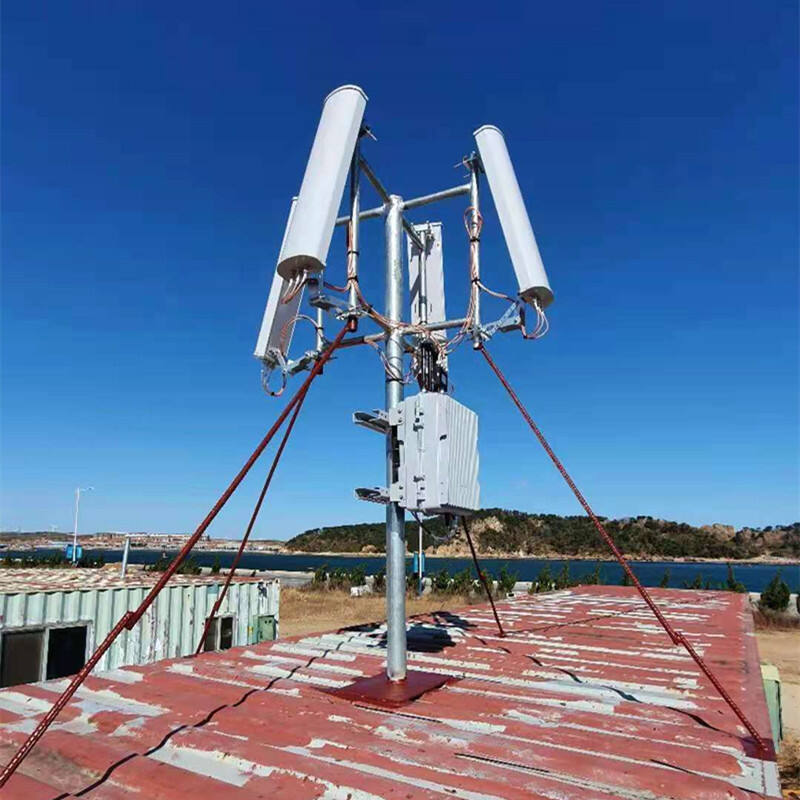
FPV Video Transmission Fundamentals and Key Frequency Bands
How Analog and Digital FPV Systems Use 1.3 GHz, 2.4 GHz, and 5.8 GHz Bands
FPV drones send live footage through three main radio frequencies: 1.3 GHz, 2.4 GHz, and 5.8 GHz. For analog FPV setups, these bands work differently. The 1.3 GHz band can punch through obstacles pretty well which makes it great for flying far distances. Most folks reserve 2.4 GHz strictly for controlling the drone itself. Now days, 5.8 GHz has become king for video transmission because it strikes just the right balance between data capacity, delay time, and how well antennas perform. Digital FPV tech works within those same frequency ranges but adds fancy stuff like OFDM modulation to get high definition video out there with delays under 100 milliseconds. The typical setup uses 2.4 GHz for controls and 5.8 GHz for the video feed. While this arrangement definitely boosts reliability, it also means attackers know exactly where to look when trying to disrupt operations. That's why knowing frequencies becomes so important in stopping unwanted drones from causing trouble.
Why 5.8 GHz (5725-5850 MHz) Is the Dominant Band for Modern FPV Video Links
Most FPV pilots have settled on the 5.8 GHz ISM band (covering frequencies from 5725 to 5850 MHz) as their go-to frequency range. Why? Well, there are basically three reasons why this band rules the skies. First off, it has enough bandwidth to handle 1080p video streams without eating up massive amounts of data. Second, the antennas needed for 5.8 GHz fit nicely into small drone frames without adding extra weight. And third, this band isn't nearly as congested as the 2.4 GHz range that everyone else seems to use for everything these days. Drone regulations in over 150 nations actually make flying across borders much easier when using this frequency. Sure, the 1.3 GHz band gives around 30% better signal penetration through thick materials, but what most pilots really care about is response time. With latencies often below 50 milliseconds, 5.8 GHz remains essential for fast-paced flying where delays could mean crashes or unstable maneuvers. Looking at industry stats from late 2023 shows that roughly 85% of commercial FPV drones depend on this frequency for their main video feed, which explains why security experts focus so heavily on jamming technology targeting exactly this band.
Drone Jammer Frequencies Targeting FPV Video: Precision, Range, and Effectiveness
Narrowband vs. Swept-Carrier Jamming in the 5.8 GHz ISM Band
Drone jammers today interfere with FPV video signals through two main methods in the 5.8 GHz ISM frequency range. The first approach, called narrowband jamming, focuses radio frequency energy specifically on those popular FPV channels people actually use most often, like around 5740 MHz or 5825 MHz. This creates pretty targeted interference without messing up too many other signals nearby. On the flip side, there's what they call swept-carrier jamming which basically sweeps across the entire 5725 to 5850 MHz band really fast, making sure every possible channel gets covered. According to tests done by defense contractors in the field, these narrowband systems maintain about a 20 dB better signal quality over distance compared to background noise when operating at 500 meters away. But the swept method can reach out further, working effectively up to about 1 kilometer. Of course this comes with downsides though since it affects a wider part of the radio spectrum and sometimes causes problems for legitimate wireless equipment that happens to be operating nearby.
Multi-Band Drone Jammer Operation: Synchronizing 2.4 GHz RC and 5.8 GHz Video Disruption
Modern counter drone tech works by jamming both bands at once these days. The system targets those pesky 2.4 GHz control signals along with the 5.8 GHz video feed through something called phased array antennas. What this does is stop drones from switching to backup frequencies if one gets blocked. How it works? About 60 percent of power goes toward disrupting those video streams while the remaining 40 percent handles the control signals. Field tests show this setup can disrupt most drones within 800 meters on flat ground according to Defense Manufacturer's testing last year. Weather matters too though. Wind, rain, even temperature changes can really affect how well these systems perform in real world situations.
| Environment | Effective Range | Video Disruption Rate |
|---|---|---|
| Urban | 450m | 82% |
| Open Field | 1.2km | 97% |
| Forested Areas | 300m | 68% |
Software-defined radios detect active FPV signals in under 0.5 seconds (Ukrainian EW Manual 2023), enabling real-time power rebalancing between bands. This adaptive coordination reduces interference with friendly communications by 40% compared to static or uncoordinated jamming.
Real-World Performance and Limitations of FPV-Focused Drone Jammers
FPV targeted drone jammers definitely offer important defense functions, but they face some real limitations when it comes to how well they actually work. Most portable models can only disrupt signals within around 200 to 500 meters, which means any drones flying further away just keep working normally. There's also the problem of unwanted side effects. When these jammers go to work, they often mess up other wireless systems too. Wi-Fi connections drop, Bluetooth devices stop talking to each other, and cell phone service gets disrupted. This creates serious problems especially during emergencies or in busy city areas where communication needs to stay intact.
Drone responses to jamming are highly inconsistent. Some models initiate failsafe landings; others hover indefinitely or execute autonomous pre-programmed routes unaffected by RF loss. Emerging countermeasures further erode jammer effectiveness:
- Frequency-hopping drones evade narrowband jamming by rapidly alternating between 2.4 GHz and 5.8 GHz, requiring up to 40% more jammer power for neutralization
- Optical/GPS-guided FPV drones, increasingly deployed in contested environments, operate independently of RF links entirely
- Multi-drone swarms congest control channels, reducing jammer success rates by up to 60% in dense operational scenarios
Portability introduces additional trade-offs. High-power systems demand heavy batteries and generate thermal loads, limiting sustained field use. Low-power alternatives lack resilience against adaptive threats. These limitations confirm that FPV jammersâwhile tactically valuableâare insufficient alone for comprehensive airspace security.
Legal, Technical, and Operational Constraints on Drone Jammer Deployment
FCC, ITU, and National Regulatory Restrictions on 5.8 GHz Jamming Equipment
Using drone jammers that target the 5.8 GHz ISM band for civilian purposes goes against rules set by both the Federal Communications Commission (FCC) and the International Telecommunication Union (ITU). The US government cracks down hard on this stuff too, with penalties running over $120k for each time someone gets caught doing it illegally according to CTIA data from 2024. Around the world, international agreements basically lock down access to jamming gear so only military forces, police departments, and other official government bodies can legally operate them. There are plenty of technical hurdles and real world limitations that make these devices difficult to use outside their intended scope anyway.
- Frequency spillover risks: 5.8 GHz jammers often interfere with adjacent Wi-Fi and public safety communications (FAA 2023)
- Power limitations: Civilian-grade devices cannot sustain effective counter-drone operations beyond ~300 meters
- Target identification challenges: Jammers lack the capability to distinguish hostile drones from authorized UAVs performing search-and-rescue or infrastructure inspection
Putting these systems into operation means working closely with aviation regulators so they don't interfere with planes' navigation or communication equipment. The FCC's Spectrum Enforcement folks report that less than half of one percent get approved when someone asks for permission to operate a jammer because there are real safety concerns documented in their records. Pretty much every country on the planet prohibits carrying around those little jammer devices, though some places allow stationary installations if they go through strict testing for electromagnetic compatibility first. Countries like Germany and Japan have particularly tough rules about this stuff.
FAQ
What are the main frequency bands used for FPV drone video transmission?
FPV drones primarily use 1.3 GHz, 2.4 GHz, and 5.8 GHz frequency bands for video transmission. Each has its own advantages and specific use cases.
Why is the 5.8 GHz band preferred for FPV video links?
The 5.8 GHz band is preferred because it offers enough bandwidth for high-quality video streams, compact antenna size, and less congestion compared to other bands.
How do drone jammers affect FPV video signals?
Drone jammers affect FPV video signals by utilizing methods like narrowband and swept-carrier jamming within the 5.8 GHz ISM frequency range, disrupting targeted channels.
What challenges do drone jammers face?
Drone jammers face challenges like limited disruption range, side effects on other wireless systems, and difficulty targeting specific drones without impacting authorized UAV operations.