 EN
EN

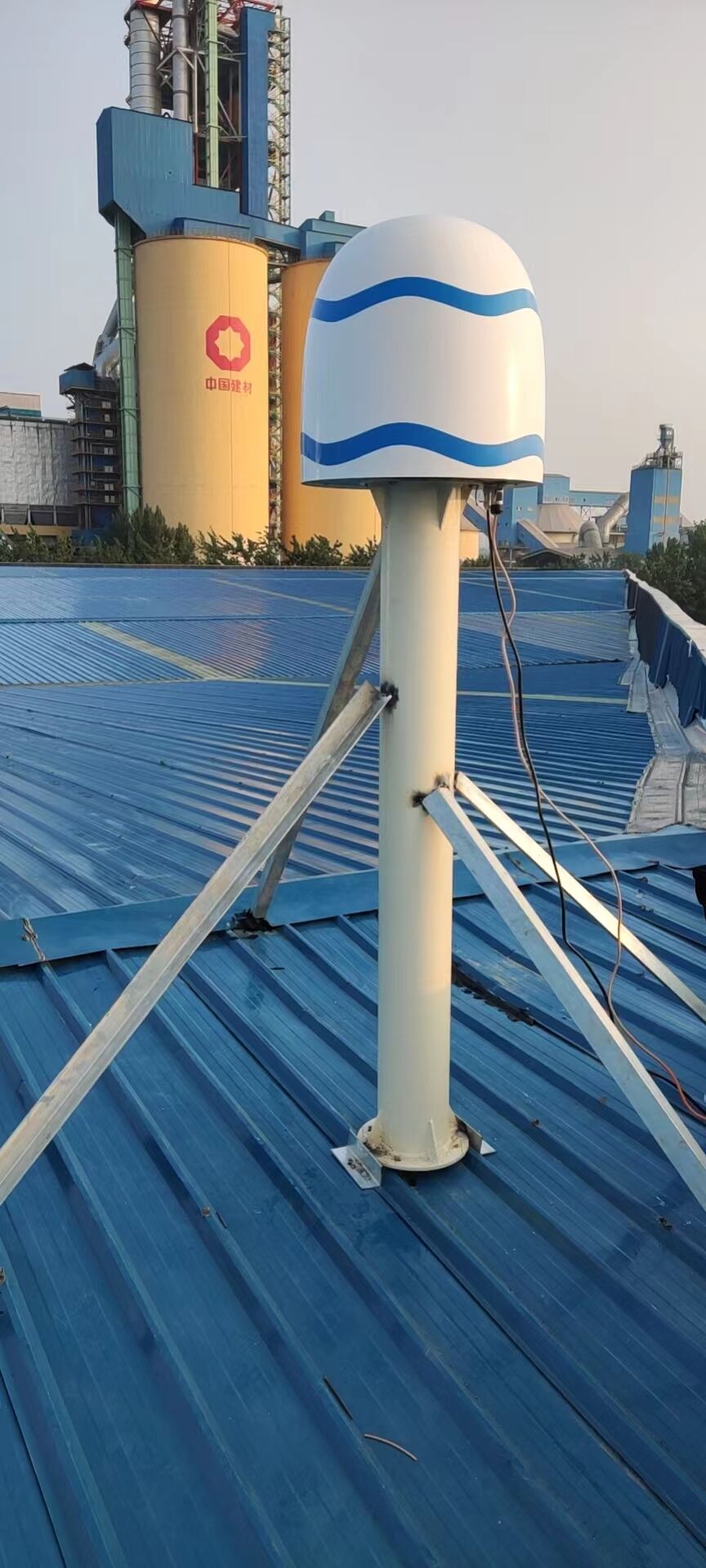
Electromagnetic Challenges for UAV Detection in Mines
Ground Clutter, Multipath Distortion, and Thermal Inversion Effects
Mine sites generate uniquely hostile electromagnetic environments for UAV detection. Three interrelated phenomena—ground clutter, multipath distortion, and thermal inversion—systematically degrade radar performance:
- Ground clutter: Dense concentrations of static and moving equipment—shovels, haul trucks, crushers—combined with irregular topography produce persistent, dynamic radar returns that mask low-RCS drone signatures.
- Multipath distortion: Radar signals reflect off steep, vertical highwalls and pit walls, creating false echoes that appear as duplicate targets across azimuth and elevation planes—confounding tracking and classification.
- Thermal inversion: In shafts and deep pits, temperature gradients refract radio waves away from radar sensors. Studies have documented up to 50% signal attenuation at depths exceeding 200 meters.
These effects intensify during dust storms or precipitation, cutting effective detection ranges by 30–60% relative to open-terrain baselines.
Low-RCS and Slow-Moving UAV Signatures Amid Heavy Machinery Noise
Modern micro-UAVs compound detection challenges in active mines through physical and spectral stealth:
- Their radar cross-sections (RCS) often fall below 0.01 m²—comparable to birds—while heavy haulers exceed 100 m², creating a 4–5 order-of-magnitude disparity in return strength.
- Cruising speeds under 15 m/s overlap with conveyor belt motion and shovel swing cycles, blurring kinematic distinctions. Mechanical vibrations further generate harmonic interference indistinguishable from slow-moving UAV micro-Doppler signatures.
- High-power RF emissions from draglines, drills, and crushers saturate critical FMCW bands, demanding signal processing capable of resolving sub-5 Hz micro-Doppler shifts.
Without specialized clutter rejection and adaptive thresholding, detection probability drops below 40% for drones operating within 500 meters of active equipment.
Radar Technology Adaptations for Reliable UAV Detection
Pulse-Doppler and FMCW Radar Enhancements for Mine-Specific Conditions
To overcome mining-specific interference, modern radar systems combine physics-aware architecture with multi-band operation:
The Pulse-Doppler radar system works by sorting signals into different Doppler bins based on speed, which helps filter out noise from stationary objects and slow moving equipment while keeping the UAV signals intact. FMCW radar adds another layer of capability here, offering really good distance measurements that make it possible to spot tiny micro-UAVs even when their radar cross section is down around 0.01 square meters. When we combine these technologies across multiple frequency bands, things get interesting. Using L/S-band frequencies gives better performance through dusty environments and moist conditions, while X-band provides sharp tracking details. This combination hits about 93% success rate in finding drones under 50 meters altitude near mining conveyors and pit areas where visibility is tricky. And there's one more thing worth mentioning - sophisticated signal processing actually fixes problems where targets appear duplicated because of reflections bouncing off mine walls and other structures.
AI-Optimized CFAR Processing to Suppress False Alarms from Conveyor Harmonics and Highwalls
The traditional CFAR algorithms just don't work well in mining environments because of all those repetitive high amplitude harmonics coming from things like crushers, conveyors, and draglines. This creates a lot of false triggers that make it hard to detect actual UAV signals. The new approach with AI enhanced CFAR swaps out those fixed threshold settings for machine learning models that have been trained using real world data from mining equipment spectra. What makes this different is how these models can tell apart the strange movement patterns of UAVs from the regular cycles of the machinery around them. Plus they adjust themselves based on what's happening at each specific location including factors like the shape of highwalls and electromagnetic interference from belt drives.
Field trials confirmed a 41% reduction in false alarms versus conventional CFAR, with sustained performance during dust storms where optical and RF-based alternatives fail.
Real-World UAV Detection Performance and Validation
Rio Tinto Pilbara Deployment: 92% Detection Rate at ¤1.2 km Under Dust and Inversion
The radar systems deployed in WA's Pilbara region managed to detect micro-UAVs with about 92 percent accuracy even when flying as far away as 1.2 kilometers. This area presents serious challenges with constant iron ore dust in the air, thermal inversions, and round-the-clock industrial activity. What makes these systems work so well? They use advanced Doppler technology across multiple spectrums to pick out those tiny, slow-moving targets against all the background noise caused by dust particles and changes in how radio waves travel through the atmosphere. Tests show this dual-band approach really stands up to scrutiny in what many consider the toughest electromagnetic environment for mining operations anywhere on earth.
Anglo American 2023 Trial: 41% False Alarm Reduction via Adaptive Thresholding
In 2023, Anglo American ran a test looking at how AI-based adaptive thresholding affects operations at one of their big mineral extraction sites. Results showed this system cut down on false alarms by around 41 percent when compared to traditional fixed threshold radars. It worked particularly well at stopping those annoying signals coming from conveyor belts and weird reflections off the highwalls. The whole thing works because it keeps updating its clutter maps in real time based on what the machines are doing and what the radar picks up. This means the system stays accurate at telling real threats from background noise without needing anyone to tweak settings manually. Pretty impressive since all the equipment gets moved around and work schedules change throughout different shifts.
FAQ
What is ground clutter in the context of UAV detection in mines?
Ground clutter refers to radar distractions caused by dense concentrations of both static and moving mining equipment, as well as irregular topography, which can mask the low radar cross-section (RCS) signatures of drones.
How does thermal inversion affect UAV detection?
Thermal inversion in mines causes temperature gradients that refract radio waves away from radar sensors, leading to significant signal attenuation and making UAV detection more challenging.
Why are modern micro-UAVs difficult to detect in mines?
Modern micro-UAVs have a low radar cross-section comparable to birds and move at speeds similar to mining operations, making them difficult to differentiate from the surrounding noise and machinery vibrations.
How does AI-optimized CFAR improve UAV detection in mining environments?
AI-optimized CFAR replaces fixed threshold settings with machine learning models that adapt to real-world data and environmental conditions, significantly reducing false alarms and enhancing UAV detection accuracy.