 EN
EN

The Communication Integrity Challenge in Prison Anti-Drone Defense
Why Prisons Rely Heavily on Licensed RF Spectrum for Critical Operations
Communication breakdowns can spell disaster in correctional facilities, which is why reliable transmissions matter so much for staff safety. The licensed radio frequency spectrum forms the foundation for essential systems like officer radios, emergency notifications, and those electronic locks controlling cellblock doors. These dedicated frequencies work better than open bands since there's no interference when sending urgent security messages or responding to medical emergencies inside the walls. Most prisons stick with licensed channels because during riots or fights, every second counts. A single delay in getting word out might let tensions spiral into full-blown violence. And this reliance comes with risks too. If someone messes with the RF signals, it could stop lockdown protocols dead in their tracks or leave security holes wide open. That's why modern anti-drone tech needs to protect these vital frequencies while still stopping smuggled goods from coming in through the sky, particularly during those tense moments when contraband drops happen.
Legal and Safety Risks of Broad-Spectrum Jamming in Correctional Environments
Using broad spectrum jamming inside prisons creates serious problems both legally and for safety reasons. The FCC has strict rules against disrupting signals without permission, and breaking those rules can lead to fines as high as seven hundred forty thousand dollars plus possible jail time. But there's another issue too dangerous to ignore. When jammers block all signals indiscriminately, they cut off vital communication channels needed for emergencies. Think about what happens when someone needs help from medical staff, or firefighters try to coordinate during a blaze, or local police respond to incidents near the facility. Research indicates that these kinds of disruptions can slow down response times by almost two thirds in test situations, which means real people could get hurt worse during fights between inmates or if a fire breaks out. Because of these risks, most correctional facilities are moving away from broad spectrum solutions toward more targeted approaches that don't interfere with public safety frequencies at all.
Non-Jamming Prison Anti-Drone Technologies That Preserve RF Integrity
Maintaining radio frequency (RF) integrity is non-negotiable in correctional facilities, where licensed spectrum supports critical communications, emergency systems, and perimeter controls. Non-jamming prison anti-drone solutions address this by neutralizing threats without disrupting essential operations.
Radar and RF-Silent Tracking for Early, Passive Detection
Modern radar setups offer round-the-clock monitoring regardless of weather conditions, and they do this without giving off any signals that can be picked up. These passive devices spot unmanned aerial vehicles within a radius of about three kilometers by looking at unique movement patterns known as micro-Doppler effects, essentially forming an unseen barrier against intrusions. Pairing them with optical cameras boosts their effectiveness significantly, with most installations reporting better than 99 percent accuracy in identifying different types of flying objects. The combination works well because it catches potential problems before they get close enough to cause trouble, and importantly keeps radio frequencies clean so that essential communications equipment inside correctional facilities continues functioning properly without interference.
Remote ID Exploitation and Cyber-Injection for Controlled Drone Mitigation
Today's drones send out Remote ID information - think of it as digital license plates showing where they are, how fast they're going, and where their pilot is located. Security folks pick up on these signals to set up virtual boundaries around no-fly zones and get automatic warnings when something goes wrong. When authorities need to take action against unauthorized flights, special systems can send coded instructions that make the drone drop everything and head back to base or just land wherever it happens to be. What makes this approach so good? It stops rogue drones dead in their tracks while keeping other radio signals intact. That matters a lot at places like prisons where regular communications must stay unaffected by anti-drone measures.
AI-Driven Multisensor Fusion (Acoustic, IR, RF Fingerprinting)
AI systems look at what comes in from microphones, thermal imaging devices, and radio frequency data to tell apart flying objects like drones versus birds or just random stuff floating around. The machine learning algorithms analyze things like how propellers make noise patterns, detect heat coming off the device, and pick up on the way it communicates wirelessly. All this gets processed fast enough usually within about two seconds to figure out exactly what kind of drone it is and where it might be going next. By combining information from all these different sources, the system cuts down on mistakes when identifying threats. This approach lets security teams take action against unwanted drones without shooting them down, which protects important communication systems at prisons and other sensitive locations.
Case Study: EnforceAir2 and EnforceAir Plus — Precision Targeting Without Collateral Interference
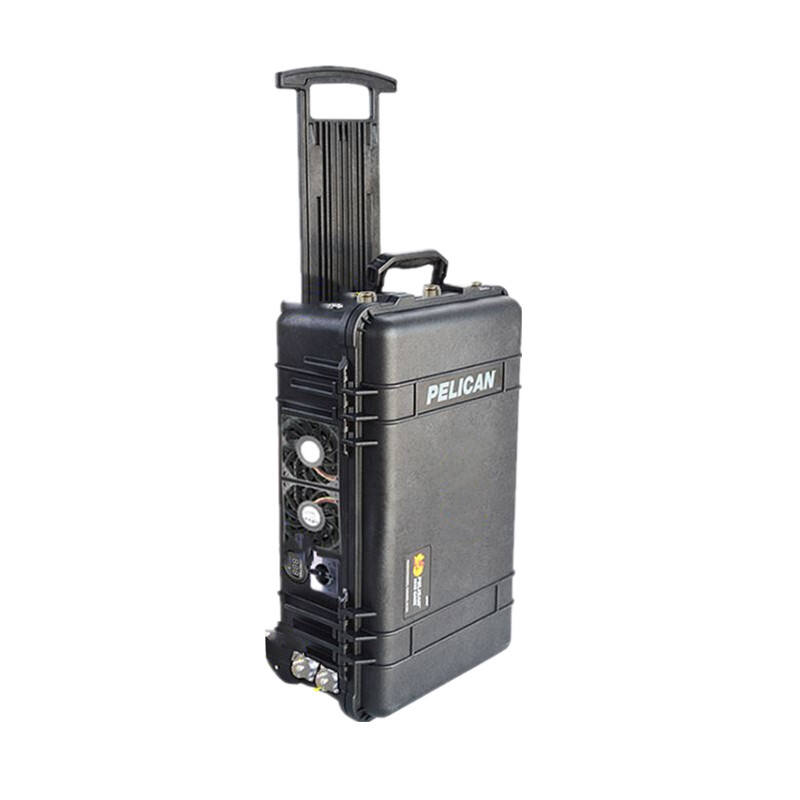
Correctional facilities require prison anti-drone solutions that eliminate threats without compromising communication systems. EnforceAir2 and EnforceAir Plus achieve this through RF cyber-takeover technology—identifying and seizing control of unauthorized drones using their own communication protocols, then safely landing them in designated zones away from prison grounds.
This methodology avoids broad-spectrum jamming entirely. Critical prison operations maintain uninterrupted access to licensed RF spectrum, and authorized communications remain fully functional during drone mitigation. EnforceAir2 offers flexible deployment in tactical, vehicular, or stationary configurations, with passive detection capabilities that provide early warnings without revealing system locations.
The EnforceAir Plus system boosts security through integrated radar technology combined with artificial intelligence for sensor data analysis, which makes threat detection much more effective throughout expansive facility areas. There are also optional smart jamming components available that can be deployed only under specific circumstances where absolutely needed and within legal boundaries. These advanced features work together to stop illegal items from being dropped into prisons without interfering with essential communications between staff and inmates. This approach proves that modern anti-drone defenses don't have to disrupt daily operations inside correctional institutions while still meeting all regulatory requirements.
Operational Integration: Building a Layered, Communication-Safe Prison Anti-Drone Strategy
From Detection to Neutralization: A Phased, Non-Kinetic Response Workflow
A robust prison anti-drone strategy hinges on a layered, RF-safe workflow that transitions seamlessly from detection to mitigation. Initial passive monitoring—using radar, acoustic sensors, and RF fingerprinting—identifies threats without disrupting licensed spectrum. AI-driven analysis then classifies drone intent and prioritizes responses. For confirmed threats, non-kinetic countermeasures activate:
- Cyber-takeovers, redirecting drones via encrypted protocols
- GPS spoofing, guiding UAVs to safe landing zones
- Directional RF inhibitors, disrupting only rogue signals
This phased approach minimizes false positives and eliminates collateral communication blackouts. By isolating threats surgically, prisons maintain critical operations—from emergency radios to medical alerts—while neutralizing contraband drops or surveillance attempts. Studies show layered systems reduce response times by 70% compared to reactive jamming.
FAQ Section
Why are prisons reliant on licensed RF spectrum?
Prisons rely on licensed RF spectrum for essential systems like officer radios, emergency notifications, and electronic locks to ensure secure and interference-free communications during critical operations.
What are the legal risks associated with broad-spectrum jamming in prisons?
The FCC prohibits disrupting signals without permission, and using broad-spectrum jamming can lead to significant fines and legal complications, as it may interfere with vital communication channels needed during emergencies.
How do non-jamming anti-drone technologies work in prisons?
Non-jamming technologies use methods like radar and RF-silent tracking, remote ID exploitation, and AI-driven multisensor fusion to detect and mitigate drone threats without disrupting critical prison communications.
What makes EnforceAir2 and EnforceAir Plus effective in prisons?
These systems use RF cyber-takeover technology and passive detection to neutralize unauthorized drones while maintaining uninterrupted access to licensed RF spectrum, ensuring continued communication safety in correctional facilities.
Table of Contents
- The Communication Integrity Challenge in Prison Anti-Drone Defense
- Non-Jamming Prison Anti-Drone Technologies That Preserve RF Integrity
- Case Study: EnforceAir2 and EnforceAir Plus — Precision Targeting Without Collateral Interference
- Operational Integration: Building a Layered, Communication-Safe Prison Anti-Drone Strategy
- FAQ Section