 EN
EN

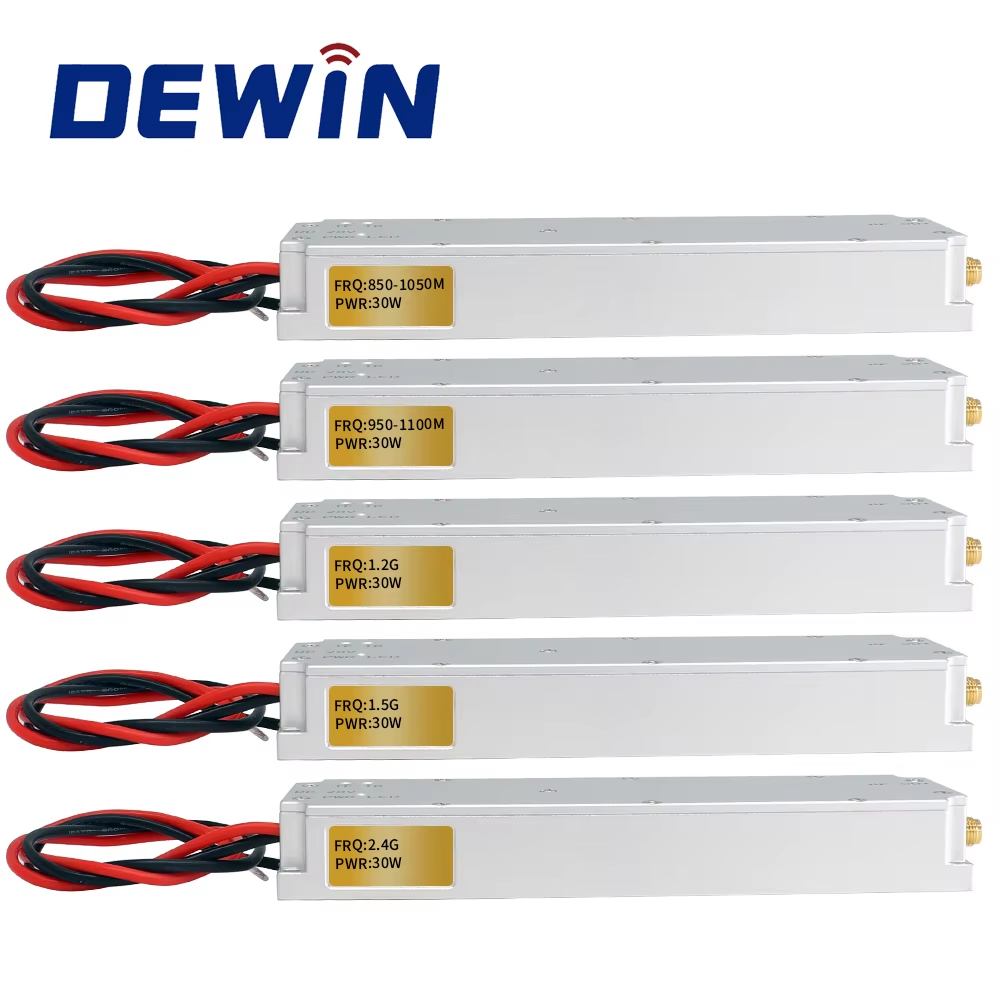
The Escalating Threat of Unmanned Aerial Vehicles in Modern Security
The rapid, uncontrolled proliferation of drones, or Unmanned Aerial Vehicles (UAVs), has fundamentally shifted the security paradigm for industrial manufacturing, government facilities, and high-security private properties. What was once considered a specialized hobbyist tool has evolved into a highly versatile, accessible platform capable of sophisticated reconnaissance, covert surveillance, and even unauthorized cargo transport. As the global accessibility of advanced drone technology increases, so does the risk of privacy breaches, industrial espionage, and potential physical threats to critical infrastructure. For security-conscious organizations, relying on traditional perimeter defenses like static fences, security guards, and standard optical cameras is no longer sufficient. Integrating a dedicated, high-performance anti-drone module has become an indispensable layer in a comprehensive security strategy, offering the ability to proactively detect and neutralize unauthorized aerial intruders before they can compromise high-value assets.
The Technical Mechanics of Anti-Drone Defense
At its core, an effective anti-drone module functions by disrupting the communication link between the drone and its remote controller, as well as its essential GNSS navigation system. Most commercial and professional drones rely on specific, crowded frequency bands for telemetry and control data, typically utilizing 2.4 GHz, 5.8 GHz, or proprietary long-range communication protocols. By deploying a targeted, high-precision RF jamming signal, an anti-drone module forces the UAV into an automated "fail-safe" mode, which usually triggers either a controlled emergency landing or a return-to-home maneuver.
Furthermore, advanced modules specifically target GNSS (Global Navigation Satellite System) signals, effectively blinding the drone’s navigational awareness. When the GNSS signal is severely interrupted or overridden, the UAV loses its spatial positioning accuracy, rendering it unable to follow pre-programmed GPS flight paths. This capability is absolutely critical for preventing automated, long-range incursions where a pilot may be located miles away, safely outside the immediate perimeter of the facility.
Proactive Defense Versus Reactive Measures
The strategic advantage of integrating dedicated anti-drone hardware lies in the transition from reactive observation to proactive neutralization. Security teams often find that by the time a drone is visually identified or captured on traditional surveillance monitors, the mission—be it sensitive data collection, audio recording, or illegal photography—has already been accomplished. Anti-drone modules provide a real-time defense mechanism that creates an invisible, active, and persistent "no-fly zone."
By installing these modules at key defensive points, security managers can establish a protective aerial perimeter that operates continuously without fatigue. This proactive approach not only stops unauthorized flight in its tracks but also serves as a powerful psychological deterrent, signaling to potential bad actors that the facility is defended by robust, industrial-grade electronic countermeasures. In industrial settings, this level of protection is essential for maintaining the absolute confidentiality of proprietary manufacturing processes, specialized R&D labs, and high-value trade secrets.
Seamless Integration into Existing Security Ecosystems
Modern security architecture is rarely dependent on a single tool. The most successful implementations involve a multi-layered approach where anti-drone modules operate in perfect synergy with existing radar surveillance, access control, and alarm systems. Because drone threats can originate from multiple vectors, integrating these modules ensures that the security team receives early warnings and automated responses.
This seamless integration means that an alert from a radar detection system can automatically trigger the activation of the anti-drone module, providing an immediate response with zero human latency. This level of rapid automation is critical in scenarios where the drone's speed, flight profile, or low-altitude approach could easily bypass human-operated defenses. Creating a cohesive, interoperable security environment reduces the cognitive load on security personnel, allowing them to focus on broader threat management while the automated, intelligent systems handle the technical work of aerial interdiction.
Protecting Business Continuity and Strategic Assets
For large-scale corporations and government bodies, the presence of an unidentified drone over a restricted area is not just a minor nuisance; it is a major financial, operational, and strategic risk. The threat of intellectual property theft, unauthorized site mapping, and even physical interference with heavy equipment operations can lead to significant financial losses and reputational damage.
Integrating anti-drone modules is a strategic investment in long-term business continuity. By actively securing the airspace, organizations protect their operational privacy and ensure that their internal activities remain strictly confidential. The commercial value of such security cannot be overstated—it preserves the competitive edge of manufacturers, maintains the security of sensitive government data, and prevents unauthorized actors from assessing the facility's structural vulnerabilities. The true ROI of such a system is measured by the incidents successfully prevented, the proprietary data protected, and the sustained integrity of the organization’s secure, classified environments.
Manufacturing Excellence and Reliable Security Partners
Selecting the right anti-drone module is a decision that impacts the long-term reliability of a facility's entire security posture. The market is currently flooded with generic, low-quality hardware, but true efficacy requires sophisticated, field-hardened technology that remains stable under diverse, harsh operational conditions. Zhuhai Dewin provides professional-grade anti-drone modules that are specifically engineered to meet the evolving, rigorous demands of industrial and government security providers.
By prioritizing high-efficiency power amplification, thermal stability, and precise frequency targeting, Zhuhai Dewin ensures that its modules provide the operational longevity and performance consistency that critical infrastructure demands. Choosing a manufacturer with an unwavering commitment to engineering quality and a reliable, transparent supply chain is the final, essential step in building a comprehensive defense system that works exactly when it is needed most.
Table of Contents
- The Escalating Threat of Unmanned Aerial Vehicles in Modern Security
- The Technical Mechanics of Anti-Drone Defense
- Proactive Defense Versus Reactive Measures
- Seamless Integration into Existing Security Ecosystems
- Protecting Business Continuity and Strategic Assets
- Manufacturing Excellence and Reliable Security Partners