 EN
EN

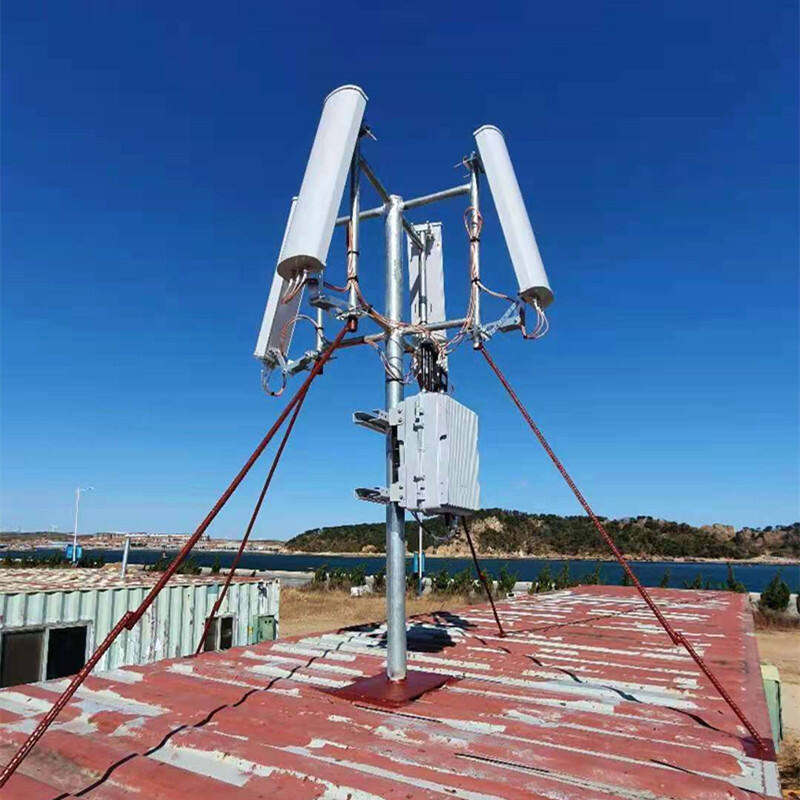
Why Analog FPV Video Is Inherently Vulnerable to Anti-FPV Jamming
Open-loop, unencrypted transmission with no error correction or retransmission
Analog FPV systems send video through an open loop system that isn't encrypted at all. They miss out on things like authentication checks, error corrections, and packet retransmissions completely. Digital systems work differently since they actually check if data gets received properly and will resend anything that gets messed up during transmission. When there's any kind of signal problem caused by interference, being too far away, or something blocking the path, the video feed either gets worse fast or stops working entirely. Because of how simple these analog systems are built, they're really vulnerable to low power jamming attacks. Some tests done recently showed that someone could stop the transmission with just 500 milliwatts worth of directed energy according to research published last year in ScienceDirect.
Fixed-frequency channel design across mainstream FPV gear
Most consumer level FPV gear like video transmitters and goggles work mainly on fixed frequency channels in the 5.8 GHz ISM band instead of using things like frequency hopping or adaptive modulation. The way these frequencies are set up makes it really easy for people wanting to block FPV signals to find and overload those channels pretty quickly. Manufacturers tend to use similar channel setups across different models, so one jammer setup can actually knock out a lot of popular equipment at once. Analog systems don't have features like dynamic frequency changes or security checks built into them, which means they basically have no protection whatsoever against this kind of targeted interference.
Core Anti-FPV Jamming Techniques Targeting the 5.8 GHz ISM Band
Broadband noise jamming vs. swept-carrier vs. precision frequency targeting
Anti-FPV systems disrupt video feeds using three primary techniques within the 5.8 GHz ISM band:
- Broadband noise jamming floods the entire band with wide-spectrum RF noise, overwhelming receivers indiscriminately—but at high power cost and significant collateral interference.
- Swept-carrier jamming rapidly scans across frequencies, effective against hopping systems but less efficient against fixed-channel analog FPV.
- Precision frequency targeting, the most effective method for analog FPV, uses phased arrays to concentrate energy on specific occupied channels. Per Defense Spectrum Agency testing (2023), directional precision jammers achieve 94% disruption at 800 m by minimizing dispersion and maximizing spectral efficiency.
Effectiveness varies by environment due to propagation characteristics:
| Environment | Effective Range | Disruption Rate |
|---|---|---|
| Open Field | 1.2 km | 97% |
| Urban | 450 m | 82% |
| Forested | 300 m | 68% |
Precision targeting reduces collateral interference by 75% compared to broadband methods—making it operationally preferable near sensitive infrastructure or crowded RF environments.
Regulatory ambiguity: Why 5.8 GHz anti-FPV operation occupies a legal gray zone
Anti-FPV jamming operates in what many call a regulatory gray area even though it works within the unlicensed 5.8 GHz ISM band. Most countries have laws against deliberate interference with communications that are either licensed or protected. Think about things like the US Communications Act or the EU's Radio Equipment Directive. But here's the catch: enforcement varies widely when it comes specifically to FPV jamming devices. What makes this situation tricky is that there aren't any mandatory encryption or authentication rules for the 5.8 GHz band. So those old school analog video signals basically float around without legal protection. The ITU set down some guidelines back in 2023 allowing local authorities to use jamming technology only if they need to protect critical infrastructure and get proper authorization from the government. However, these same rules clearly state that regular civilians can't deploy such equipment without going through the proper regulatory channels first. And this creates problems for companies trying to implement counter-drone measures without all the paperwork and official green lights from regulators.
Multi-Band Anti-FPV Systems: Disrupting Both Control and Video Links
Cascading failure—simultaneous 2.4 GHz RC telemetry and 5.8 GHz video suppression
Modern anti-FPV defenses work by targeting how most drones rely on two separate frequencies at once. Drone controllers usually operate on 2.4 GHz for commands, while the camera feed comes through 5.8 GHz. When these signals get jammed together, things start falling apart pretty quickly. Without telemetry data, the drone's brain gets confused about where it is and what it should do next. At the same time, pilots lose sight of what their drone sees, which makes flying basically impossible. Most consumer grade drones will then automatically kick in safety measures we've all seen in action videos online. They either fly back to where they took off from or just drop out of the sky completely. Some even lock themselves up until someone physically resets them.
Phased array antennas can focus beams pretty tightly, around 15 to 30 degrees wide, which gives them about 12 to 18 dB better signal strength compared to regular omnidirectional antennas. Plus, they cut down on unwanted interference by roughly three quarters. A recent test at a European power station back in 2023 showed just how effective these systems can be when used together across both 2.4 and 5.8 GHz frequencies. They managed to disrupt almost all unauthorized FPV drone activity, getting close to a 98% success rate. What makes this solution stand out is that it doesn't mess with GPS signals or try to trick anyone through spoofing techniques. Instead, it takes advantage of weaknesses already present in older analog video systems and traditional radio control telemetry setups. This creates reliable protection without needing constant manual intervention from operators on site.
FAQ
Why are analog FPV systems vulnerable to jamming?
Analog FPV systems use unencrypted, open transmission loops that lack error correction and retransmission mechanisms, making them susceptible to interference and low-power jamming.
What frequency do most consumer FPV systems operate on?
Most consumer FPV gear operates on fixed frequency channels in the 5.8 GHz ISM band.
How do anti-FPV systems jam signals?
Anti-FPV systems disrupt video feeds primarily using broadband noise jamming, swept-carrier jamming, and precision frequency targeting methods.
Is jamming FPV signals legally allowed?
Legally, jamming FPV signals falls into a regulatory gray area; it is restricted without proper authorization and mainly allowed under specific conditions to protect critical infrastructure.
How do multi-band anti-FPV systems work?
Multi-band anti-FPV systems target both 2.4 GHz RC telemetry and 5.8 GHz video links simultaneously, causing cascading failure in drones by disrupting control and video signals.