 EN
EN

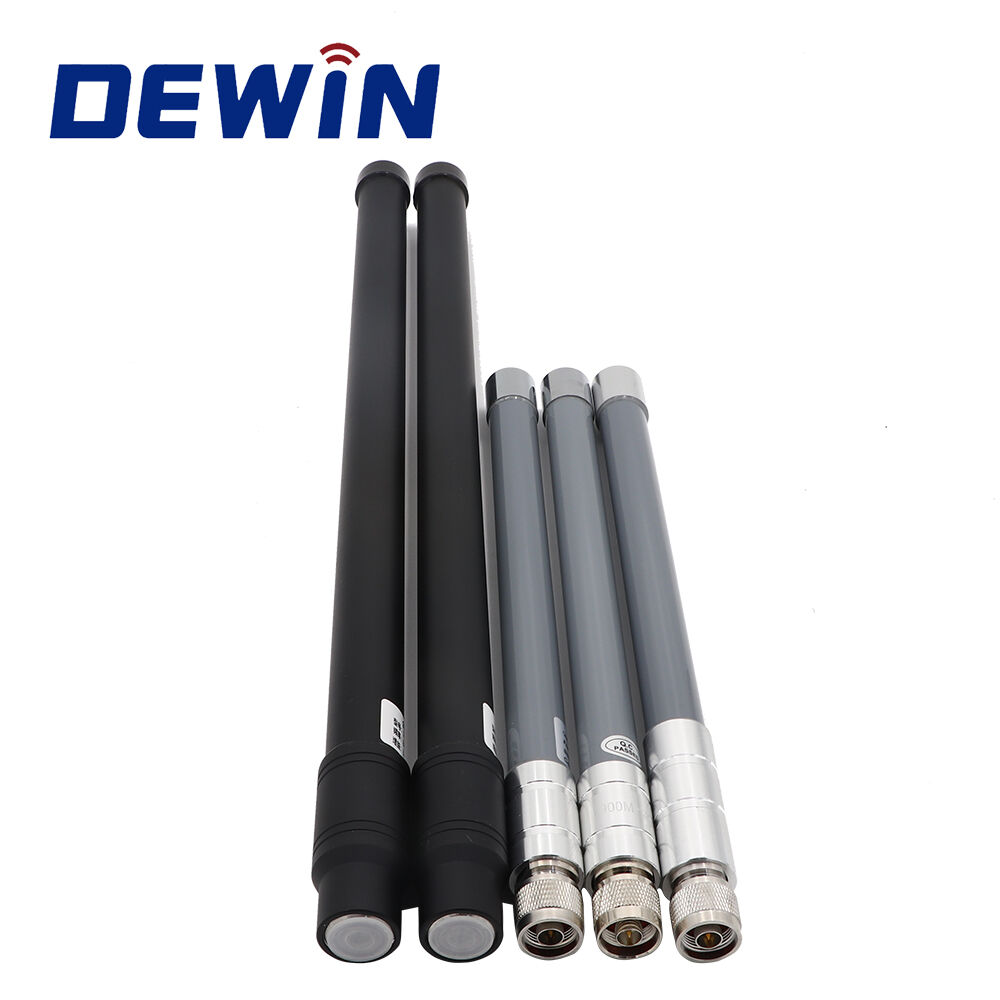
Understanding the Role of Anti-FPV Antennas in Counter-Drone Signal Disruption
What Is an Anti-FPV Antenna in Counter-Drone Technology?
Anti-FPV antennas work by interfering with those FPV drone signals that carry live video and control information back and forth between the actual drone and whoever is flying it. The way these things function is pretty straightforward really they blast out strong RF signals that basically shut down communications on important frequency ranges such as 2.4 GHz and 5.8 GHz. We've seen this happen during various field tests of anti-drone equipment recently. What makes them different from regular jamming devices is their targeted approach they specifically zero in on the frequencies used for both the video feed coming from the drone camera and the signals controlling the aircraft itself. According to some testing done last year, these specialized antennas can stop most FPV transmissions about 9 out of 10 times when tested under lab conditions.
The Principle of Targeted Jamming for FPV Signals
Targeted jamming basically floods drone receivers with RF noise that's specifically adjusted for their frequencies. The signal needs to be strong enough compared to background noise, usually around 20 dB or more, before the drone loses contact with its controller. Anti-FPV antennas work differently from regular jammers because they focus their power on very narrow parts of the spectrum, which helps avoid messing up other nearby electronics. Take a 10 watt directional antenna as an example it can stop most FPV signals within about 1.2 kilometers away, though actual range might vary depending on conditions. These systems manage to block unwanted signals without wasting too much bandwidth on irrelevant frequencies.
How Anti-FPV Antennas Disrupt Drone Control and Video Transmission
These antennas work by messing with both control signals and video feeds at the same time, which pushes most drones into their safety protocols. That means they'll either hover there, drop down, or go back to where they started. When we talk about dual channel jamming that hits both 2.4 GHz and 5.8 GHz frequencies, studies suggest response times drop around 40 percent compared to those old single band systems. Operators trying to take control again find themselves fighting against the clock. For places that need serious protection, like airfields and military bases, having these anti-FPV antennas becomes pretty much a must have item in anyone's security arsenal.
Integration of Anti-FPV Antennas with RF and Wi-Fi Jamming Systems
Leveraging Frequency Bands Used in Drone Communication (2.4 GHz, 5 GHz, etc.)
Anti-FPV antennas work by targeting specific frequencies that drones rely on for their real time control and video feeds. Consumer grade drones mostly run on 2.4 GHz and 5 GHz bands, though military versions often switch to lower frequencies like 1.2 GHz or even 900 MHz. These antennas basically flood those frequency ranges with noise, which stops both the commands going from pilot to drone and the video coming back to the operator. According to a recent defense department report from last year, when they tested 2.4 GHz jammers against regular consumer drones, around 95 out of every 100 stopped working properly within half a kilometer range. The same tests showed that 5 GHz systems weren't quite as effective but still managed to stop about four out of five advanced FPV drones from functioning correctly.
Synchronization of Anti-FPV Antenna with Radio Frequency Jamming Systems
When anti-FPV antennas work together with RF jammers properly, they can knock out signals pretty quickly. Some of the newer systems actually employ this thing called phased array tech which lets them tweak their jamming patterns within just 50 milliseconds or so, making it tough for those pesky frequency hopping drones to escape detection. The speed really matters for securing perimeters because even a small delay might give away valuable recon info before it gets blocked. According to tests done by security experts, these coordinated systems lock onto targets about 40 percent quicker compared to regular old standalone jammers. Not bad at all when we're talking about keeping sensitive areas protected from unwanted aerial surveillance.
Case Study: Effective UAV Control Signal Disruption Using Dual-Band Jamming
In early 2023, a European security company conducted tests at an actual power station and found that their dual band (2.4 and 5 GHz) anti-FPV antenna setup managed to stop nearly all unwanted drones from entering restricted airspace, knocking out around 98 percent of them during testing periods. The system worked by employing those powerful directional antennas along with adjustable power settings, which not only stopped people trying to trick GPS systems but kept most of the signal contained within a specific area, causing less than 2% interference outside that zone. What makes this particularly impressive is how it cut down on false positives too something many operators struggle with when dealing with drone threats. Compared to older single band approaches, this new tech slashed those annoying false alerts by almost two thirds according to field reports from the site.
Controversy Analysis: Over-Jamming Risks and Spectrum Interference Concerns
Even though these systems are pretty accurate, when they're not properly set up, they can mess with real wireless services that people actually need. Spectrum regulators did some research in 2025 and saw that jammers without proper calibration made about 12 percent of nearby Wi-Fi 6 routers drop out while they were running. The industry has started putting in place AI based power control solutions as a fix. These cut down how far the jamming signal goes by somewhere between 15 and 30 percent, but they manage to slash interference problems by nearly 90%. It works well enough, but there's still plenty of back and forth among folks who work in defense about whether this compromise is worth it for ensuring successful missions.
Directional vs. Omnidirectional Anti-FPV Antennas: Impact on Jamming Precision and Coverage
Performance Comparison of Directional and Omnidirectional Antennas in Anti-Drone Jammer Systems
Directional anti-FPV antennas typically offer around 12 to 15 dB more gain compared to their omnidirectional counterparts because they concentrate signal strength into a narrower beam angle between 45 and 90 degrees. This focused approach allows for effective range extending out to approximately 3 kilometers. On the flip side, omnidirectional antennas cover all directions at once (360 degrees) but can only reach distances of about 500 to 800 meters according to Tesswave's 2024 research. The reduced gain combined with how sensitive these antennas are to background radio frequency noise makes them less reliable in real world conditions. Plus, since they receive signals from every direction, there's simply more chance of unwanted interference messing with performance.
| Feature | Directional Antennas | Omnidirectional Antennas |
|---|---|---|
| Coverage | 45–90° beamwidth | 360° radiation |
| Effective Range | 2,000–3,000 meters | 500–800 meters |
| Interference Risk | Low (shielded side lobes) | High (open reception) |
| Deployment Time | 8–12 minutes (alignment) | <3 minutes |
Advantages of Directional Jamming Techniques for Precision Targeting
Military and critical infrastructure applications increasingly favor directional antennas for targeted disruption. These systems enable frequency-selective jamming, overpowering 2.4 GHz/5.8 GHz drone links without affecting adjacent emergency bands like 900 MHz. During a 2023 protection exercise, directional jammers neutralized 94% of simulated FPV attacks while preserving full functionality of co-located wireless sensors (Haisenglobal, 2024).
When Omnidirectional Coverage Is Necessary Despite Lower Efficiency
Omnidirectional antennas remain valuable in unpredictable environments, such as airport terminals or urban event zones. They are especially useful against swarm drone threats, where attack vectors emerge from multiple directions. Although their effective range is 22–25% shorter, coordinated multi-unit deployments compensate for coverage limitations.
Trend: Adaptive Beamforming in Next-Gen Anti-FPV Antenna Arrays
Next-generation systems now feature AI-powered adaptive beamforming, dynamically switching between directional and omnidirectional modes. These hybrid arrays reduce collateral interference by 58% compared to fixed setups while retaining full 360° threat detection–offering a balanced solution for complex operational environments.
Optimizing Anti-FPV Antenna Design to Improve Jammer Range and Accuracy
Impact of Antenna Gain and Polarization on Drone Signal Jamming and Interference
When it comes to jamming signals, higher antenna gain means the power gets focused over much greater distances. Tests done in real world conditions have found that antennas rated at 15 dBi directional output can push their effective range about 40 percent further than regular models. Another important factor is circular polarization. Most FPV drones actually use this type of reception, so when jammers match that pattern, they cut down on signal reflections caused by things like buildings and metal structures. This makes a big difference in cities where there are lots of reflective surfaces. Some recent research from last year's drone countermeasure studies showed these polarized signals can reduce reflection losses by around two thirds, which really helps penetration through urban environments.
Optimizing Antenna Placement for Maximum RF Jamming of Drones
Elevated placement enhances line-of-sight coverage and minimizes ground clutter. Installing antennas at 10m or higher can increase jamming radius by 1.8x. Additionally, spacing multiple units more than half the wavelength apart (e.g., 6.25 cm for 2.4 GHz) prevents destructive interference and ensures uniform coverage.
Real-World Example: Long-Range Anti-Drone Deployment at Critical Infrastructure Sites
A European energy facility achieved 98% success in intercepting unauthorized drones using phased-array anti-FPV antennas integrated with radar detection. Covering a 3.2 km radius, the system uses vertical polarization optimized for common commercial drone configurations. Thermal imaging confirmed an 87% reduction in false triggers compared to omnidirectional alternatives.
Strategy: Combining High-Gain Anti-FPV Antennas with Power Modulation
Dynamic power modulation adjusts output based on drone proximity, reducing energy consumption by 55% without compromising effectiveness. Systems that switch between 50W (short-range) and 200W (long-range) modes demonstrate 72% faster target acquisition in multi-drone scenarios. This approach aligns with recent research showing modulated amplifiers extend operational lifespan by 30%.
Challenges and Limitations of Current Anti-FPV Antenna Systems
While anti-FPV antennas significantly enhance counter-drone capabilities, modern systems face three key challenges.
Drone Anti-Jamming Technology Principles Reducing Jammer Effectiveness
Advanced drones employ frequency-hopping spread spectrum (FHSS) and adaptive power control to evade jamming. A 2023 defense study found that neutralizing FHSS-equipped FPV drones requires 40% more jamming power than conventional models. Their ability to rapidly switch between 2.4 GHz and 5.8 GHz forces anti-FPV systems to cover broader bandwidths, increasing false-negative rates.
Limitations in Multi-Drone Environments and Signal Congestion
Simultaneous jamming of multiple drones leads to signal overlap and degraded performance. In environments with five or more active drones, success rates drop by up to 60% due to congested control channels. Urban RF pollution from Wi-Fi and Bluetooth further complicates signal isolation.
Industry Paradox: Balancing Portability and Power in Handheld Anti-FPV Jammers
Portable systems always involve some compromises. When they're made small enough to carry around easily, they sacrifice both their transmission distance and ability to handle heat buildup. Testing has found that most handheld devices weighing under 5 kilograms typically max out at around 300 meters before signal drops off, while fixed directional setups can push past 1.2 kilometers without issue. The industry is working hard on better cooling solutions and longer lasting batteries so these mobile units can perform reliably during critical missions such as protecting important personnel or securing sensitive locations where every second counts.
These limitations underscore the need for smarter algorithms, adaptive beamforming, and hybrid approaches combining RF jamming with optical or cyber-physical disruption methods.
Frequently Asked Questions (FAQ)
What frequencies do anti-FPV antennas typically target?
Anti-FPV antennas usually target the frequency ranges of 2.4 GHz and 5.8 GHz, which are commonly used in consumer-grade drones for video transmission and control signals.
How effective are anti-FPV antennas in real-world conditions?
In real-world conditions, anti-FPV antennas have been shown to disrupt drone communications effectively with success rates of around 90-98%, depending on the conditions and technology employed.
What are the primary challenges faced by anti-FPV antenna systems?
The main challenges include evasion tactics by advanced drones, signal congestion in multi-drone environments, and balancing range and power in portable systems.
Can anti-FPV antennas cause interference with other wireless services?
Yes, if not properly calibrated, anti-FPV antennas can interfere with legitimate wireless services, like Wi-Fi. However, AI-based power control solutions are being implemented to minimize such risks.
Table of Contents
- Understanding the Role of Anti-FPV Antennas in Counter-Drone Signal Disruption
-
Integration of Anti-FPV Antennas with RF and Wi-Fi Jamming Systems
- Leveraging Frequency Bands Used in Drone Communication (2.4 GHz, 5 GHz, etc.)
- Synchronization of Anti-FPV Antenna with Radio Frequency Jamming Systems
- Case Study: Effective UAV Control Signal Disruption Using Dual-Band Jamming
- Controversy Analysis: Over-Jamming Risks and Spectrum Interference Concerns
- Directional vs. Omnidirectional Anti-FPV Antennas: Impact on Jamming Precision and Coverage
- Optimizing Anti-FPV Antenna Design to Improve Jammer Range and Accuracy
- Challenges and Limitations of Current Anti-FPV Antenna Systems
- Frequently Asked Questions (FAQ)