 EN
EN

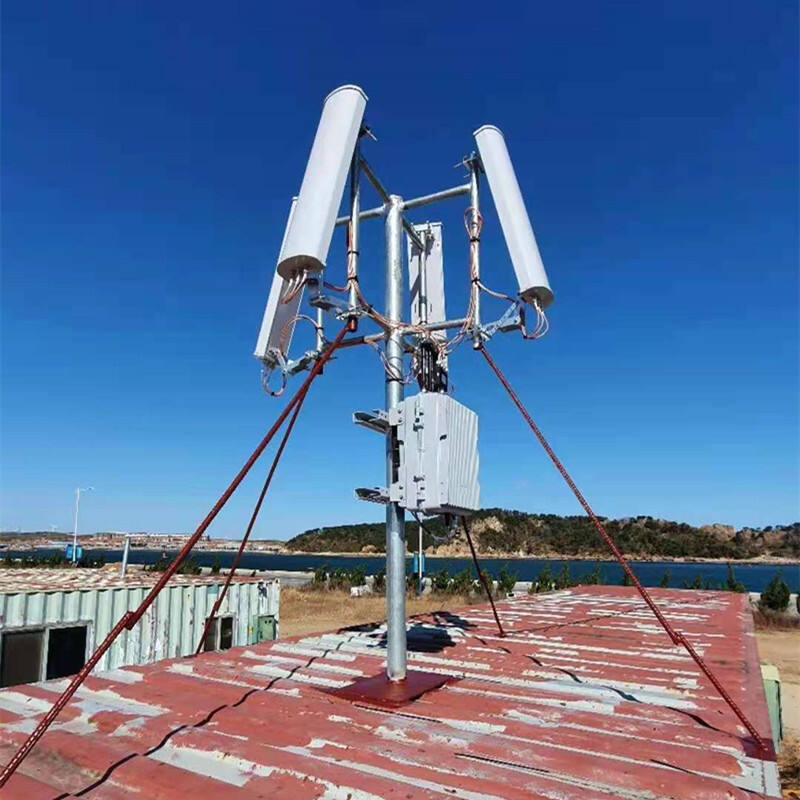
Understanding Prison Anti-Drone Systems and Their Operational Challenges
The Rise of Drone Threats to Prisons and Contraband Delivery via UAVs
The rise of drones has created major problems for security at prisons across the country. According to FAA records, there was a staggering 540 percent jump in unauthorized drone flights near prisons between 2020 and 2023. What's worse? These flying devices are regularly used to smuggle all sorts of illegal stuff into prisons these days. We're talking about drugs, weapons, even cell phones being dropped off inside prison walls. Some of these drones can carry over five pounds worth of contraband according to National Institute of Justice research from last year. The problem is that most prisons were built decades ago when nobody thought about air attacks. Now they're scrambling to install special systems called C-UAS that can spot tiny drones weighing just half a pound while they're still airborne.
Core Functions of Counter-Unmanned Aerial Systems (C-UAS) in Prison Security
Modern C-UAS employ a layered approach:
- RF scanning to detect controller/drone communication frequencies (200 MHz–6 GHz range)
- Radar tracking for objects moving at 10–80 mph in restricted airspace
-
Optical validation using AI-powered cameras to filter out birds or debris
A 2023 case study found systems integrating these technologies reduced successful drone deliveries by 89% at medium-security facilities. However, dense urban environments and prison cellblock signal interference remain ongoing challenges.
Documented Incidents of Drone Smuggling in U.S. and European Correctional Facilities
In South Carolina during 2022, there were attempts to drop contraband via drones no fewer than 47 times over just six months, according to Ponemon's 2023 report. The value of what was being smuggled? Around $740,000 worth of goods. Across Europe we see similar problems emerging. Take the UK for instance where the Ministry of Justice recorded 112 incidents involving drones last year alone, which is quite a jump from only 19 cases back in 2019. What these numbers suggest is pretty clear though not entirely surprising. Drones have become far more effective at getting stuff into prisons compared to old fashioned methods. As a result, correctional facilities need better solutions than just walking patrols. They're looking at installing weather resistant detection equipment instead if they want to stay ahead of this growing problem.
Environmental Resilience of Prison Anti-Drone Detection Systems
Performance in Adverse Weather, Lighting, and Extreme Temperature Conditions
Modern prison anti-drone systems face unique environmental stressors, with 2023 testing data showing thermal cameras maintain 92% detection accuracy in -20°C to 50°C extremes. Radar-based sensors degrade by 15% in heavy rainfall but recover fully post-storm, while optical systems leverage AI-powered filters to mitigate fog and glare.
Operating Challenges Across Variable Terrain and Electromagnetically Dense Zones
Prisons’ mixed infrastructure–concrete walls, metal fences, and underground tunnels–creates signal blind spots. A 2024 correctional facility study found RF jammers lost 40% effectiveness near high-voltage power lines, requiring hybrid systems combining acoustic triangulation and adaptive frequency-hopping.
Indoor vs. Outdoor Reliability: How Harsh Environments Impact System Effectiveness
Indoor deployments battle false alarms from ventilation vibrations (37% higher than outdoors) but benefit from controlled temperatures. Outdoor units withstand hurricane-force winds but require monthly recalibration in desert facilities due to particulate buildup on lens arrays.
Test Data from NIJ-Certified C-UAS Under Real-World Stress Conditions
NIJ-certified systems achieved 86% interdiction rates during 2023 desert trials, though false positives spiked to 12% in urban-adjacent prisons with heavy 5G interference. Post-deployment updates reduced latency to 0.8 seconds for drone classification–critical for intercepting sub-2kg contraband UAVs.
Key Anti-Drone Technologies and Their Adaptability to Prison Environments
Modern correctional facilities require anti-drone systems that balance detection accuracy with environmental adaptability. Below we analyze core technologies and their operational viability in complex prison settings.
Radar-Based Detection in High-Interference Perimeter Settings
Security at correctional facilities has always been complicated by things like fence lines, bright lights around perimeters, and all sorts of wireless signals bouncing around. When it comes to spotting small drones, millimeter wave radar tech gets pretty good results in lab settings, hitting around 94% accuracy for anything under two kilograms. But when these systems go live in actual prisons? The numbers drop quite a bit due to all that interference, somewhere between 22% and 37% less effective based on those 2023 tests from the National Institute of Justice. There's hope though with newer setups that mix traditional Doppler radar with smart filtering algorithms powered by machine learning. These hybrid systems seem to cut down on false alerts caused by stuff like leaves or paper flying through the air, knocking out nearly 90% of those pesky false positives during field testing last year.
Optical and Thermal Imaging for Nighttime and Low-Visibility Surveillance
Thermal cameras detect drone-sized heat signatures at 82% efficacy up to 300 meters in total darkness. However, fog or heavy rain degrades performance by 40–60%, requiring fused sensor architectures. A 2024 correctional facility study found dual-spectrum (visible+LWIR) systems reduced contraband delivery attempts by 71% compared to standalone CCTV.
Acoustic Sensors and Noise Interference in Active Correctional Facilities
While effective in lab conditions (98% UAV classification accuracy), prison acoustic arrays struggle with ambient noise from:
- Yard activities exceeding 85 dB
- HVAC systems causing low-frequency interference
- False positives from wildlife (e.g., bird flocks)
Field data shows a 31% increase in detection latency during peak facility operational hours.
Remote ID Integration and Signal Stability in Shielded or Urban Areas
Only 63% of drones intercepted near prisons broadcast compliant Remote ID signals. Systems combining GPS spoofing detection with directional antennas maintain 80% signal integrity in concrete-heavy environments, versus 45% for omni-directional receivers.
Bridging the Gap: Lab Testing Versus Real-World Deployment Reliability
| Metric | Lab Performance | Field Performance (2024 Avg.) |
|---|---|---|
| Detection Range | 1,200m | 740m |
| Alert Precision | 99% | 82% |
| System Uptime | 99.9% | 93.4% |
| Mitigation Success | 100% | 68% |
Adapted from National Institute of Justice correctional technology reports, this comparison underscores the need for environmental stress-testing during procurement.
Sensor Fusion and Layered Architectures for Reliable Detection in Complex Settings
Multi-Layered C-UAS Combining Radar, RF, and Optical Technologies
Prison anti-drone defenses are moving toward complex layered setups because simple sensors just don't cut it anymore. Radar can spot things coming from pretty far away actually about 2.5 kilometers if there's nothing blocking the line of sight. Then there are these RF scanners that pick up on the control signals drones use, which gets tricky when so many other wireless devices are buzzing around at the same time. Thermal cameras and other optical gear help confirm what exactly is flying overhead, something really important since regular drones need to be told apart from just random birds or bits of trash floating through the air. Research published last year in the IEEE Sensors Journal showed that combining different sensor types cut down on false alarms by nearly two thirds compared to using only one kind of detector in messy surroundings. Still, prisons themselves present problems too many metal structures and electrical equipment cause all sorts of electromagnetic noise that messes with the readings.
Enhancing Accuracy with Advanced Sensor Fusion Algorithms
Sensor fusion algorithms take all that raw data and turn it into something useful, basically connecting what the radar sees with radio frequency signals and camera footage. The latest machine learning stuff, including those convolutional neural networks or CNNs as they're called, helps clean up the mess from busy wireless networks and factory machinery. Take this one test case where researchers put together a multi-sensor system for robots. It managed to correctly identify small drones weighing less than half a kilogram about 89 times out of 100. These little drones often show up at border crossings trying to sneak things through. What makes these systems really work is their ability to change how sensitive they are depending on what's going on around them. Humidity levels, electromagnetic noise from nearby devices everything gets factored in automatically without needing constant adjustments.
Case Study: Fused Anti-Drone Systems at Maximum-Security Facilities in Texas
Over the course of 14 months at a correctional facility complex somewhere in Texas, staff tried stopping drones 32 times during their pilot program. They found that when they combined different technologies like X band radar systems, directional radio frequency jammers, plus those fancy PTZ thermal cameras, they managed to spot incoming drones at a rate of around 94 percent even when visibility was poor because of fog something that regular equipment just couldn't handle. The guards got all their warnings on one central screen which helped them organize themselves better for responses. As a result, they managed to stop 28 instances of illegal items being dropped into the facility. Looking at what happened after installing these systems, there was actually a pretty impressive drop of about 72% fewer unauthorized drone intrusions compared to before when they only had basic sensors installed.
Integration with Existing Prison Security Infrastructure and Response Protocols
Synchronizing C-UAS with CCTV, Access Control, and Perimeter Alarm Systems
Prison anti-drone systems work best when they connect with older security setups that are already in place. When Counter-Unmanned Aerial Systems link up with existing CCTV networks, guards can actually see what's happening when the system detects something flying overhead through radar or radio frequency sensors. This helps cut down on wrong alerts quite a bit too – tests from correctional facilities last year showed around 42% fewer false positives. The automated stuff matters a lot too. When drones get spotted, the system turns on perimeter lights, locks doors automatically, and sounds alarms all at once. These coordinated reactions make sense because facilities typically have just under seven seconds to stop those little delivery drones dropping contraband inside.
Real-Time Monitoring and Alerting Through Centralized Command Platforms
The central dashboard system connects information from drone detectors, motion sensors, and inmate location trackers, focusing attention on potential dangers close to important areas such as visitor zones and weapon storage rooms. At one prison in the southwestern United States last year, when a drone was spotted entering restricted airspace in 2022, the combined alert system allowed guards to catch it before it could deliver approximately 17 ounces worth of fake narcotics. They managed to stop it just under two minutes after first detecting the breach, which turned out to be almost half a minute quicker compared to traditional methods of watching skies manually.
Mitigation Strategies: Jamming, Spoofing, and Interception in Controlled Environments
Signal disruption that's carefully controlled becomes really important in crowded prison settings where we don't want to accidentally interfere with medical equipment or regular communication systems. These geofenced areas can stop drones from getting too close to actual inmate housing areas without affecting the main office buildings nearby. At the same time, some GPS trickery sends those flying robots off course toward safer places to land instead. According to a recent security report from 2024, combining these different methods cuts down illegal drone operations around prisons by roughly 79 percent when they also install those big netting systems to physically catch anything that gets through.
Case Study: Effectiveness of SentryCS in Preventing Contraband Drone Drops
A maximum-security facility using integrated C-UAS reported an 85% reduction in drone smuggling attempts over six months. The system’s synchronization with microwave motion detectors and biometric access controls enabled precise differentiation between delivery drones and authorized maintenance UAVs, with zero operational disruptions to prison industries programs.
FAQ
What are the core functions of C-UAS in prison security?
Counter-Unmanned Aerial Systems (C-UAS) in prison security utilize a layered approach involving RF scanning, radar tracking, and optical validation to detect, track, and confirm unauthorized drone activities.
How does weather affect prison anti-drone systems?
Adverse weather conditions, such as heavy rain and fog, can degrade radar and optical system performance. These systems often require post-event recovery or advanced filters to mitigate environmental effects.
Are anti-drone systems effective indoors?
Yes, but indoor deployments battle false alarms from ventilation vibrations and benefit from controlled temperatures, whereas outdoor systems withstand natural environmental stressors but require recalibration.
How are prisons integrating anti-drone systems with existing security protocols?
Prisons integrate these systems with existing CCTV, access control, and perimeter alarms to enhance detection and response effectiveness. Real-time monitoring through centralized command platforms improves reaction times.
Can anti-drone systems mistakenly interfere with prison operations?
Signal disruption methods are carefully controlled to avoid interference with essential prison operations, ensuring smooth integration without affecting medical or communication systems.
Table of Contents
- Understanding Prison Anti-Drone Systems and Their Operational Challenges
-
Environmental Resilience of Prison Anti-Drone Detection Systems
- Performance in Adverse Weather, Lighting, and Extreme Temperature Conditions
- Operating Challenges Across Variable Terrain and Electromagnetically Dense Zones
- Indoor vs. Outdoor Reliability: How Harsh Environments Impact System Effectiveness
- Test Data from NIJ-Certified C-UAS Under Real-World Stress Conditions
-
Key Anti-Drone Technologies and Their Adaptability to Prison Environments
- Radar-Based Detection in High-Interference Perimeter Settings
- Optical and Thermal Imaging for Nighttime and Low-Visibility Surveillance
- Acoustic Sensors and Noise Interference in Active Correctional Facilities
- Remote ID Integration and Signal Stability in Shielded or Urban Areas
- Bridging the Gap: Lab Testing Versus Real-World Deployment Reliability
- Sensor Fusion and Layered Architectures for Reliable Detection in Complex Settings
-
Integration with Existing Prison Security Infrastructure and Response Protocols
- Synchronizing C-UAS with CCTV, Access Control, and Perimeter Alarm Systems
- Real-Time Monitoring and Alerting Through Centralized Command Platforms
- Mitigation Strategies: Jamming, Spoofing, and Interception in Controlled Environments
- Case Study: Effectiveness of SentryCS in Preventing Contraband Drone Drops
- FAQ