 EN
EN

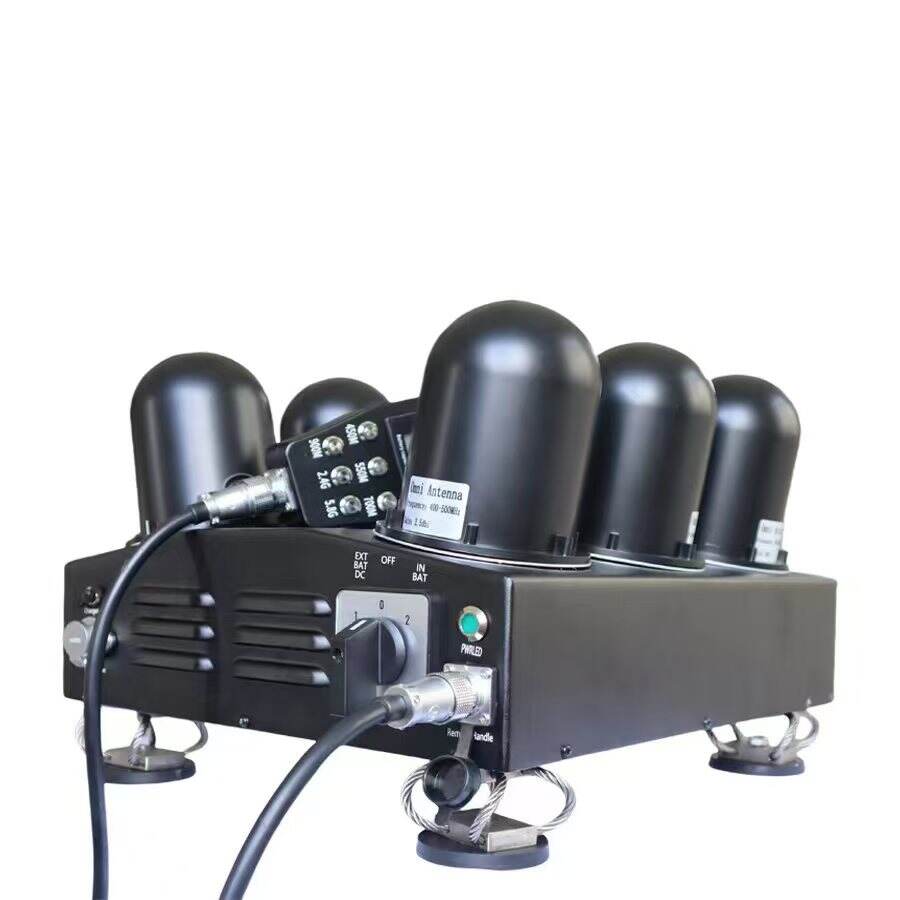
Centralized Cloud Command and Control for Multi-Site Anti-Drone Systems
How cloud-native C2 platforms unify threat detection across airports, prisons, and critical infrastructure
Cloud native command and control systems break down those pesky data silos that plague facilities spread out over different locations. They pull together information from various sources including RF detectors, radar systems, and optical sensors onto one central dashboard for operations. With this consolidated view, security personnel can spot connections between things like strange drone movements around prison walls and similar behaviors happening at nearby airports, which helps them identify potential threats much faster. The real time merging of data makes it possible to assess risks across multiple sites simultaneously, cutting down response times by about 60 according to tests done on critical infrastructure last year as reported in Security Journal. Traditional point solutions just don't cut it anymore since they operate independently. Centralized C2 platforms apply the same risk scoring rules everywhere they monitor, automatically flagging urgent threats when certain conditions are met such as unusual behavior patterns, suspicious payloads detected, or drones flying too close to important installations.
Edge-to-cloud orchestration: Balancing real-time response with network resilience in distributed anti-drone deployments
Counter drone operations need fast responses and dependable systems, which is why edge-to-cloud orchestration has become so important lately. At local level, edge nodes handle all that raw sensor information on the spot, allowing for almost instant reactions such as jamming radio frequencies or taking control via cyber means without waiting for cloud support. Meanwhile, encrypted data about threats gets sent up to the cloud too. This includes where things are happening, how they're moving, and what kind of signals we're seeing. The cloud then looks at this stuff strategically, spotting trends and connecting dots between different locations. Smart AI tools help decide what happens next with these alerts. Critical warnings get sent straight to the edge devices for immediate action, whereas broader intelligence gets fed into regional monitoring systems and helps build out longer term threat profiles. Field tests have demonstrated that this setup works well for protecting large areas like factory complexes, borders, and other spread out sites. Mesh networks built into the system automatically repair themselves when parts fail, so there's no one weak point that brings everything down.
Scalable Multi-Sensor Fusion Across Dispersed Facilities
Integrating RF, radar, EO/IR, and acoustic sensors into a unified anti-drone system architecture
Effective anti-drone protection across multiple sites needs a mix of different sensors designed for specific tasks. RF detectors pick up control signals from afar, while radar systems track drones regardless of weather conditions or lighting situations. For visual proof and identification, EO/IR cameras come into play. And when it comes to noisy urban areas or inside buildings, acoustic arrays can spot those telltale propeller sounds even amid background noise. When all these technologies work together through centralized processing, they cut down false alarms significantly compared to just using one type of sensor alone. The system basically checks multiple sources before raising any alerts, which makes things much more accurate. This flexibility means the setup works well in completely different places too. Think about how it handles the messy electromagnetic environment around airports versus the limited radio frequencies found inside prisons where signal interference is a big problem.
Open APIs and standards-based integration with existing security ecosystems (ACS, CCTV, PSIM)
Interoperability really works when we have those open interfaces that don't favor any particular vendor. Think RESTful APIs and ONVIF standards here. These let anti-drone systems work hand in hand with access control systems (ACS), CCTV networks, and those Physical Security Information Management (PSIM) platforms. What happens next? Well, the system starts responding automatically. When a drone gets detected, the CCTV kicks into auto-track mode while the ACS locks down areas. At the same time, PSIM dashboards show what's going on at every site right now. Plus, old equipment still functions properly instead of needing expensive replacements. All this creates something pretty neat—a security environment where anti-drone tech builds upon what companies already own rather than throwing away their current setup.
End-to-End Multi-Layered Defense with Seamless Cross-Site Integration
From Detection to Neutralization: How Layered Anti-Drone Systems Interoperate Under Unified Software Control
Today's multi site anti drone defenses work through a coordinated system that covers everything from spotting intruders to figuring out what kind of threat they pose and then taking action against them all managed from one central control point. Out at distant sites, radio frequency sensors give initial alerts about possible threats. Then radar steps in to track where these objects are going and how high they're flying. Thermal imaging or electro optical infrared cameras help determine if something is actually dangerous and what its purpose might be. The whole setup works better because no single component can fail completely, which matters a lot when trying to safeguard important facilities spread across different areas like power stations or railway lines.
All components feed fused intelligence into a centralized software platform that enforces consistent, site-agnostic rules. For example:
| Function | Cross-Site Advantage |
|---|---|
| Shared Threat Library | RF signatures detected at Site A trigger proactive monitoring at Site B |
| Automated Neutralization | Jammer activation protocols propagate instantly across authorized zones |
| Incident Response | Synchronized escalation workflows reduce human decision latency |
Under unified control, lightweight drones (<2kg) trigger localized, autonomous jamming—while heavier or suspicious platforms initiate centralized human-in-the-loop review. This prevents conflicting actions—such as one site jamming while another attempts cyber-takeover—and transforms geographically separate facilities into a single, responsive security domain.
FAQ
What is the benefit of centralized cloud command systems for anti-drone solutions?
Centralized cloud command systems consolidate data from different sources like RF detectors and radar systems, enabling quick threat detection and reducing response times significantly.
How does edge-to-cloud orchestration enhance anti-drone operations?
Edge-to-cloud orchestration allows for immediate local responses with raw sensor data while transferring strategic information to the cloud, enabling efficient threat assessment and management on a larger scale.
What role do various sensors play in multi-sensor fusion for anti-drone systems?
Different sensors like RF, radar, EO/IR, and acoustic sensors work together to provide accurate threat detection across various environments, minimizing false alarms.
How do open APIs facilitate integration with existing security systems?
Open APIs enable anti-drone systems to seamlessly integrate with existing security ecosystems like ACS and CCTV, enhancing the overall security infrastructure without costly replacements.