 EN
EN

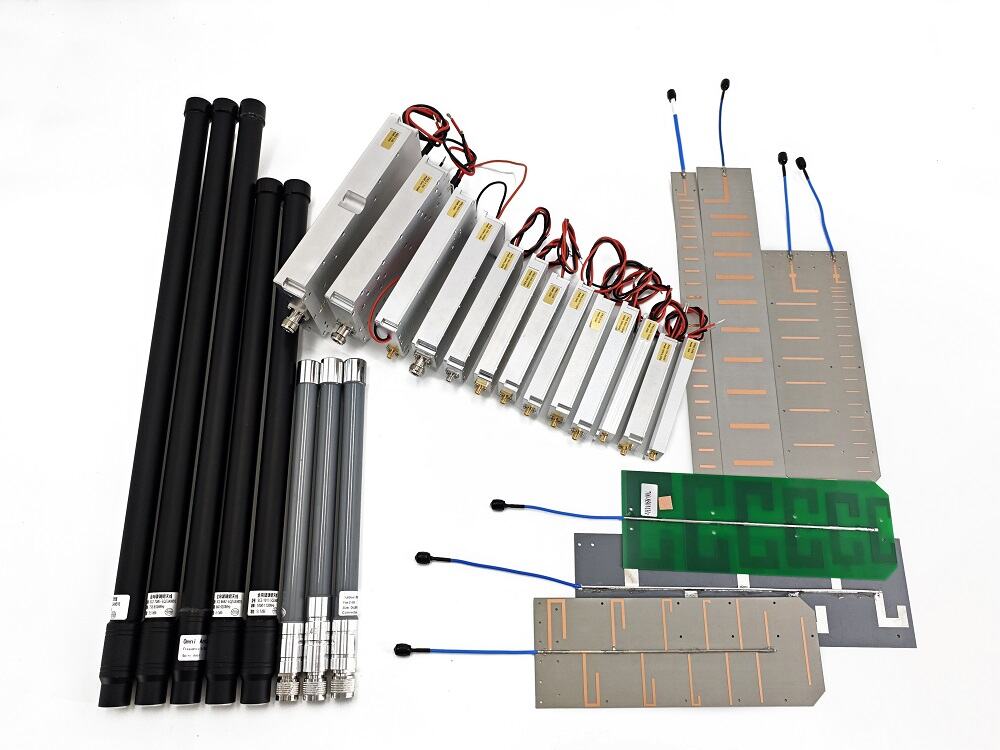
How Anti-FPV Modules Target 5.8 GHz FPV Video Transmission
Why 5.8 GHz Dominates FPV Systems—and Why It's the Primary Target for Anti-FPV Modules
Most FPV drones depend heavily on the 5.8 GHz frequency for sending video because it offers good bandwidth while keeping lag to a minimum. Plus, there's less interference than with the crowded 2.4 GHz band that handles controls. Great for flying in real time, sure, but this reliance opens up a big security hole. Those anti-FPV devices take advantage of this weakness by pumping noise into specific 5.8 GHz channels, which messes up the video stream pilots need to see where they're going. According to industry reports from last year, around 78% of all commercial FPV models still stick with 5.8 GHz as their main video channel. That makes these drones prime targets for anyone looking to disrupt operations. The physics behind it works like this: higher frequencies create tighter beams, so jammers can focus attacks on specific areas without affecting everything else nearby.
Lab vs. Field Performance: Measured Disruption Rates of Anti-FPV Modules (2022–2024)
Lab tests (2022–2024) showed anti-FPV modules achieving 95–98% disruption under controlled conditions. Real-world performance, however, is shaped by environmental variables:
| Environment | Avg. Disruption Rate | Key Limiting Factors |
|---|---|---|
| Urban | 68–72% | Signal multipath, Wi-Fi interference |
| Open Field | 85–88% | Line-of-sight obstructions |
| Forested Areas | 60–65% | Foliage absorption, terrain block |
Thermal drift is still a big problem for these devices. Portable jammers tend to drop around 15 to 20 percent of their output power after running continuously for about 8 minutes according to tests from last year. Modern systems do try to fight back against smart drones using something called dynamic frequency hopping. But there's this issue where the detection system and jammer don't quite sync up properly. There's typically a lag of about 0.3 seconds between when a drone is spotted and when the jamming starts. That tiny window lets roughly 22 percent of drones slip past the initial interference. This points to why we really need better solutions, probably ones powered by artificial intelligence that can predict where threats might come from next rather than just reacting after they appear.
Dual-Band Anti-FPV Modules: Balancing Coverage and Real-World Reliability
The Trade-Off: Simultaneous 2.4 GHz + 5.8 GHz Jamming vs. Reduced Effective Range and Synchronization Latency
Anti-FPV modules that work on both 2.4 GHz and 5.8 GHz frequencies stop drones from receiving control signals and video feeds at the same time, giving pretty good protection against most FPV threats out there. But there's always a trade off when covering such a wide range. When these devices transmit on both bands simultaneously, they spread their power thin, which means the effective range drops somewhere around 30 to 40% compared to single band systems according to field tests. There are also timing issues to worry about. The delay between the two frequency bands ranges from 0.8 to 1.2 seconds, creating brief moments where a determined operator might still get their drone back online. Heat management is another problem. Most portable units can't handle running both frequencies nonstop for very long before hitting thermal limits. Field reports show these handheld devices usually shut down automatically after about 8 to 12 minutes of continuous operation. So when choosing equipment, operators need to decide whether they want maximum spectrum coverage or something that will last through longer missions without overheating.
Directional Precision in Anti-FPV Modules: Antenna Design and Operational Effectiveness
Phased Array vs. Parabolic Horns: Beam Control, Null Steering, and Real-Time Tracking Limits
Directional antennas play a key role in focusing jamming power specifically on enemy drones while keeping nearby frequencies safe, especially those crucial 900 MHz bands used by emergency services. The phased array technology allows operators to steer beams electronically and create null zones without any mechanical components, which means they can quickly switch targets and share the airwaves better with other systems. Parabolic horn antennas offer greater signal strength but come with a downside: they need manual adjustment, which adds around 8 to 12 extra minutes when setting up in the field. Real world tests indicate these directional setups stop about 94% of First Person View drone attacks within ranges of 2 to 3 kilometers, making them three times more effective than regular omnidirectional options. There are tradeoffs though. The narrow beam angles between 45 and 90 degrees mean careful placement is necessary, and performance tends to fall off when dealing with fast moving targets going over 50 km/h. Even the advanced phased arrays have their limits too, usually needing a cooling period after about half an hour of continuous use due to heat buildup.
Portability vs. Power: Choosing the Right Anti-FPV Module for Tactical Deployment
Man-Portable Systems: Duty Cycle, Thermal Management, and Sustained Disruption Capability
Portable anti-FPV gear gives operators incredible flexibility when responding quickly to threats, whether securing perimeters or protecting VIPs. But there's always something lost when shrinking equipment down so much - usually either power output or how well it handles heat buildup. Looking at radio frequency tests done last year, most handheld units weighing under five kilograms can only reach around 300 meters before signal strength drops off significantly, while mounted systems on vehicles routinely hit over 1.2 kilometers. The biggest problem remains duty cycles. Without good heat dissipation, trying to transmit continuously at anything above 5 watts will typically force these devices into safety mode after just 5 to 7 minutes of operation. Newer models tackle this issue by incorporating copper heat pipes alongside smart power adjustments that cut back on output once internal temps near 70 degrees Celsius. This lets them stay active for about 15 minutes or more during actual field operations. When dealing with drone swarms or situations requiring prolonged interference, having proper cooling isn't just nice to have anymore. It literally determines whether operators can maintain constant jamming coverage and seal those dangerous gaps in defense.
FAQ
What frequencies do anti-FPV modules target?
Anti-FPV modules mainly target the 5.8 GHz frequency used by FPV drones, but some also target the 2.4 GHz frequency which is used for control signals.
Why is 5.8 GHz a popular frequency for FPV systems?
The 5.8 GHz frequency offers good bandwidth and low lag, making it ideal for real-time flying with less interference compared to the 2.4 GHz band.
What are the real-world challenges of using anti-FPV modules?
Real-world challenges include signal interference, synchronization issues between detection systems and jammers, and environmental factors that affect performance.
How effective are directional antennas in anti-FPV modules?
Directional antennas, especially those using phased array technology, can stop about 94% of FPV drone attacks within ranges of 2 to 3 kilometers, making them highly effective.