 EN
EN

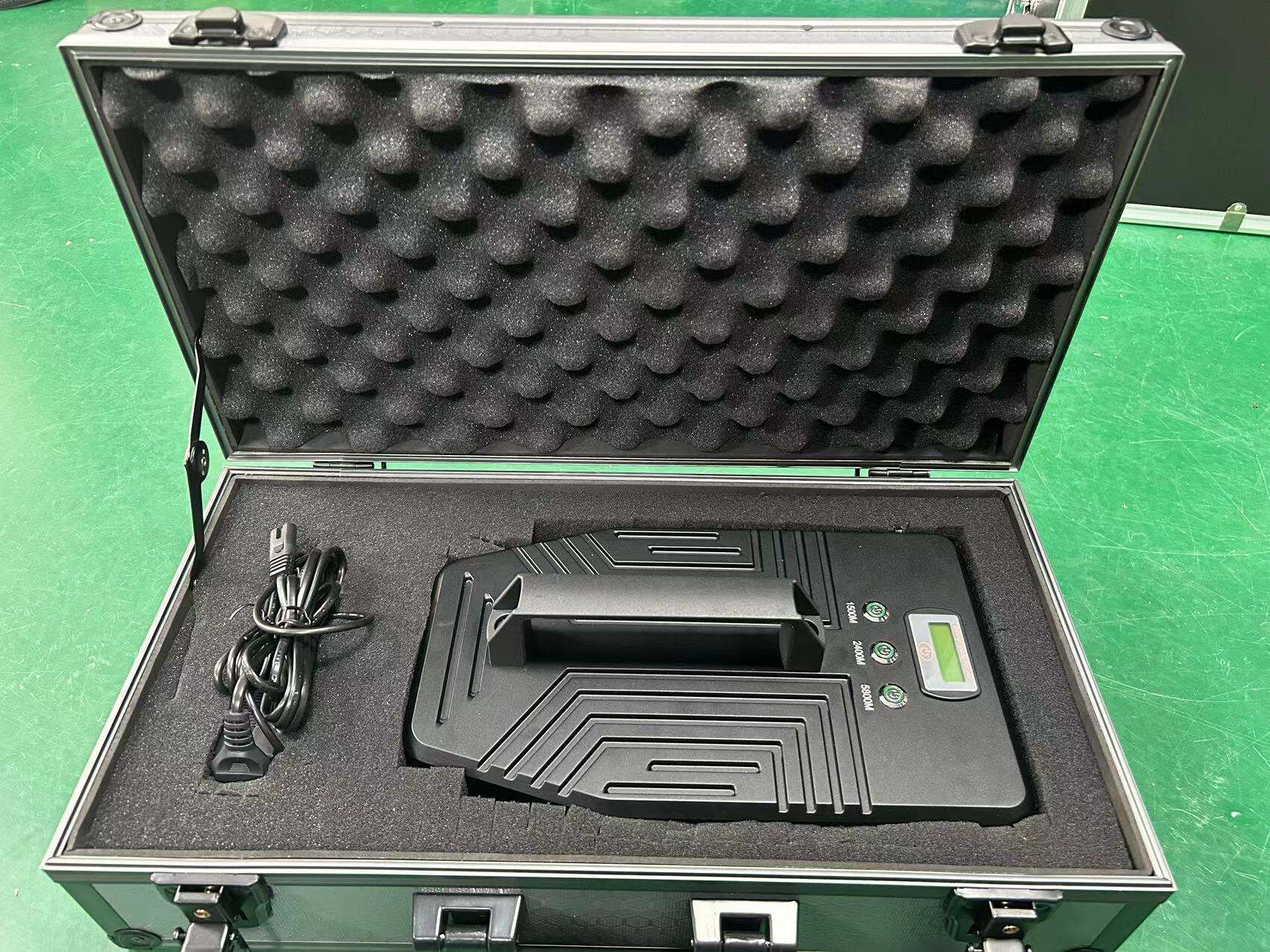
גילוי: השכבה היסודית במערכת נגד מסוקונים
מיזוג רב-חיישני (דופק רדיו, מכ"ם, תמונה אלקטרו-אופטית/תת-אדומה) לאזהרה מוקדמת אמינה
אף חיישן בודד לא מצליח לזהות באופן מהימן את כל איומי המטוסים הלא מאוישים בסביבות מורכבות. מערכות עתידיות נגד מטוסים לא מאוישים משלבות סורקים של תדר רדיו (RF), רדאר ומכונות צילום אופטו-אלקטרוניות/אינפרא אדום (EO/IR) לחלק אחד מאוחד לזיהוי. חיישני RF מזהים אותות פיקוד למרחק של עד 5 ק"מ; הרדאר עוקב אחר התנועה דרך ערפל, עשן או חשכה; ו-EO/IR מספקים אישור חזותי והבחנה תרמית. שילוב זה של מספר חיישנים יוצר כיסוי חפוף—דבר קריטי כאשר 73% מהמטוסים הלא מאוישים הלא מורשים מתנצלים נקודות עיוורון של החיישנים (מכון פונמון, דוח איומי המטוסים הלא מאוישים הגלובלי לשנת 2023 ). על ידי אימות הדדי של זרמי הנתונים, מתקנים מפחיתים את מספר המקרים בהם לא נזוהו מטוסים לא מאוישים ב-89% בהשוואה לגישות המשתמשות בחיישן בודד.
| סוג מגש | טווח זיהוי | חוזקים עיקריים | הגבלה |
|---|---|---|---|
| RF | ≤ 5 ק"מ | מזהה אותות פיקוד | מוגבל באזורים ללא אותות RF |
| רדאר | ≤ 3 ק"מ | פעילות בכל מזג האוויר | מתמודד בקושי עם מטוסים לא מאוישים איטיים ובעלי חתימה רדיאלית נמוכה (RCS) |
| EO/IR | ≤ 1 ק"מ | אימות ויזואלי ותרמי | הבחנה מופחתת בגשם כבד, שלג או ערפל צפוף |
אימות איומים מבוססת בינה מלאכותית כדי למזער התראות שווא באזורי סיכון גבוה
מיזוג חיישנים לבדו אינו מסוגל להתמודד עם התראות שווא הנגרמות על ידי ציפורים, שאריות או כלי טיס חוקיים. אלגוריתמים מבוססי בינה מלאכותית מנתחים דינמיקת טיסה, מודולציה של אותות וחתימות תרמיות בזמן אמת כדי לסווג איומים באיכות גבוהה. מודלים של למידת מכונה, המtrained על מיליוני מפגשים מאומתים עם רכבים טסים לא מאוישים (drones), מבדילים בין יחידות לשימוש אישי — אשר מאופיינות בגובה קבוע, מסלולים צפויים ופרופילי אותות צרכניים נפוצים — לבין רכבים טסים לא מאוישים אדירים, המפגינים 'השהיה', 'חקר היקף' או תנועה אקראית. כך מצמצמים את מספר ההתראות השווא ב-92% באזורים קריטיים של תשתיות, כשכל התראה שוא עולה בממוצע 740,000 דולר בהפרעות בתפעול (מכון פונמון, דוח איומי המטוסים הלא מאוישים הגלובלי לשנת 2023 ). האימות האוטומטי מבטיח שצוותי האבטחה יפעלו רק על פי מודיעין אמין וניתן לפעול עליו.
מעקב וזיהוי: המרה של זיהויים גולמיים למידע שניתן לפעול עליו
גיאומיקום תדרי רדיו (RF) ובניית מסלול טיסה מחדש לצורך ייחוס לטייס
גיאומיקום תדרי רדיו (RF) מאתר את מיקומי המטוסים הלא-מואנשים על ידי ניתוח הפרש הזמנים בין הגיעות (TDOA) ועוצמת האות דרך חיישנים מפוזרים — ומשיג דיוק של פחות ממטר גם בקניאונים עירוניים צפופים. על ידי בניית מסלולי טיסה היסטוריים מחדש מתוך 메타-דанные של האותות, צוותי אבטחה יכולים לעקוב אחר המטוסים הלא-מואנשים עד לנקודות השיגור שלהם, ולתמוך בייחוס פורנזי בסביבת אתרים רגישים כגון תחנות כוח או מתחמי ממשל. מערכות מודרניות מסיימות תהליך זה תוך 3–5 שניות מהזיהוי הראשוני; עיכובים מעבר ל-8 שניות מפחיתים את שיעור הצלחת ההתערבות ב-47% ( כתב העת לביטחון היקף , 2023).
סיווג בינה מלאכותית התנהגותית: הבחנה בין מטוסים לא-מואנשים אזרחיים, בידוריות ואויביות
בינה מלאכותית התנהגותית מפעילה ניתוח של חתימות קינמטיות — שונות מהירות, סטיות גובה, דפוסי תאוצה וזמן שהייה — כדי לסווג את כוונת המטוסים הלא מאוישים בזמן אמת. מטוסים לא מאוישים אזרחיים פועלים בדרך כלל בגובה נמוך מ-400 רגל, במהירות יציבה ובהתוקף מינימלי של התיקון הנתיב, בעוד יחידות עוינות מציגות "חתימות חשודות": תנועה זיגזגית מהירה בקרבת אזורים מוגבלים באוויר, שהייה ממושכת מעל נכסים או מסלולי ירידה פתאומיים שמתאימים לפריסה של מטען. במהלך ניסויי התאמה בינלאומית שנערכו על ידי נאט"ו בשנת 2023, אחת מערכות הנגד-מטוסים המשולבות השיגה דיוק של 94% בסיווג מטוסים לא מאוישים למסירה מסחריים לעומת כלי טיס לא מאוישים למטרות ריגול מיוחדים — מה שמאפשר הענקת תגובה מדויקת והדרגתית ללא הפרעה לפעולות חוקיות.
אשכול מניעת סיכונים: אסטרטגיות נייטרול מדויקות להגנה על מתקנים רגישים
שיטות לא קינטיות: עקירת תדרי רדיו (RF Jamming) והטעיית מערכת ה-GPS בסביבות מחוקקות
אמצעי נגד לא קינטיים מהווים את שכבת התגובה הראשונית במערכות מודרניות נגד רחפנים — ומעדיפים הפרעה הפיכה, עם נזק צדדי מינימלי, על הרס. חסימת תדרים (RF jamming) פועלת באופן סלקטיבי כדי לשבש את קשרי הפקודה והבקרה באמצעות רעש צר-פסה, מה שמביא להפעלת פרוטוקולים אוטומטיים של נחיתה או החזרה לנקודת המוצא. הטעיה של GPS משדרת אותות ניווט מזויפים כדי לנהל את הרחפנים בבטחה מחוץ למרחב האווירי המוגן. שיטות אלו מהוות את האמצעי הנפוץ ביותר בשימוש בסמוך לשדות תעופה, בתי סוהר, אצטדיונים ומתקנים ממשלתיים — שם 78% מהמקרים של חדירת רחפנים לא מורשית מתרחשים בתוך רדיוס של 5 ק"מ מהתשתיות הקריטיות ( משרד הביטחון הפנימי של ארצות הברית, ניתוח מקרי מערכות כלי טיס בלתי מאוישים לשנת 2023 ). ההתאמה שלהם לתקנות והסיכון המשפטי הנמוך יחסית שהן מציבות הופכים אותם לתגובה הראשונה המובילה בסביבות אזרחיות ובסביבות משולבות.
אפשרויות קינטיות: אקדחי רשת ואנרגיה ממוקדת — מתי ואיפה הם מוצבים
כאשר אמצעי אי-תנודתיות נכשלים — או נגד רכבים טיסים אוטונומיים, מחוסנים או בעלי יכולת תקיפת עדר — אמצעי תנודתיות מספקים נייטרול מוחלט. מערכות רשתות שמיועדות לפריסה תופסות יעד באוויר באמצעות תותחים פרויקטיליים או רכבים טיסים מתנגחים, ומספקות אמינות גבוהה לבסיסים צבאיים ומתקנים מרוחקים. נשק אנרגיה ממורכז (DEWs), כגון פולטות מיקרוגל בעוצמה גבוהה, מבטלות את האלקטרוניקה המותקנת על היעד באמצעות פולסי אלקטרומגנטיקה ממורכזים — והוכחה כיעילה נגד עדרים מתואמים במעברות גבול. בשל דרישות בטיחות קפדניות — כולל אזורים מוגבלים מינימליים של 500 מטר לפי הנחיות משרד ההגנה של ארצות הברית — נשק אנרגיה ממורכז מוגבל לשימוש בסביבות מבוקרות ומבוזרות. פריסת המערך ככוח רזרבה אסטרטגית מבטיחה שמתקנים רגישים שומרים על גמישות תגובה מרובה שכבות ללא פגיעה בהמשך פעילותם היומיומית.
אינטגרציה ועמידות: שילוב מערכת ניגוד לרכיבים טיסים בתפעול האבטחה הכולל של המתקן
הגנה אמיתית נוצרת כאשר הגנת הרחפנים עוברת מטכנולוגיה מבודדת למבנה אבטחה מחובר. מערכות נפרדות נגד רחפנים יוצרות פערים מסוכנים בהבחנה, בעוד ששלבם למערכות קיימות—כגון מערכות ניהול וידאו (VMS) ותוכנות ניהול מידע אבטחה פיזית (PSIM)—מאפשר אוטומציה של תגובות לאויבים תוך התחשבות בהקשר. לאחר זיהוי, המערכת יכולה להפעיל מיידית נעילת גדר, כיוון מצלמות עם תפקידי סיבוב-הטיה-זום לעקוב אחר המטרות, הפעלת התראות קוליות, ושליחת התראות דרך לוחות בקרה מאוחדים—וזה מסיר את הצורך באיחוד ידני של נתונים בין כלים מבודדים. מתקנים שאמצו ארכיטקטורות מאוחדות דיווחו על הפחתה של 40% בזמן האישור והנטרול של איומים, וכן על הפחתה משמעותית בשגיאות אנושיות במהלך אירועים בעלי לחץ גבוה. עמידות נוספת דורשת עדכונים מתמידים של אמצעי הנגד—שהם מנוהלים על ידי זרמי מודיעין על איומים ובאמצעות בדיקות של צוות 'אדום'—כדי לשמור על יעילות נגד טקטיקות מתפתחות, כולל הסתתרות המופעלת ב-AI, קישורים מבוקרים מוצפנים ותיאום תמרורים מותאם.
שאלה נפוצה
למה שילוב רב-חיישנים הוא חשוב במערכות נגד רכבים טיסים לא מאוישים?
שילוב רב-חיישנים משלב סורקים לתחום התדרים הרדיו (RF), מכ"ם ומכונות צילום אופטיות/אינפרא אדום (EO/IR) כדי להתמודד עם נקודות עיוורון של חיישנים ולשפר את אמינות זיהוי בסביבות מגוונות, ובכך מקטין את מספר המקרים שבהם לא מזוהה רכב טיס לא מאויש ב-89% בהשוואה למערכות עם חיישן יחיד.
איך הבינה המלאכותית מפחיתה התרעות שווא בזיהוי רכבים טיסים לא מאוישים?
אלגוריתמים של בינה מלאכותית מנתחים דינמיקת טיסה, מודולציה של אותות וחתימות תרמיות כדי להבחין בין כלי טיס חוקיים לבין רכבים טיסים לא מאוישים אגרסיביים, ובכך מפחיתים את ההתרעות השוואיות ב-92% באזורים מסוכנים במיוחד.
מה הם אמצעי הנגד הלא קינטיים במערכות נגד רכבים טיסים לא מאוישים?
אמצעי נגד לא קינטיים כגון הפרעה בתחומי תדרי הרדיו (RF jamming) והטעיה של מערכת ה-GPS מפריעים לפעולת הרכבים הטיסים ללא הרס, מה שהופך אותם לאידיאליים לסביבות נתונות לווסת, כגון נמלי תעופה ומתקני ממשל.
מתי משתמשים באמצעי נגד קינטיים?
פתרונות קינטיים כגון אקדחים לזריקת רשתות ואسلת אנרגיה ממוקדת משומשים נגד רכבים טיסים לא מאוישים חזקים, אוטונומיים או בעלי יכולת פעולת עדר, כאשר אמצעי הנגד הלא קינטיים אינם יוצרים את האפקט הרצוי.
אילו יתרונות מספקות מערכות אינטגרטיביות נגד מטוסים ללא טייס?
מערכות אינטגרטיביות משפרות את האבטחה על ידי אוטומציה של תגובות לגילוי, הפחתת שגיאות אנושיות והפעלת שיתוף פעולה חלק עם פלטפורמות אבטחה קיימות, מה שמבטיח נייטרול איום מהיר ויעיל יותר.