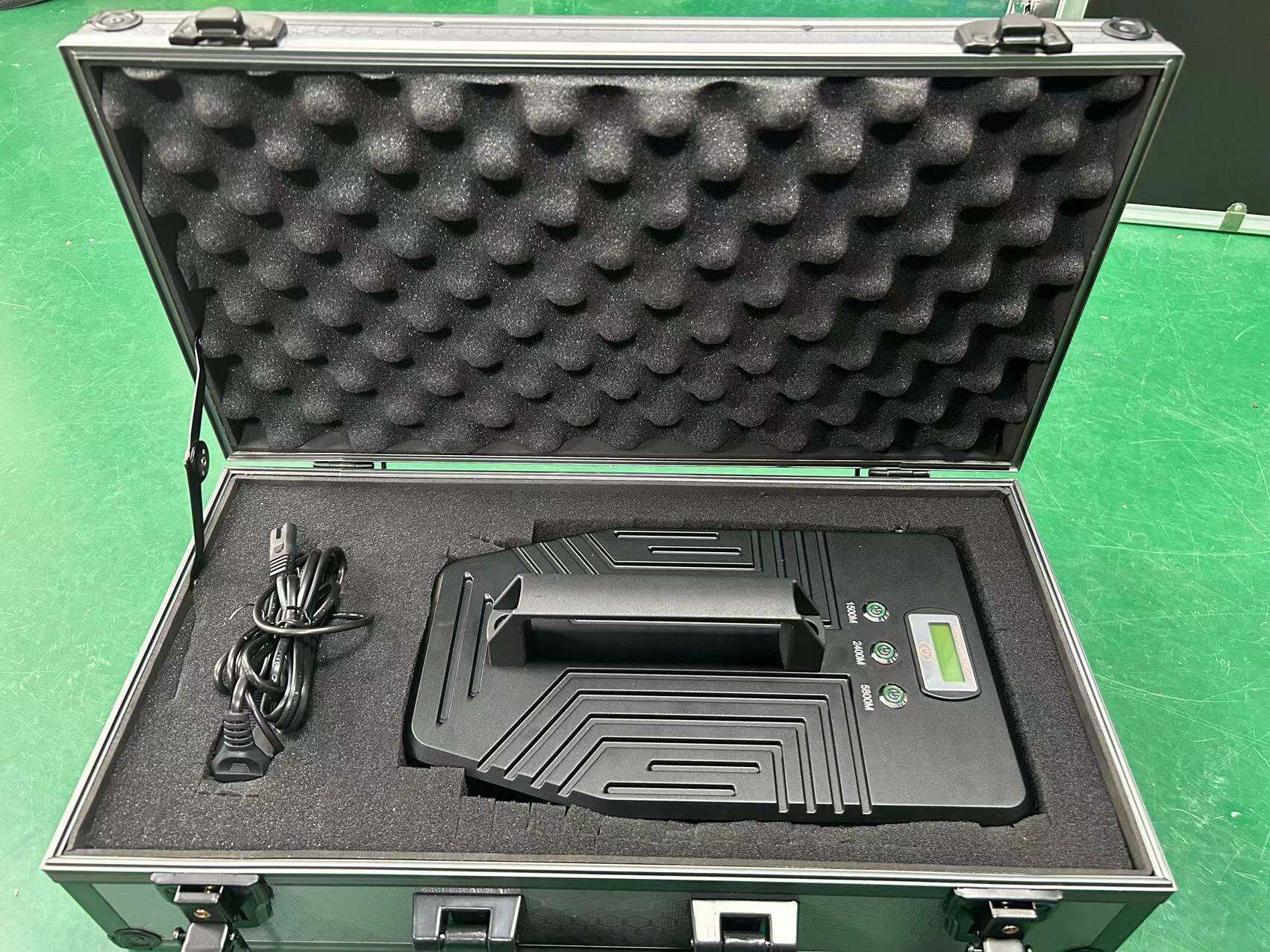
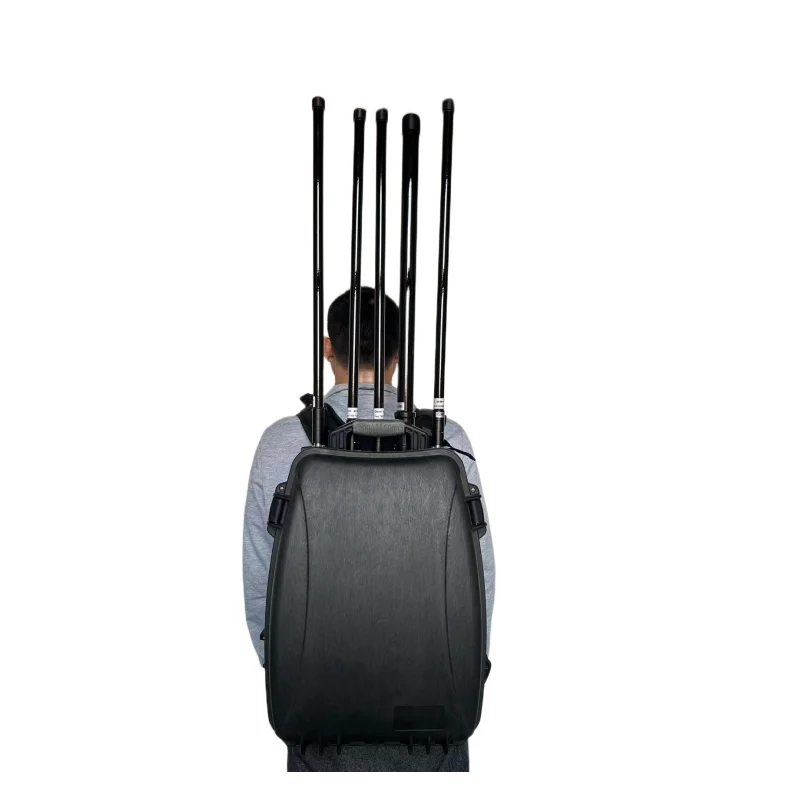
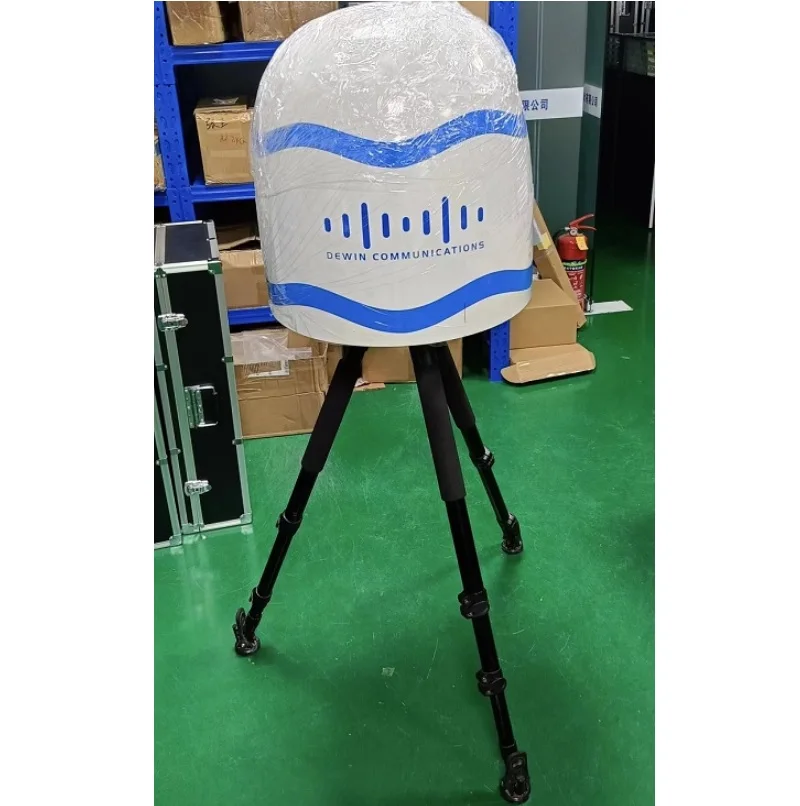
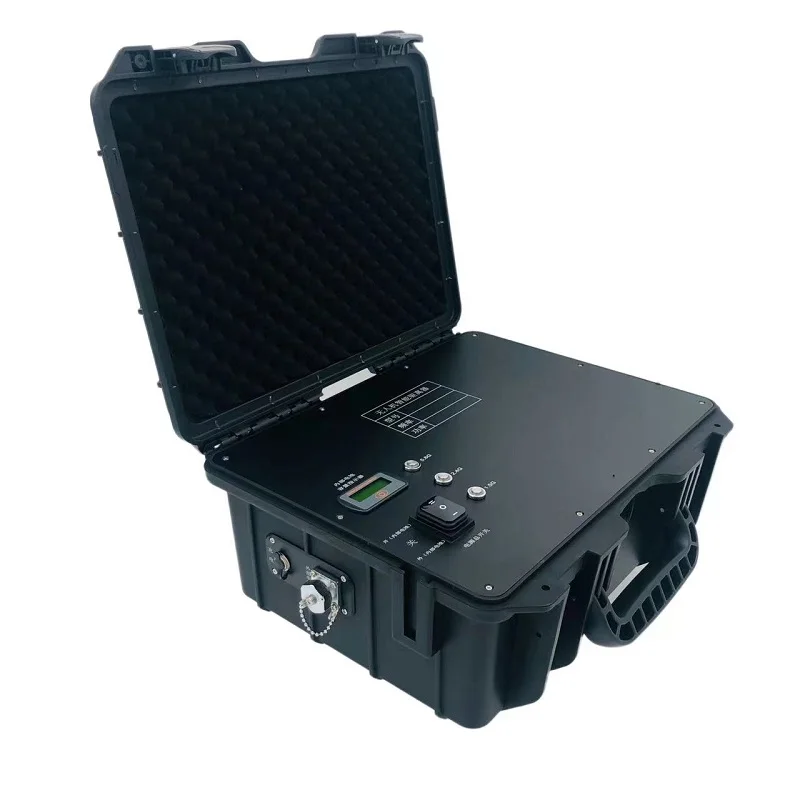
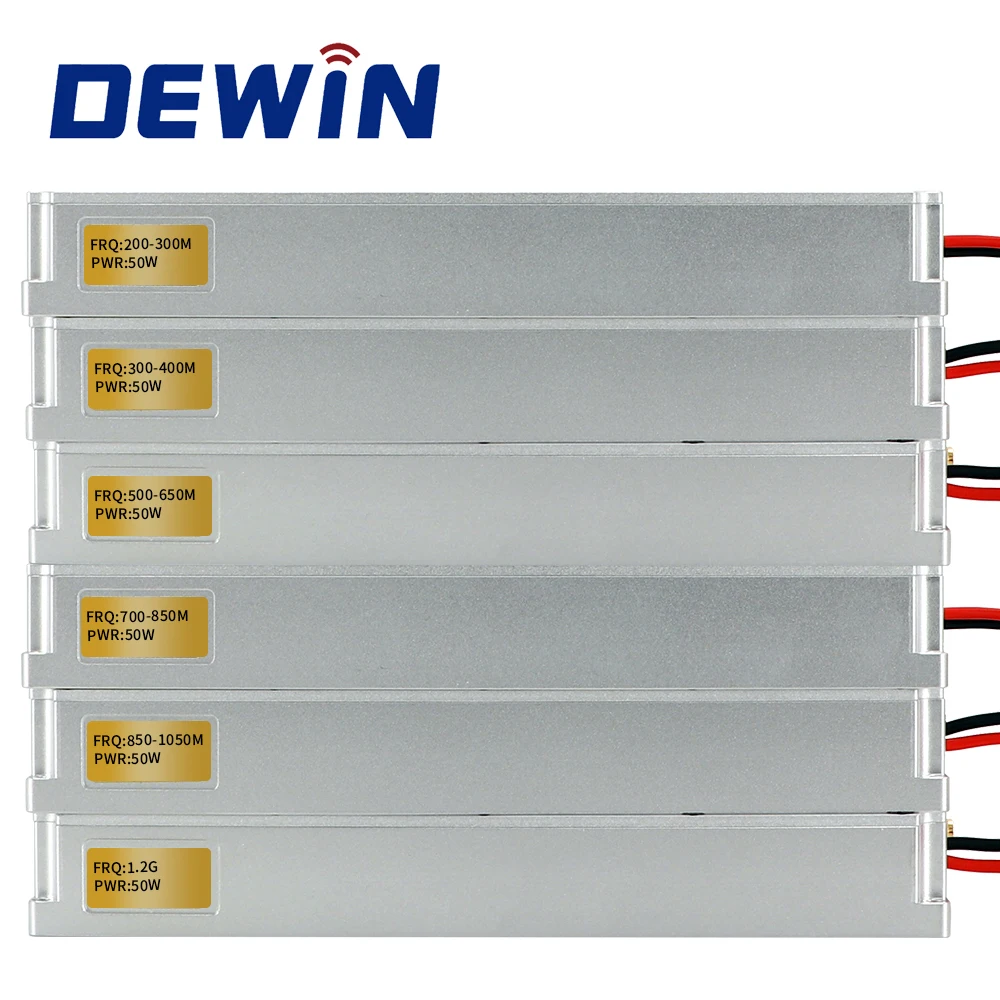
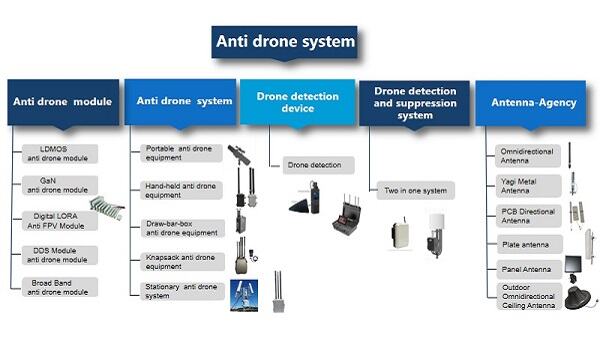
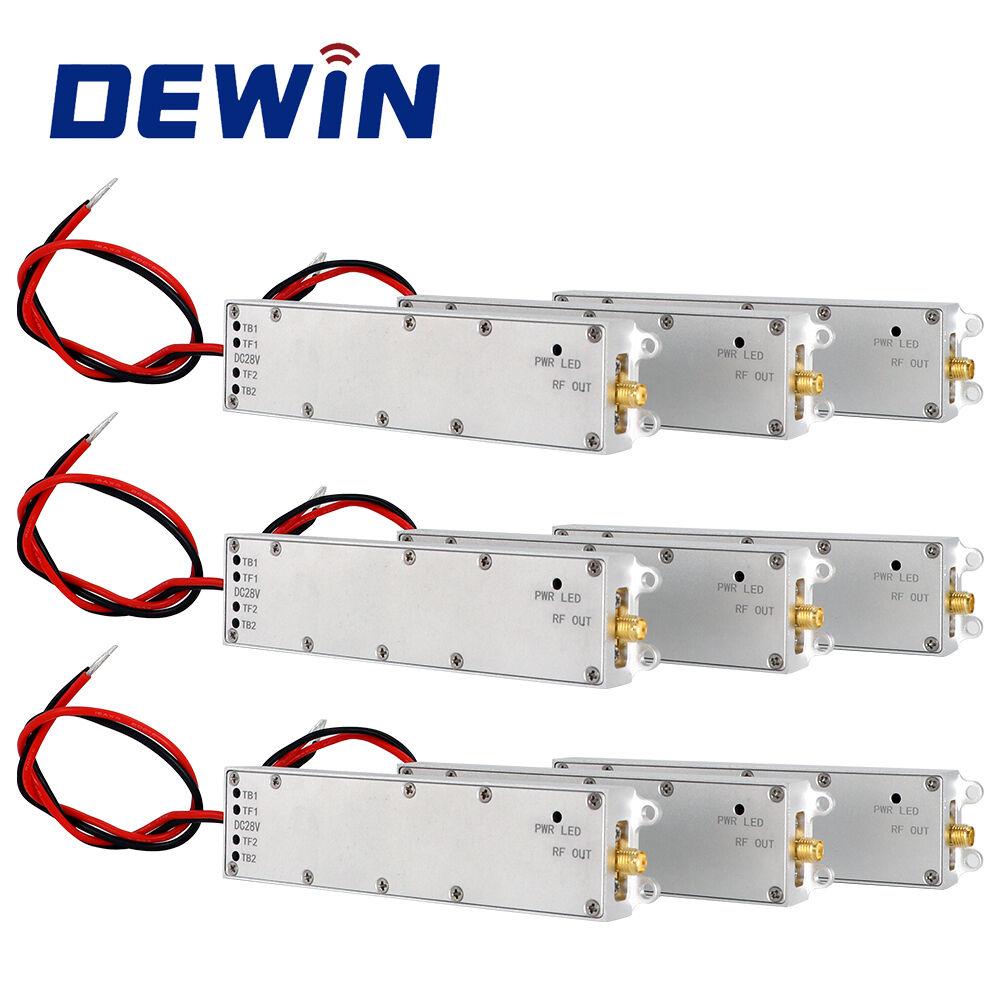
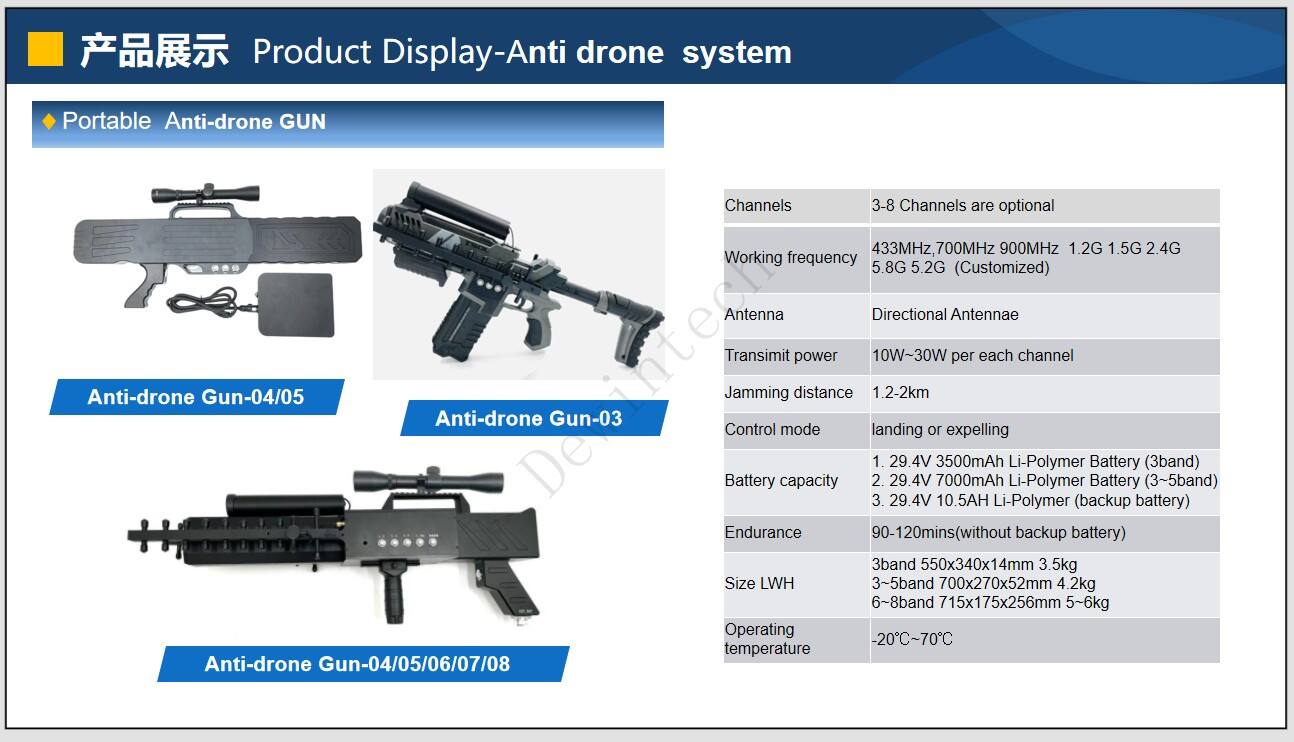
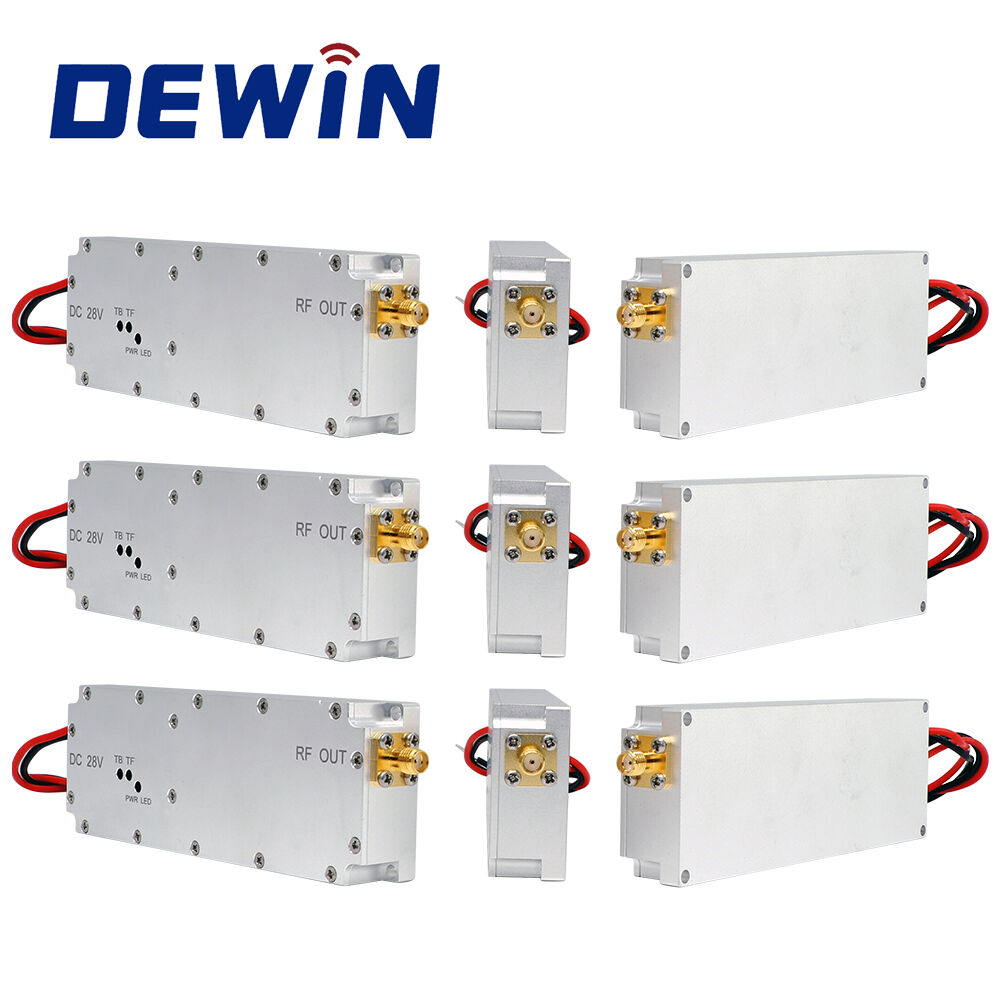
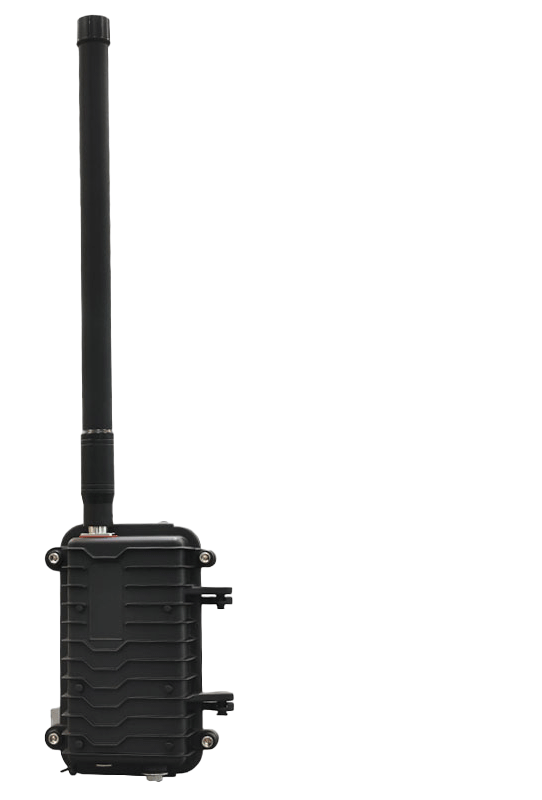
The unauthorized use of drones near airports, critical national infrastructure, and crowded venues poses a severe risk to public safety and operational continuity. To address this, anti-drone systems have evolved into sophisticated, networked defenses. RF-based neutralization is a key pillar of these defenses. The principle involves transmitting a powerful, targeted RF signal to disrupt the critical links a drone relies on: the command link and the navigation link. By jamming the command link, the operator loses control. By jamming the GNSS link (e.g., GPS), the drone is deprived of its positional reference, preventing it from executing its pre-programmed flight path. The heart of an effective RF jammer is its power amplifier chain. These amplifiers must be broadband to cover multiple potential threat frequencies simultaneously, yet efficient to manage power consumption and heat dissipation. Technologies like GaN (Gallium Nitride) are increasingly favored for their high power density and efficiency, enabling more compact and powerful jamming systems. The design must also consider signal agility and modulation capabilities to counter frequency-hopping and encrypted drones. For instance, protecting a large industrial facility like a mining operation or a chemical plant requires a system with a long range and wide angular coverage, often achieved through a multi-antenna array driven by high-power amplifiers. The system must be resilient, operating reliably in temperature extremes from desert heat to arctic cold. We specialize in the advanced RF component technology that enables such robust performance. Our engineers can provide insights into the amplifier requirements for fixed-site, mobile, and handheld jamming solutions. For detailed information on how our technology can be applied to create an effective anti-drone shield for your property or event, we invite you to contact us for a professional assessment.