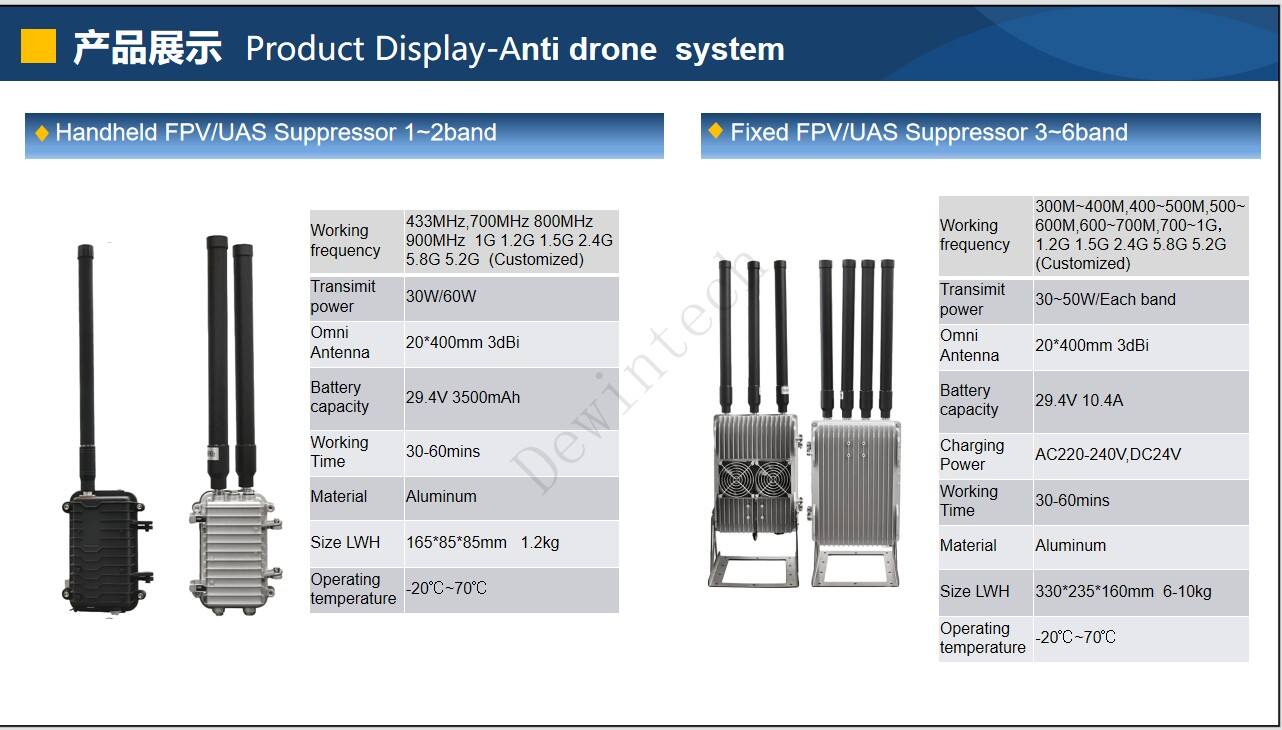
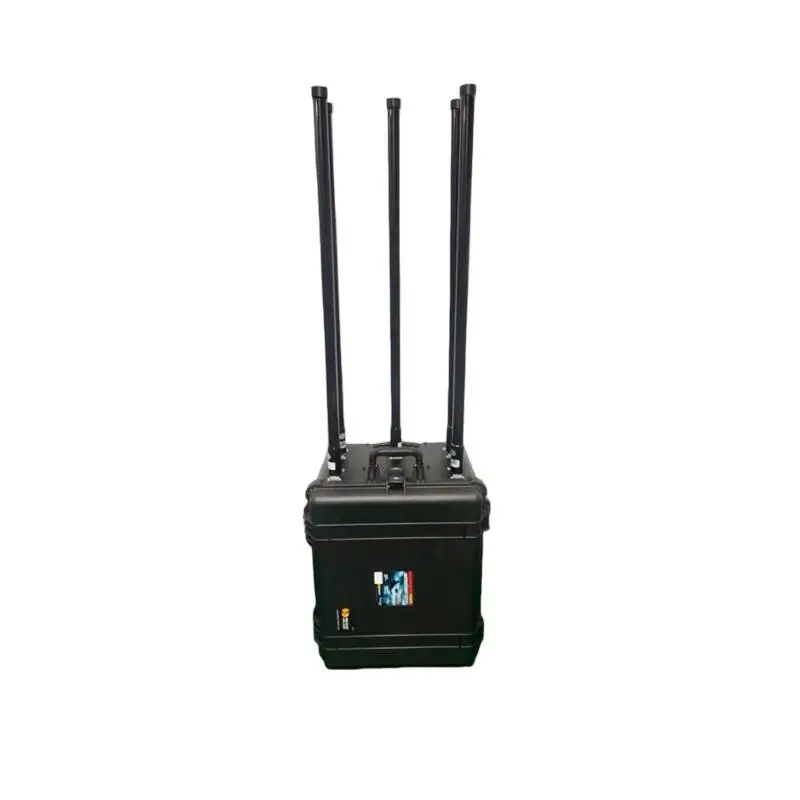
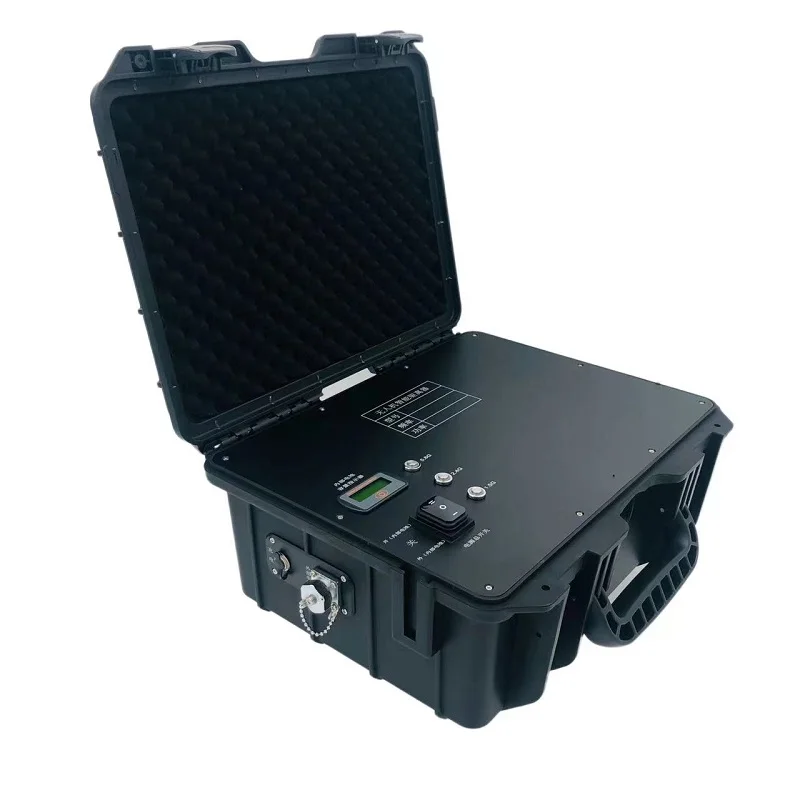
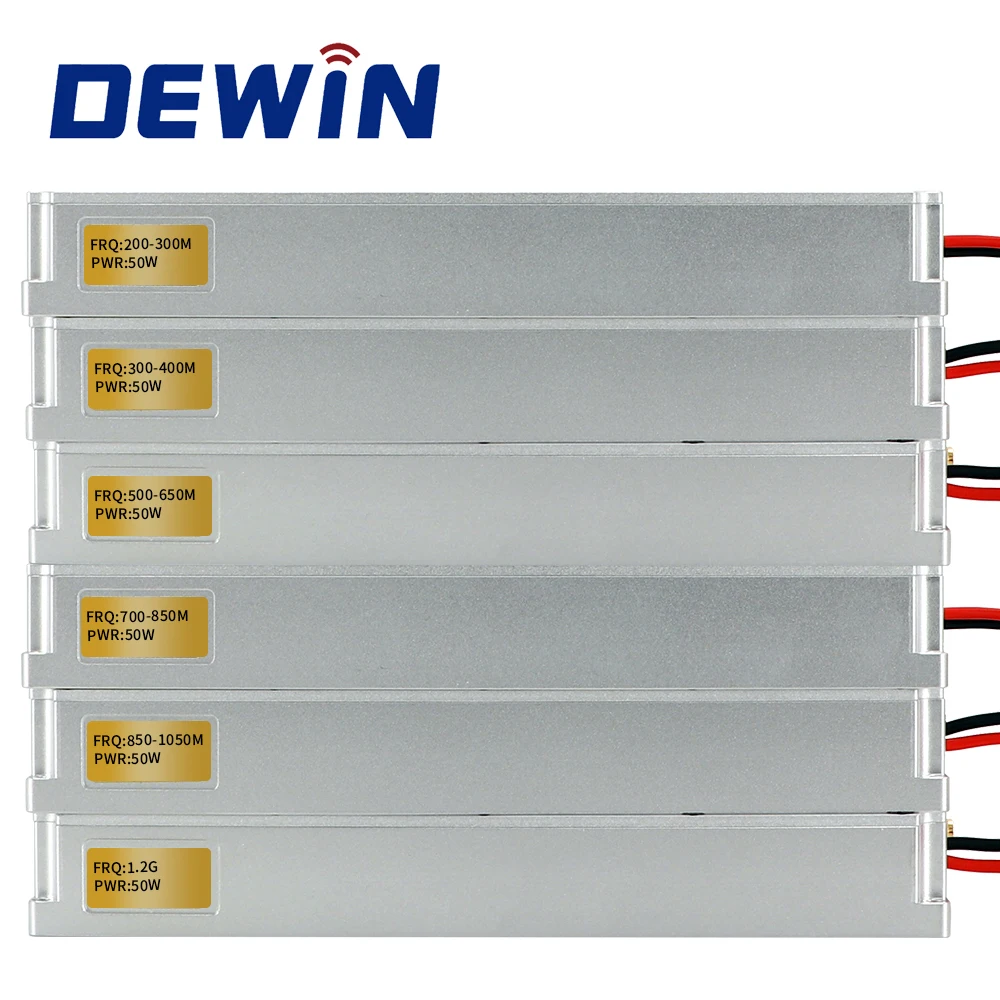
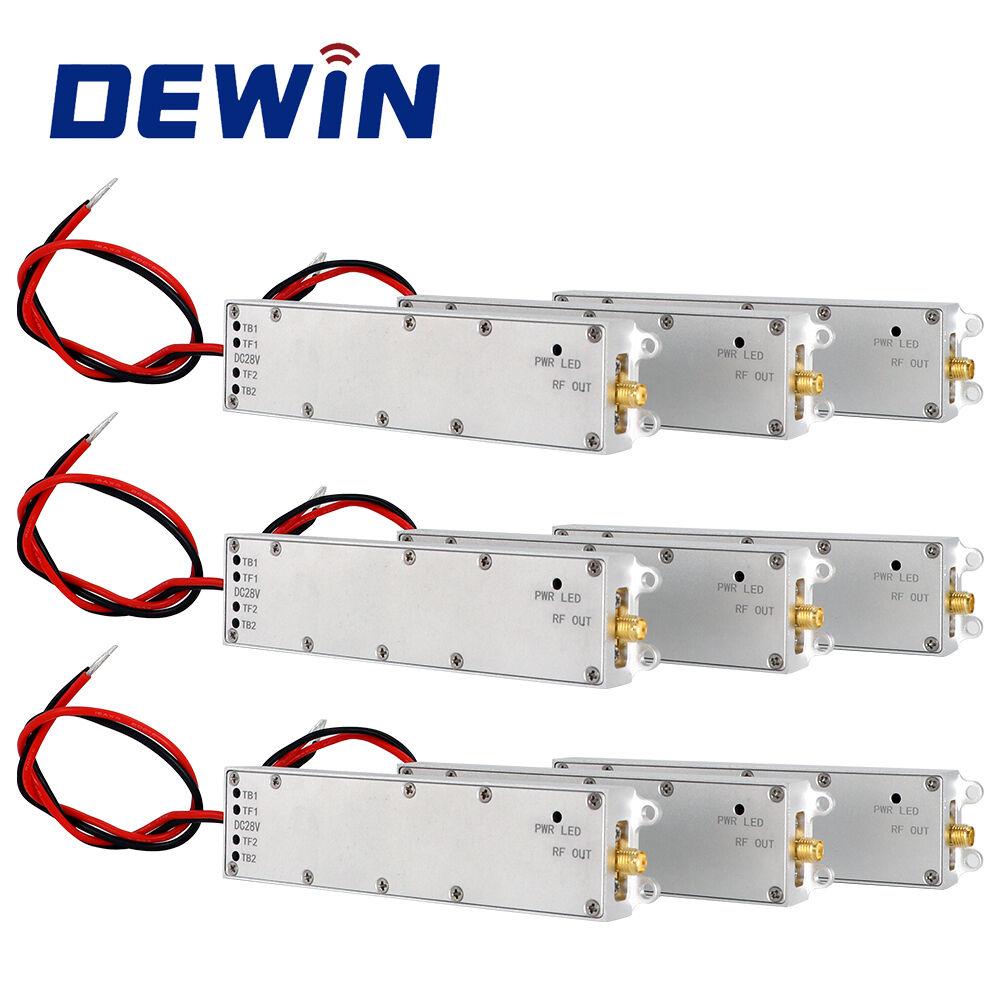
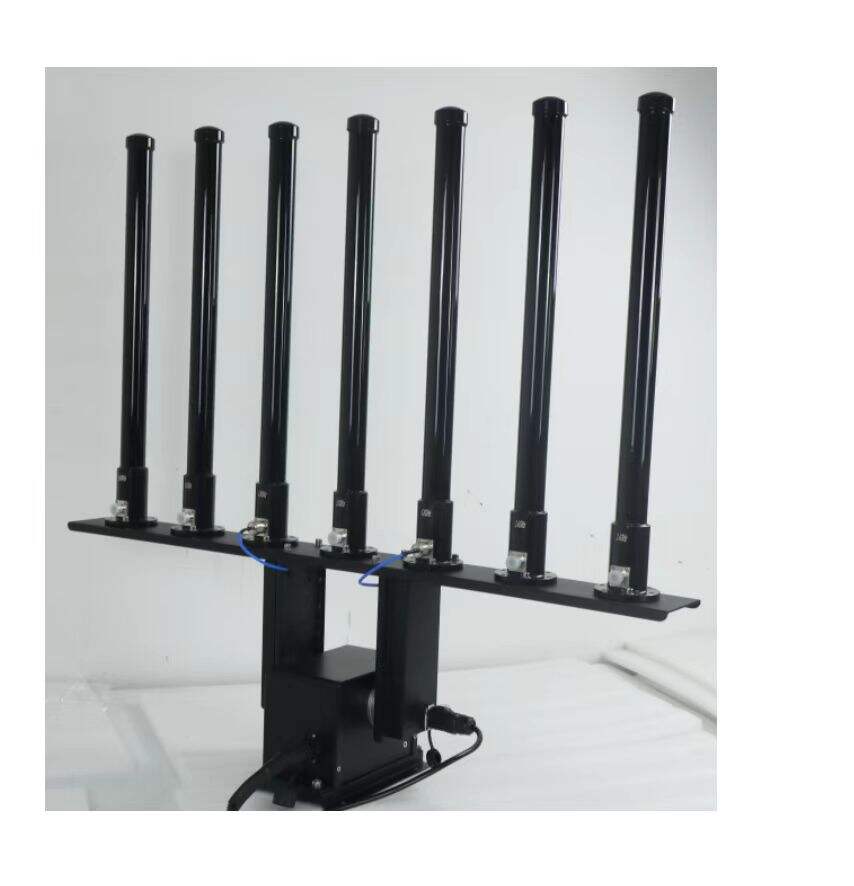
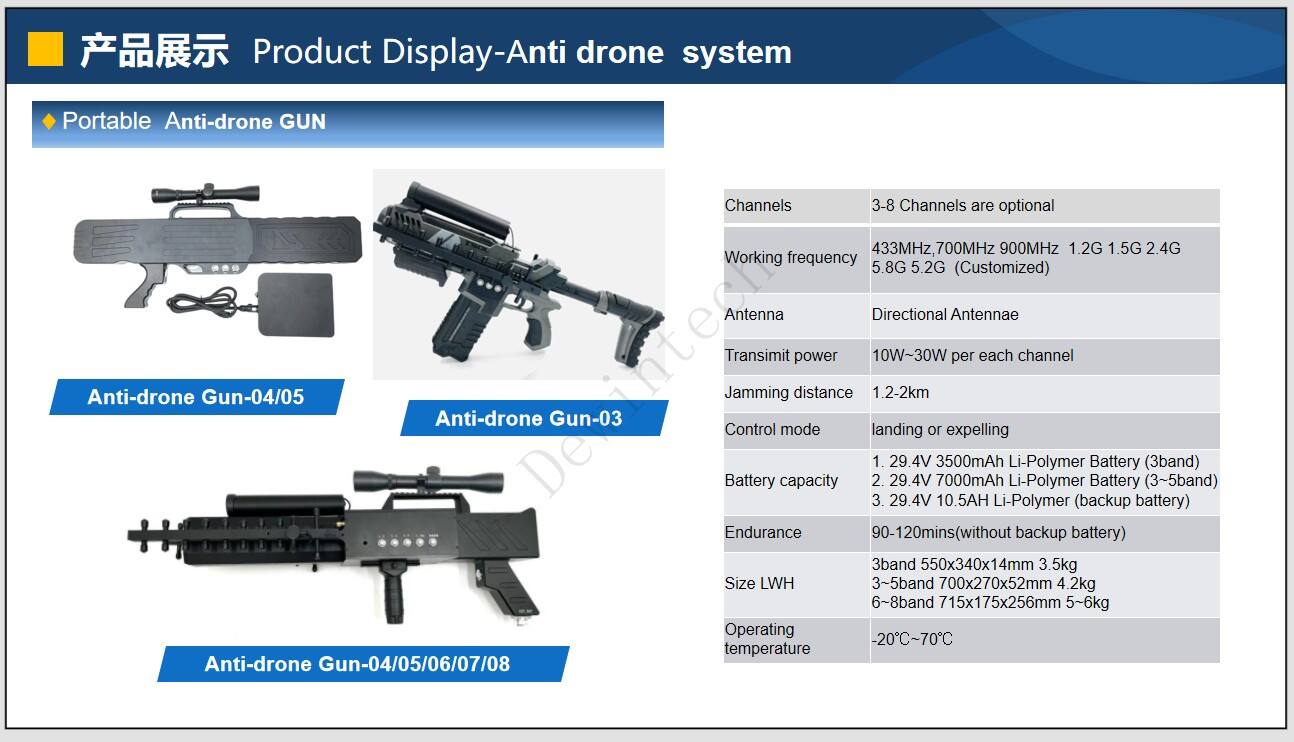
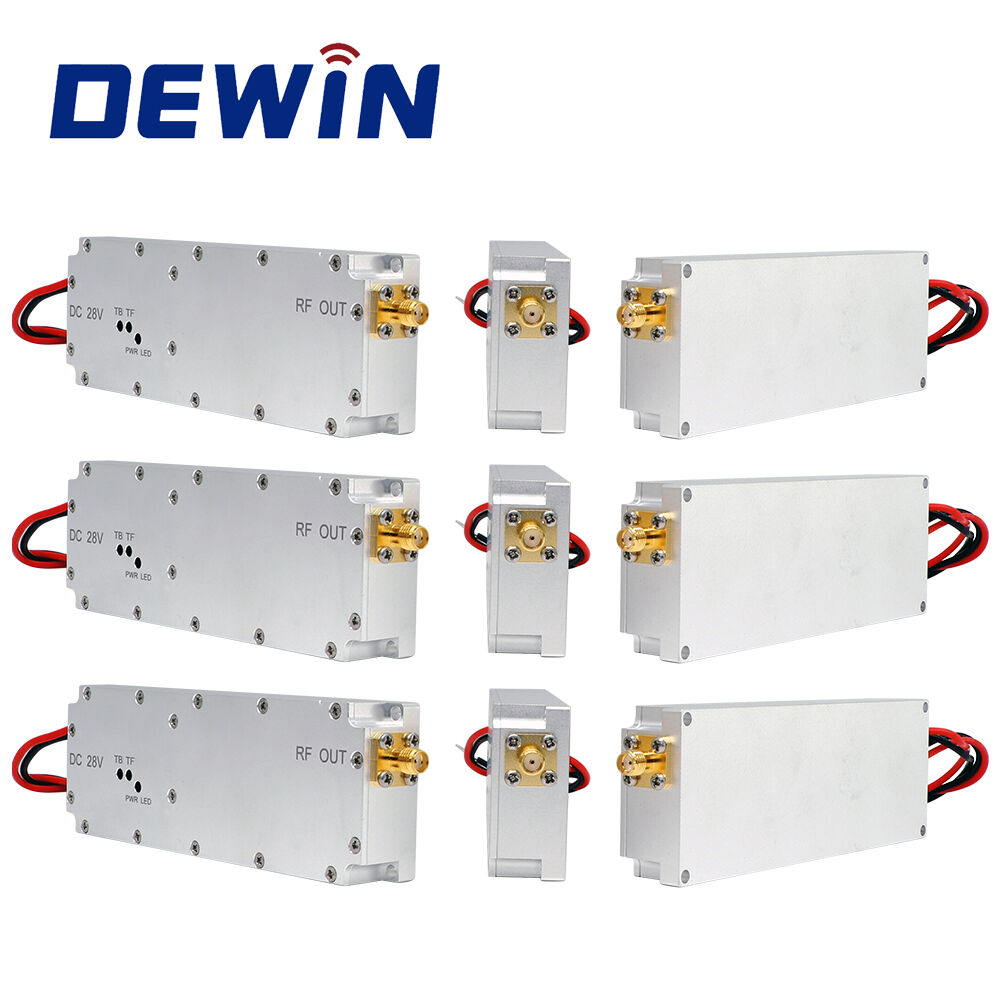
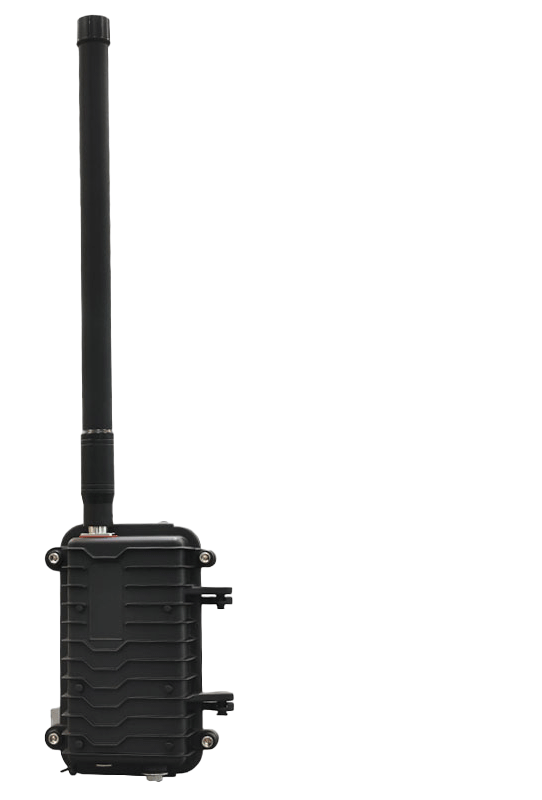
The proliferation of unmanned aerial vehicles (UAVs), or drones, presents significant security challenges for critical infrastructure, public safety, and privacy. Effective counter-drone, or anti-drone, systems are essential to detect, track, identify, and mitigate unauthorized or malicious drone incursions. These systems rely on a multi-layered technological approach, often incorporating radar, radio frequency (RF) signal analysis, electro-optical/infrared (EO/IR) sensors, and acoustic detection to provide comprehensive coverage. The mitigation component is particularly critical, requiring robust and highly specialized electronic countermeasures to neutralize threats. This is where advanced RF technology plays a pivotal role. Sophisticated jamming systems transmit high-power, directed radio signals toward the target drone, disrupting the command and control link between the drone and its operator and/or interfering with the drone's Global Navigation Satellite System (GNSS) reception, such as GPS or GLONASS. This disruption effectively forces the drone into a failsafe mode, typically triggering an automatic landing or a return-to-home function, thereby preventing it from reaching its intended target. The efficacy of such jamming systems is fundamentally dependent on the performance of their core component: the RF microwave power amplifier. These amplifiers must generate sufficient output power across specific frequency bands used by common drones to overwhelm their receivers at a safe distance. Furthermore, they must operate with high linearity and efficiency to ensure clean signal transmission and minimize interference with adjacent, non-targeted communication systems. The operational requirements are demanding, necessitating amplifiers that can cover a broad frequency spectrum, from the common control bands like 2.4GHz and 5.8GHz to various GNSS frequencies, and deliver high power output to achieve the necessary jamming radius. Environmental resilience is also non-negotiable, as these systems are often deployed in harsh outdoor conditions and must maintain stable performance across wide temperature fluctuations and other environmental stressors. For applications in securing government facilities, protecting large-scale public events like international summits or sports games, and safeguarding sensitive industrial sites such as chemical plants or energy substations, a reliable anti-drone jamming solution is indispensable. The ability to customize the RF output power, frequency coverage, and antenna configuration allows for the creation of a tailored defense perimeter. We possess deep expertise in the RF technologies that form the backbone of modern counter-UAV electronic attack systems. To discuss your specific anti-drone requirements and explore how our advanced RF solutions can be integrated into your security framework, please contact our technical team for a detailed consultation and system specification guide.