Why Choose Us?
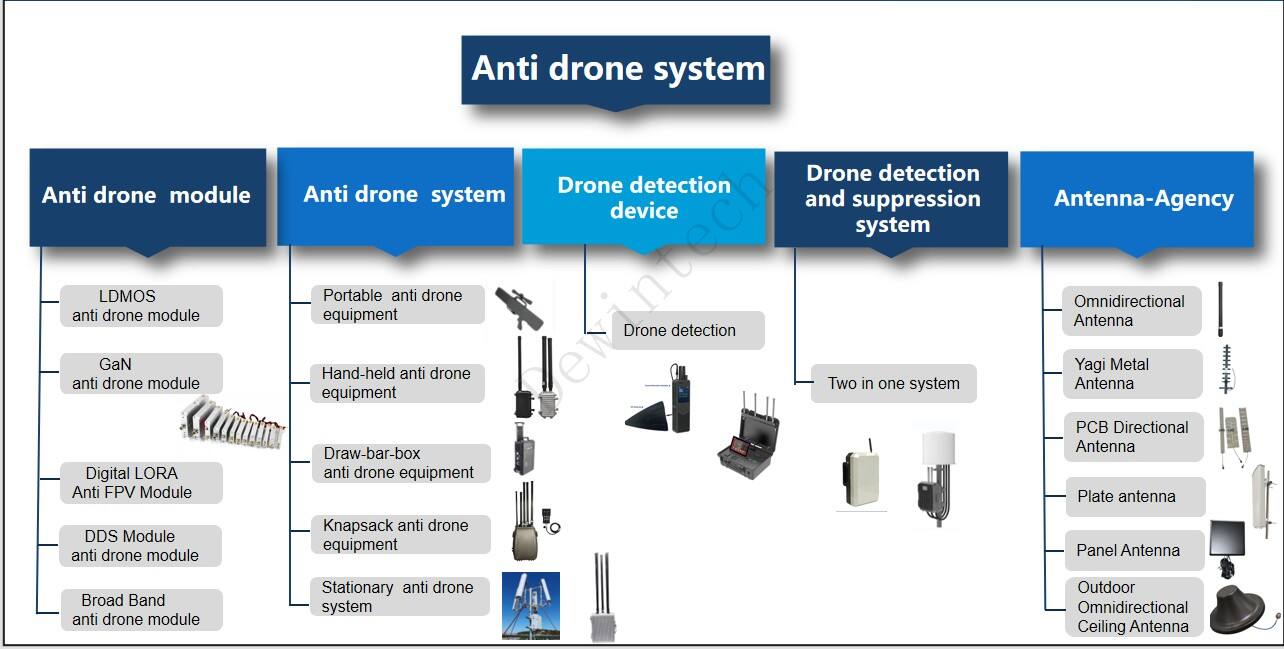
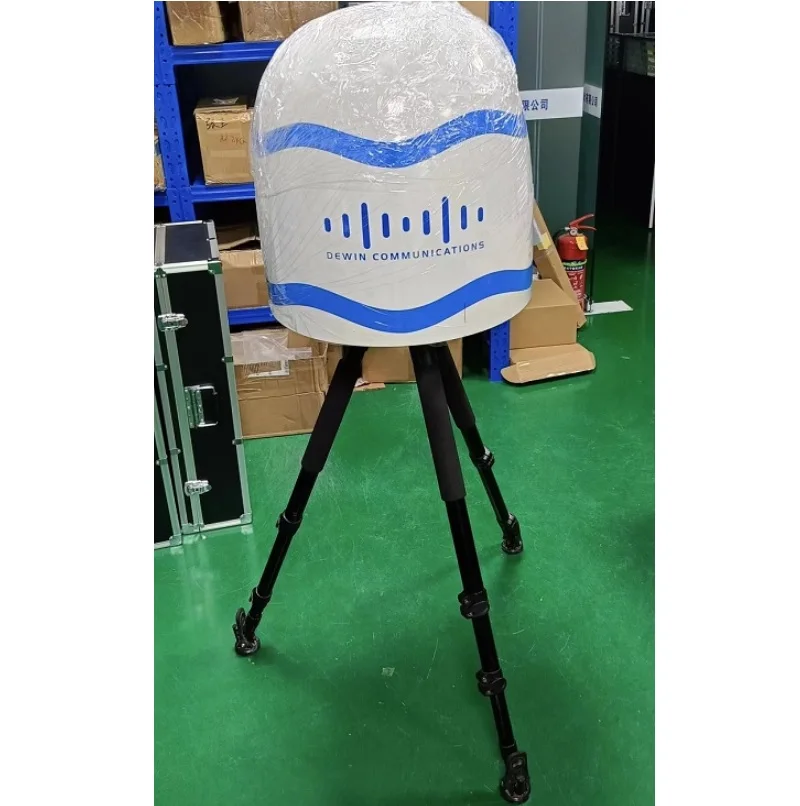
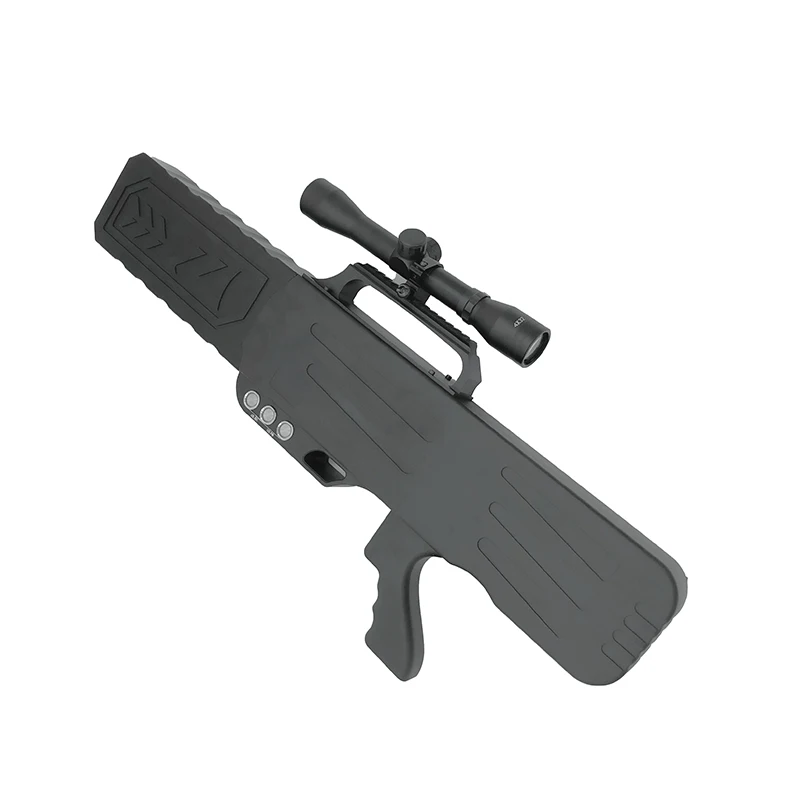
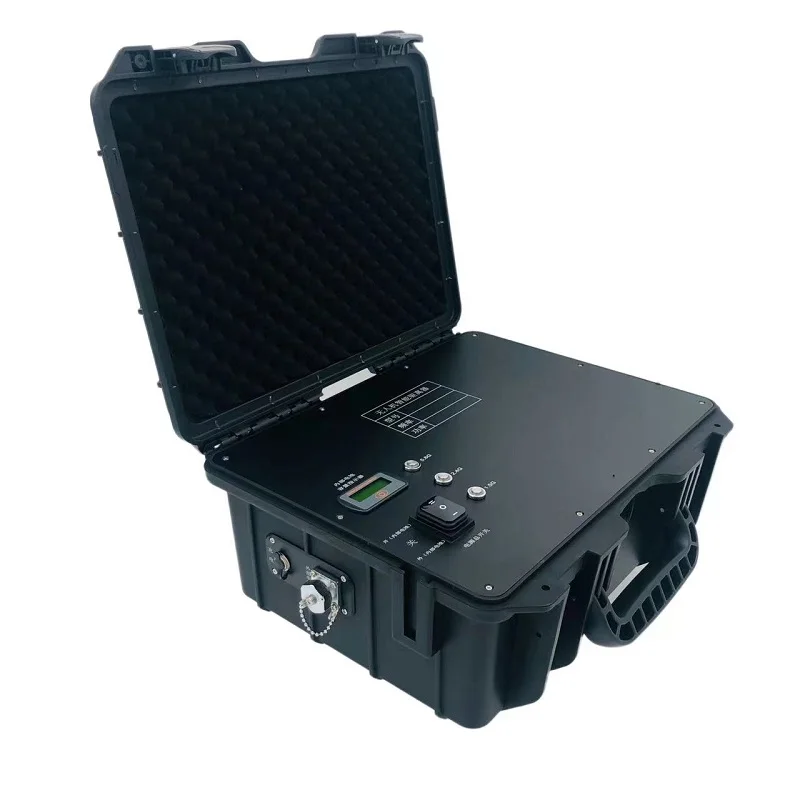
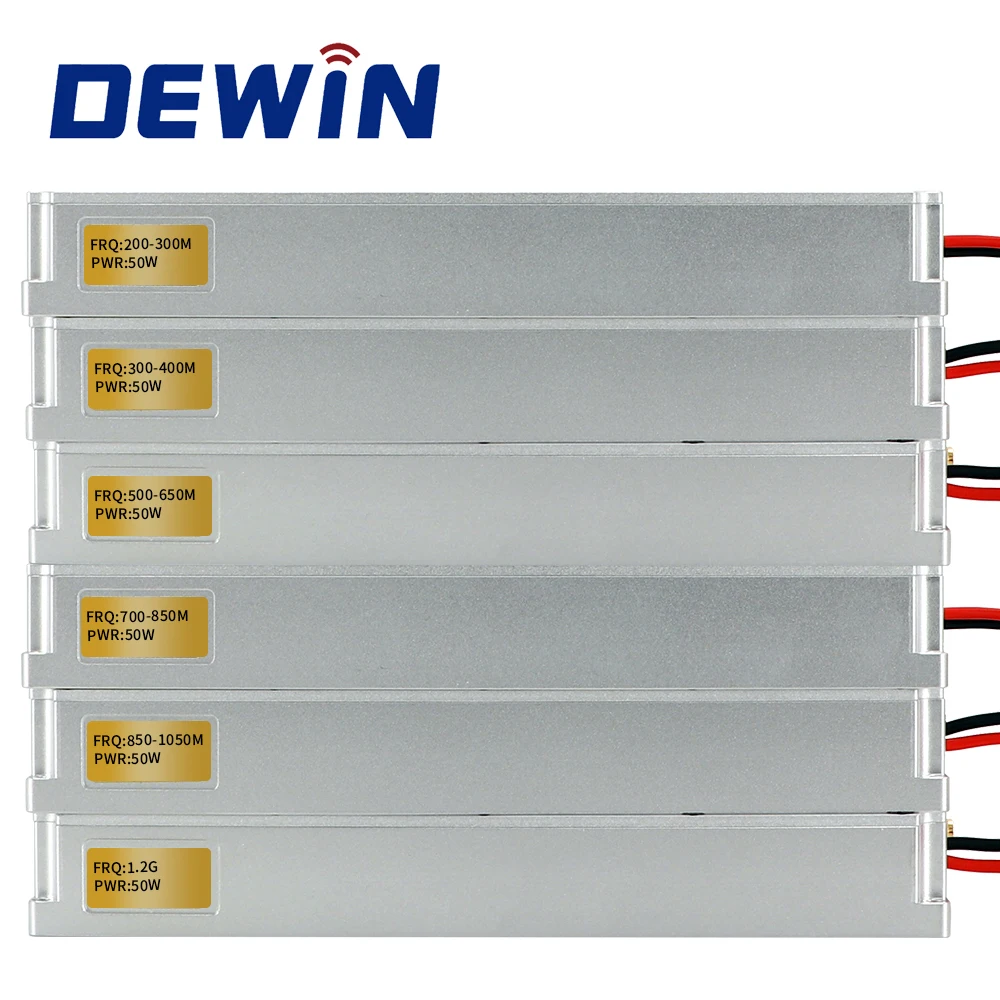
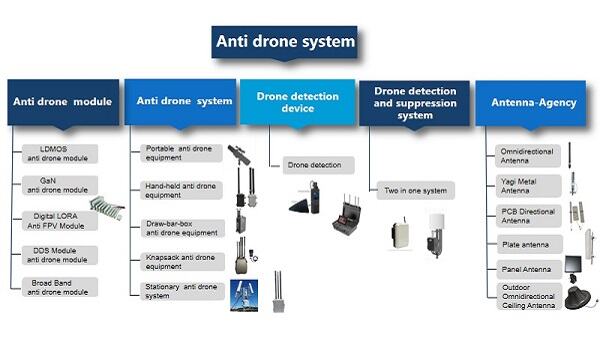
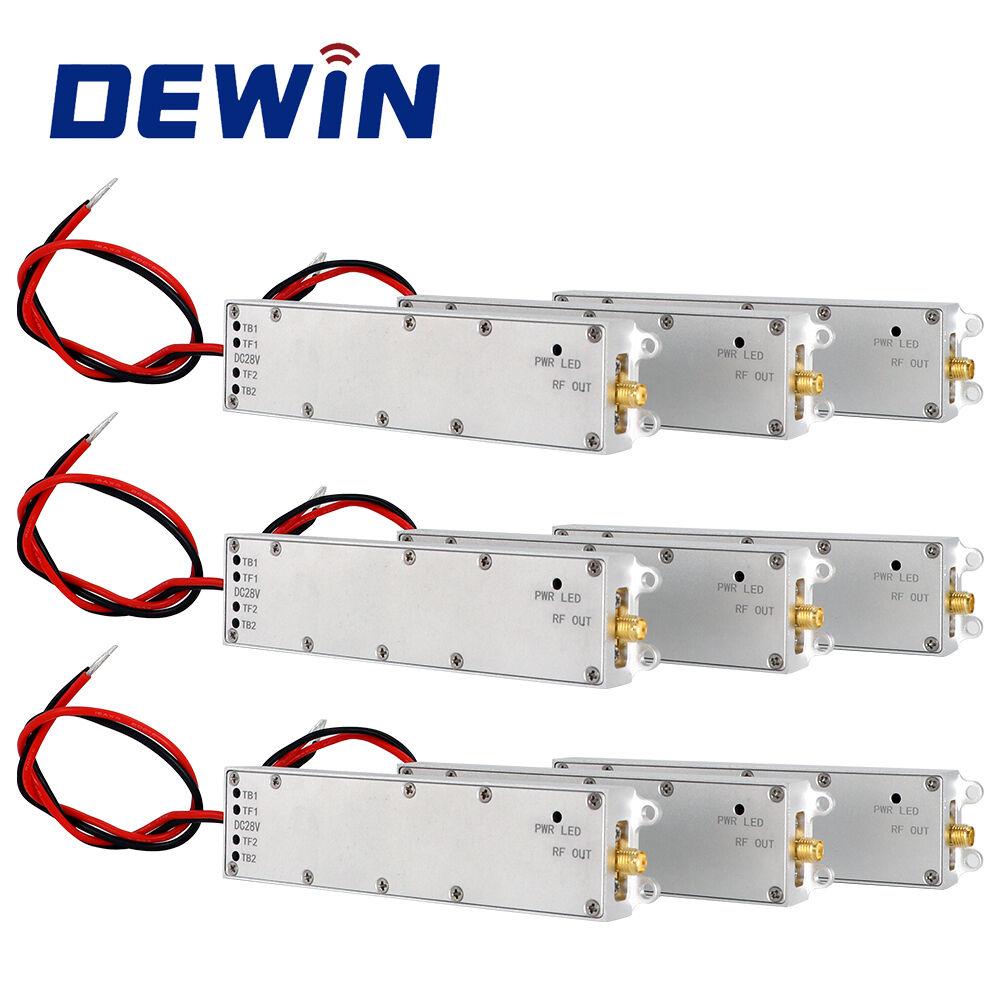
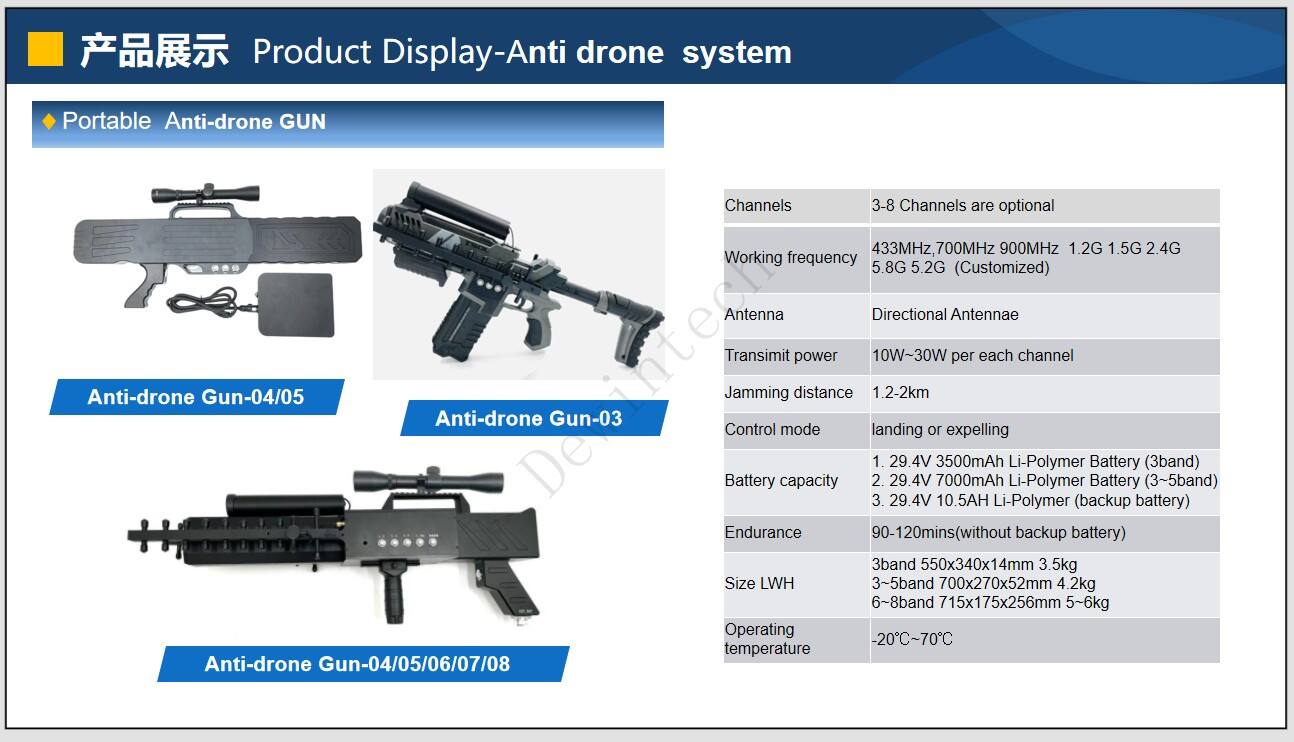
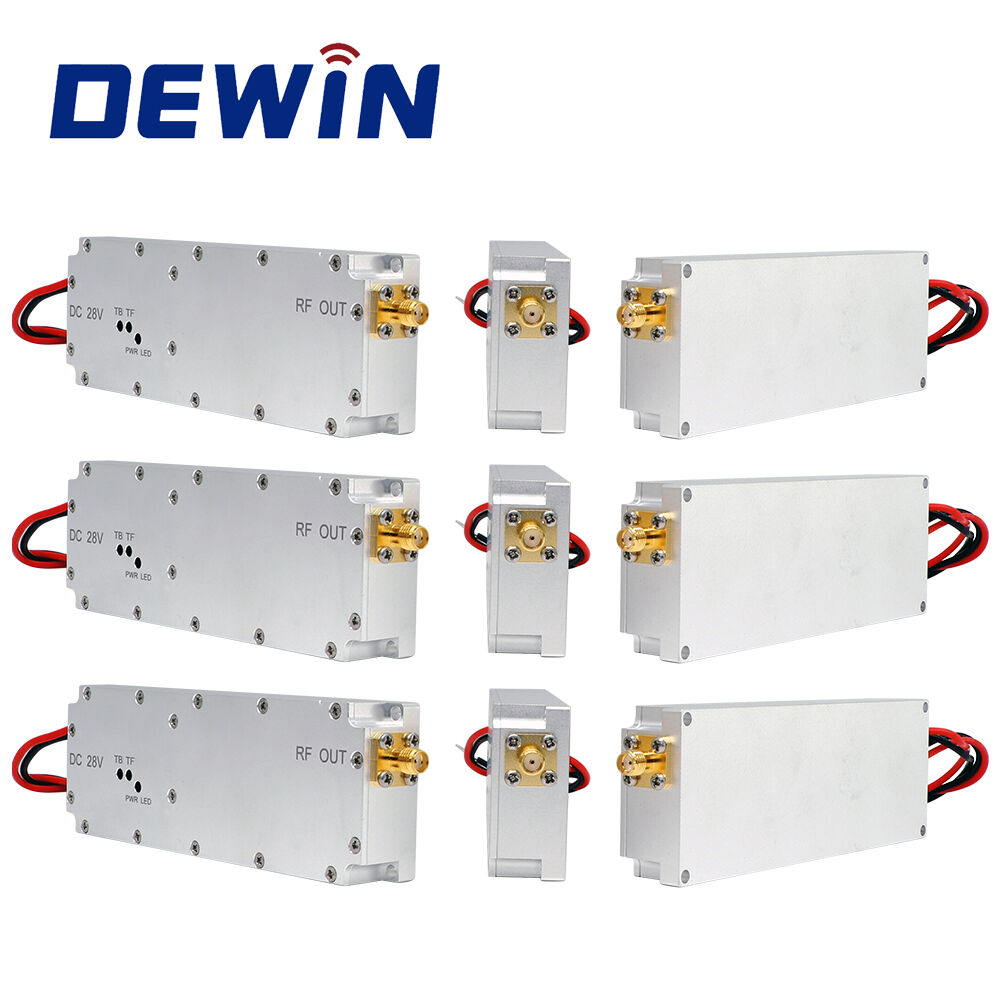
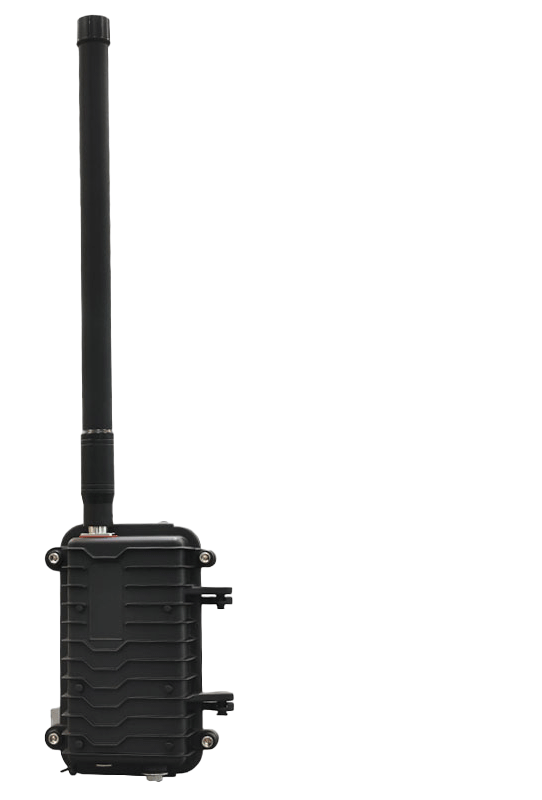
"We are a high-tech enterprise specializing in RF communication, with over 7 years of industry experience and a professional R&D team. Our core technologies cover cutting-edge solutions such as LDMOS, GaN, and LORA. All products undergo a 2-hour aging test and 100% outgoing quality inspection, with a frequency range of 100-6000MHz, power levels from 10W to 200W, and adaptability to harsh environments of -40℃~+85℃. We accept small orders, offer quick delivery of in-stock products, and provide stable and reliable anti-drone, signal shielding, and RF module solutions for security, industrial, energy, and other sectors, supporting personalized customization.
We look forward to establishing long-term win-win cooperation with you! For product details, customized solutions, or quotes, please consult through our official website or contact us directly. We will provide you with professional and efficient services."
 EN
EN