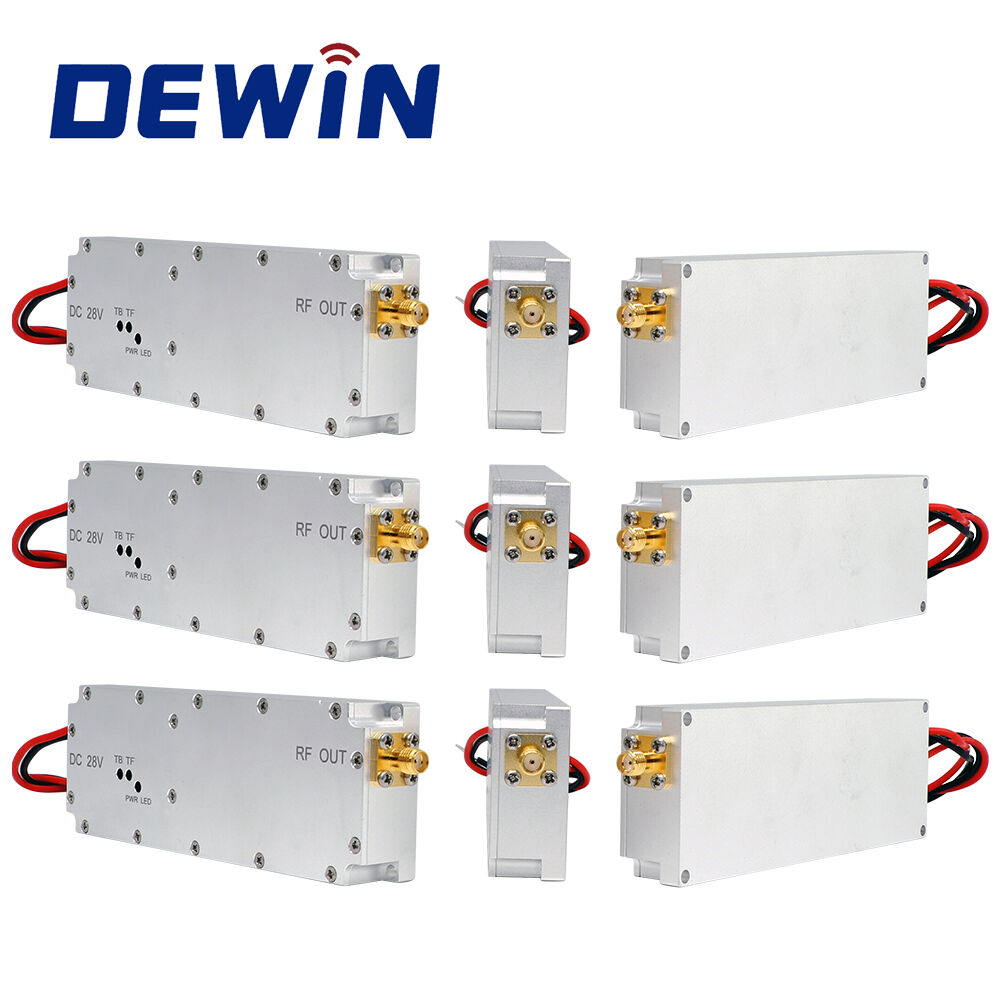
Why LoRa Anti-Drone Modules Are a Strategic Fit for Legacy Security InfrastructureThe Growing UAV Threat Landscape and Gaps in Traditional DetectionThe number of unauthorized drone sightings around airports, correctional facilities, and other vital i...
VIEW MORE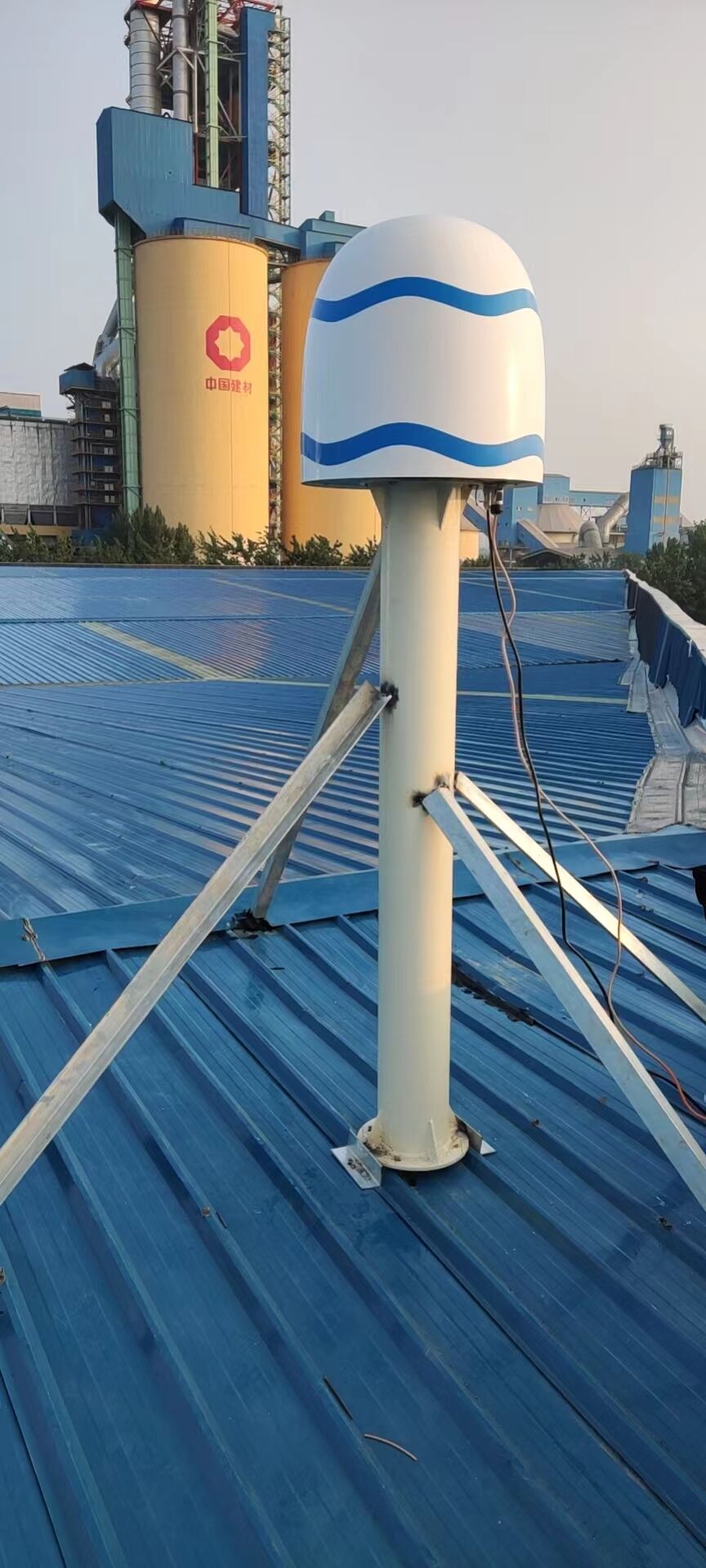
Electromagnetic Challenges for UAV Detection in Mines Ground Clutter, Multipath Distortion, and Thermal Inversion Effects Mine sites generate uniquely hostile electromagnetic environments for UAV detection. Three interrelated phenomena—ground clutter...
VIEW MORE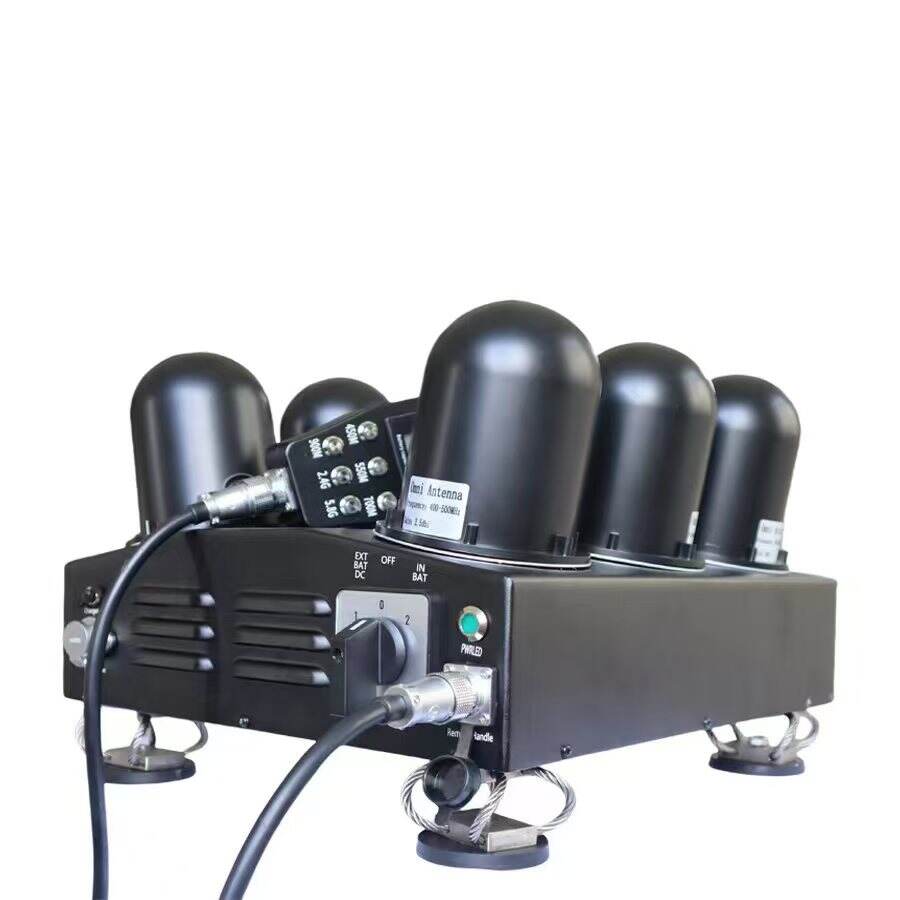
Centralized Cloud Command and Control for Multi-Site Anti-Drone Systems How cloud-native C2 platforms unify threat detection across airports, prisons, and critical infrastructure Cloud native command and control systems break down those pesky data s...
VIEW MORE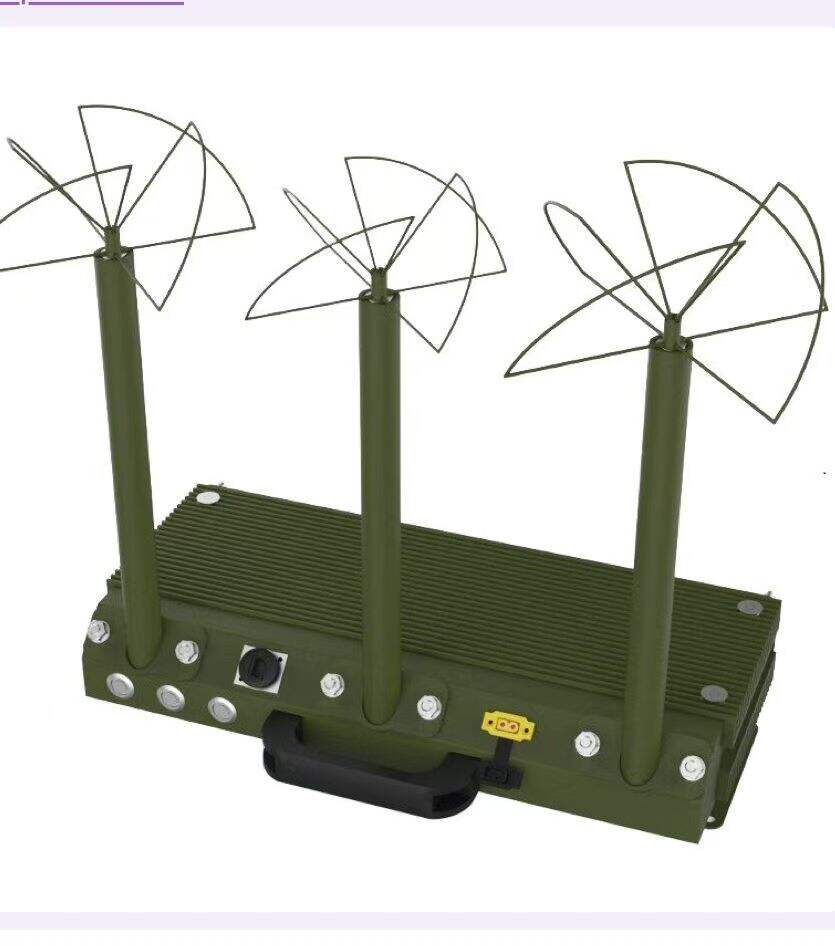
Why Anti-FPV Antennas Focus on 2.4 GHz and 5.8 GHz Bands FPV Drone Transmission Standards: Regulatory and Technical Reasons for 2.4 GHz and 5.8 GHz Dominance Most FPV drones rely on either the 2.4 GHz or 5.8 GHz unlicensed frequency bands. These are...
VIEW MORE
How Drone Jammers Block GPS, GSM, and WiFi Signals RF Overpowering: Real-Time Signal Denial Through Broadband Noise Injection Drone jamming devices work by sending out powerful radio frequency noise that blocks important communication channels for u...
VIEW MORE
Why FPV UAVs Challenge Conventional Drone DetectorsMost standard drone detection systems have trouble spotting First Person View (FPV) UAVs because they operate so differently than other aircraft. These little machines zip around just above the groun...
VIEW MORE
Why Portability Is Critical for Effective Drone Detection in Mobile Security OperationsThe growing UAV threat in dynamic patrol environments Unmanned aerial vehicles are becoming a bigger problem for security patrols every day. The Department of Defe...
VIEW MORE
Technical Feasibility of 200W Anti-Drone Module CustomizationRF Output Limits, Component Scaling, and Miniaturization Trade-offsWhen trying to scale anti-drone modules up to 200W, we hit some basic limits in radio frequency physics. The jump in power...
VIEW MORE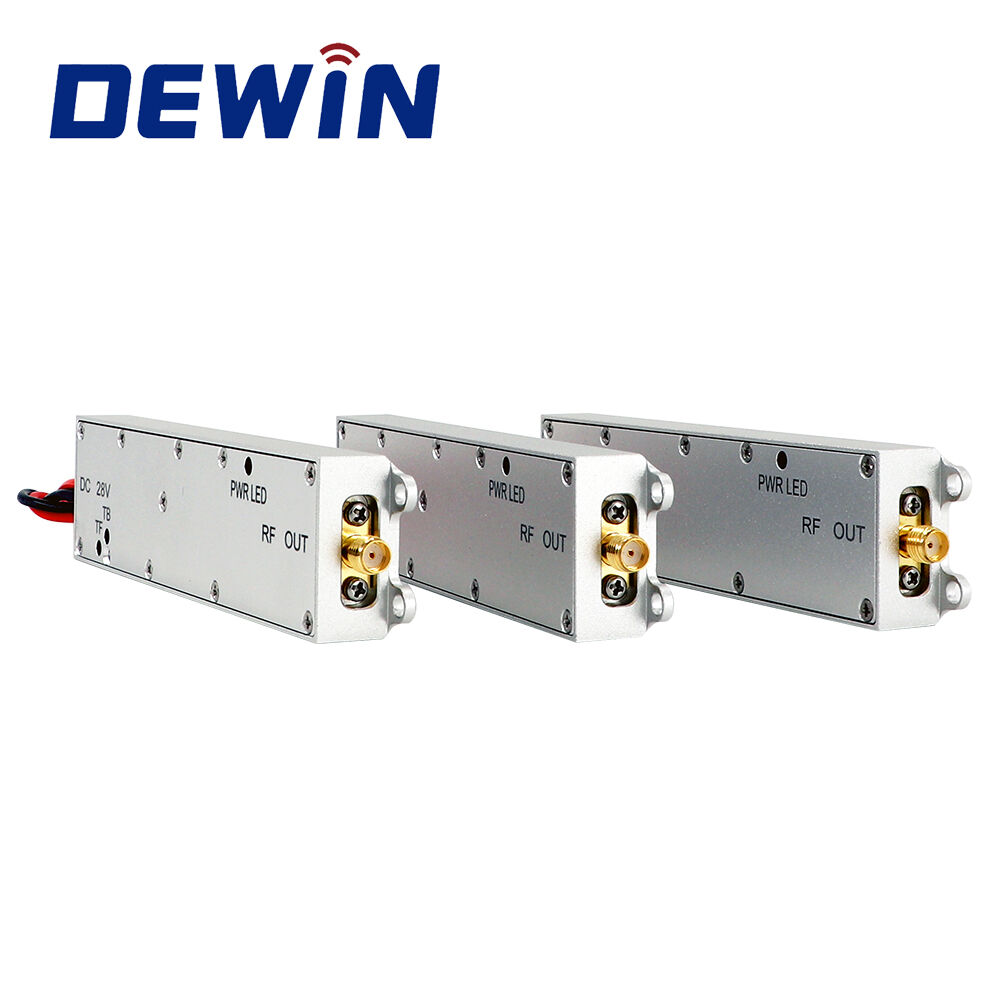
Understanding Digital VCO Capabilities and the 100–6000 MHz ChallengeDigital VCOs, those Voltage-Controlled Oscillators we all rely on for frequency synthesis in wireless systems, face serious challenges when trying to support operation from 10...
VIEW MORE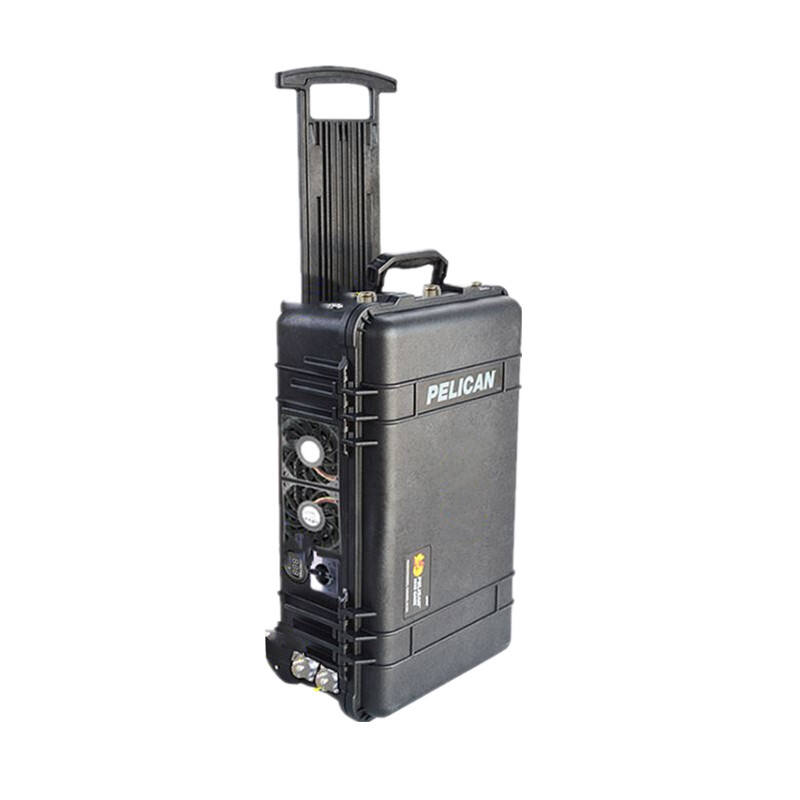
The Communication Integrity Challenge in Prison Anti-Drone Defense Why Prisons Rely Heavily on Licensed RF Spectrum for Critical Operations Communication breakdowns can spell disaster in correctional facilities, which is why reliable transmissions m...
VIEW MORE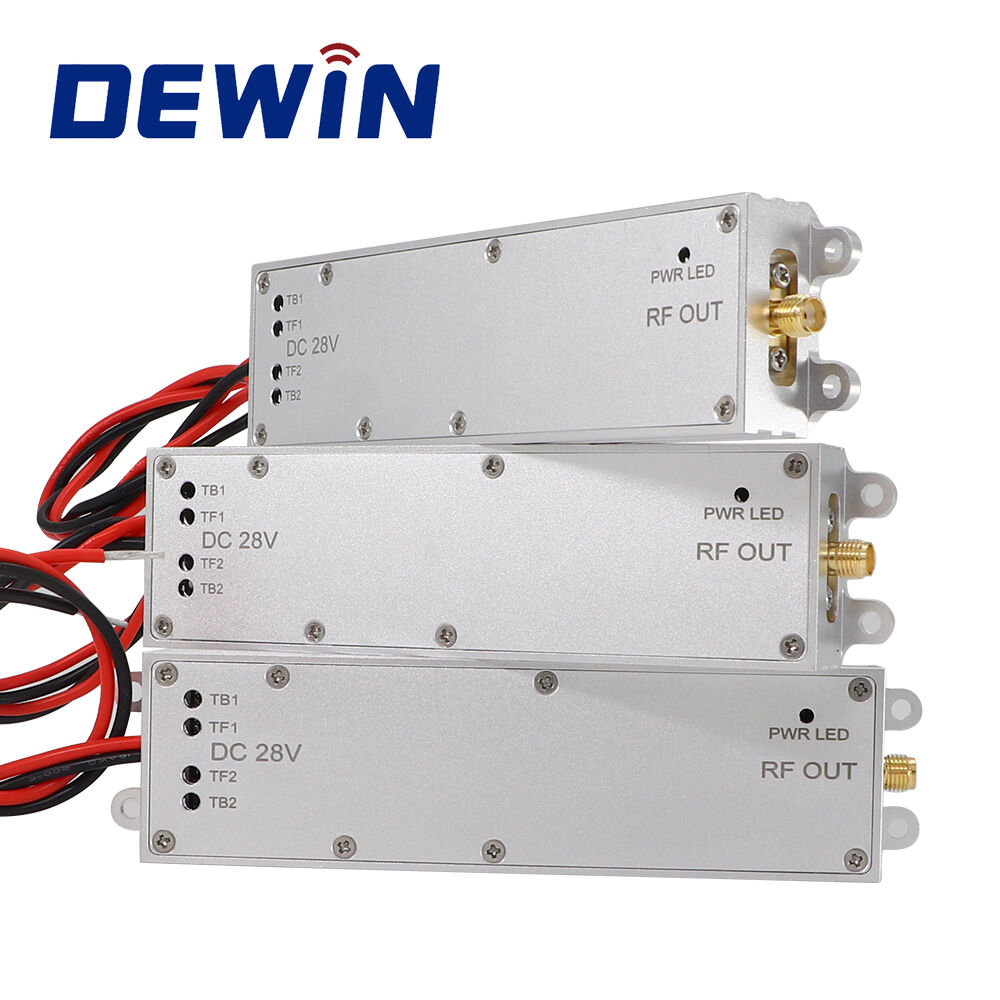
Core RF Principles Behind LoRa Anti-Drone Module Interference Range Chirp Spread Spectrum for Long-Range, Low-Power Signal Discrimination The LoRa anti-drone modules rely on something called Chirp Spread Spectrum (CSS) modulation to get that extra r...
VIEW MORE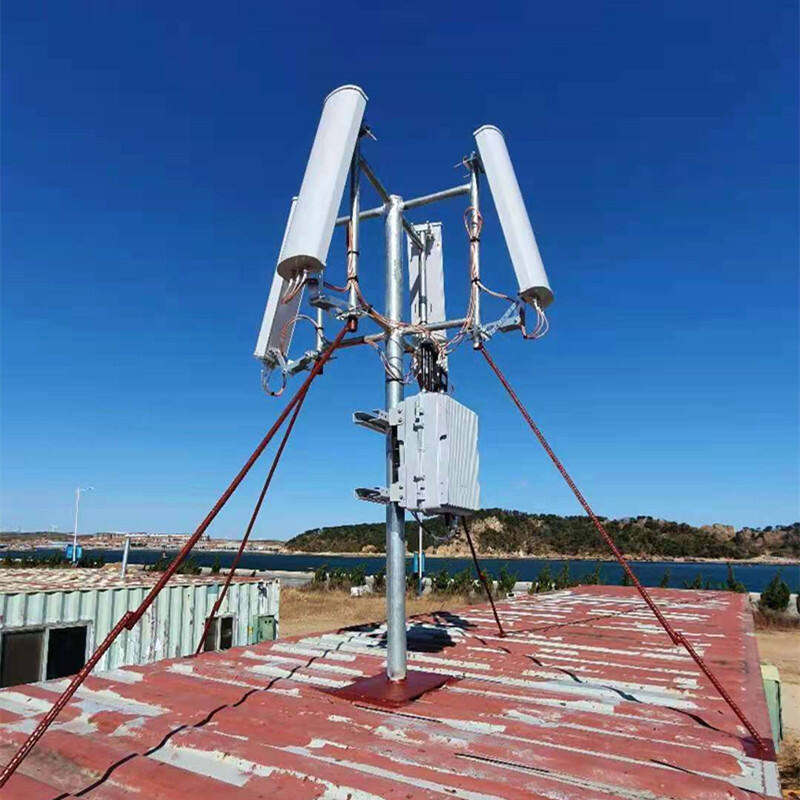
Why Analog FPV Video Is Inherently Vulnerable to Anti-FPV Jamming Open-loop, unencrypted transmission with no error correction or retransmission Analog FPV systems send video through an open loop system that isn't encrypted at all. They miss out on ...
VIEW MORE
Zhuhai Dewin Communication Technology provides RF microwave power amplifiers, signal boosters, and UAV jammers. Our advanced LDMOS, GaN, and LoRa technologies deliver reliable wireless communication solutions for security, industrial, and defense sectors across 100-6000MHz frequencies and -40°C to +85°C environments.
Block A,3th floor, Building D,KDL Medical Industry Park,Sanzao Town,Jinwan District, Zhuhai City, GuangDong,China
+86-13824366559
Copyright © 2025 by Zhuhai Dewin Communication Technology Co.,Ltd Privacy Policy
 EN
EN